CAUSES, TURNING POINTS & HUMAN CONSEQUENCES
America at War
Explore America's wars with foreign powers and armed groups: why they began, how they unfolded, and what they changed at home and abroad.
START HERE
A way into the subject.
Follow each conflict from the decision to fight through its turning points and aftermath. Read the American Civil War in its separate collection.
STORIES IN THIS TOPIC
Read the archive.
Oct 3, 2026
The Harlem Hellfighters and the Fight for Recognition
The Harlem Hellfighters spent more time on the World War I front lines than any other American regiment. Their return home brought a Fifth Avenue celebration, then the hard realities of Jim Crow and a long campaign for recognition.
Start with this story →Oct 2, 2026
The Mexican-American War and the Redrawing of the Map
The 1848 Treaty of Guadalupe Hidalgo gave the United States an immense western domain. It also set off political fights over slavery, citizenship, land, and power that the country could not contain for long.
Read story →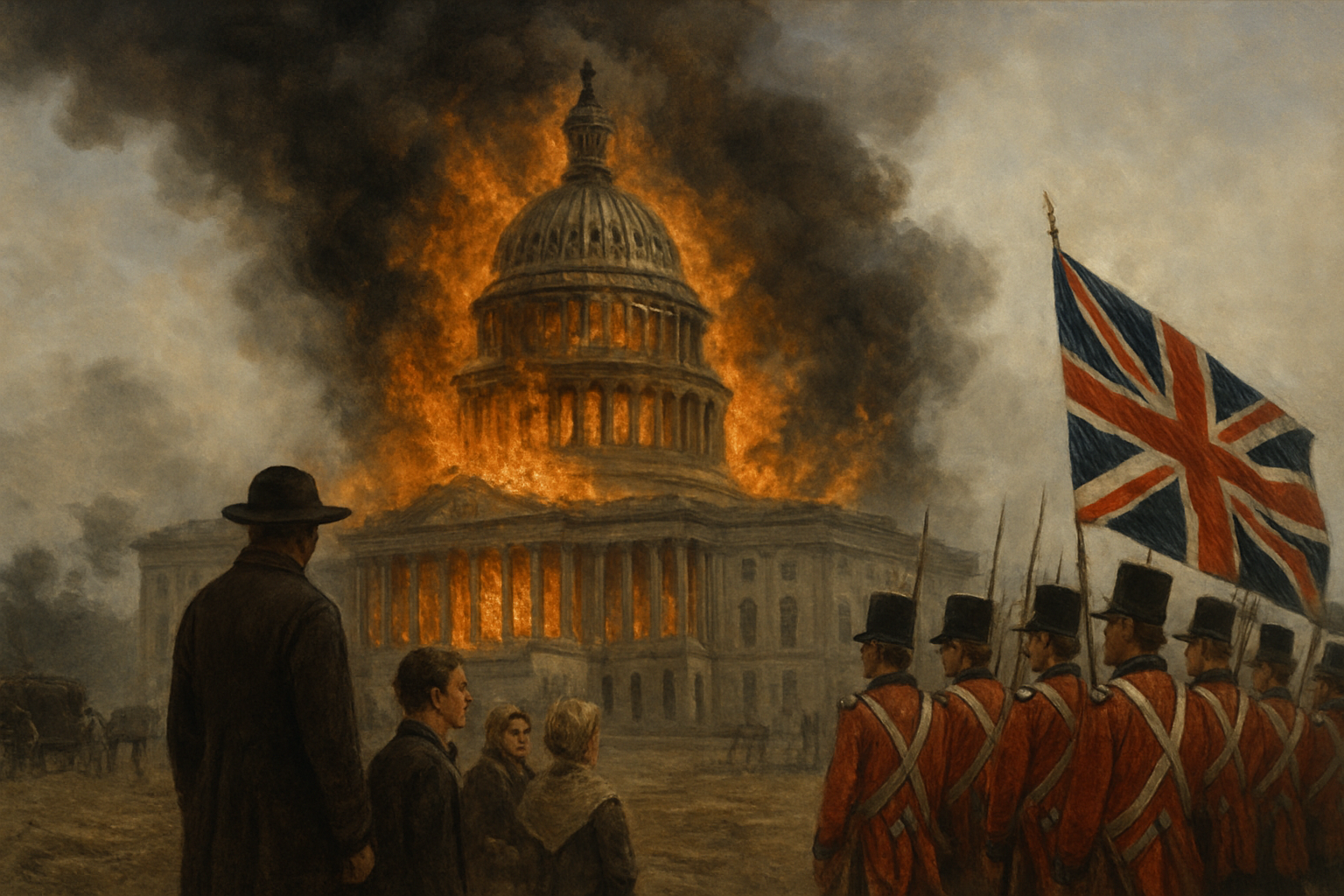
Sep 29, 2026
When British Troops Burned Washington in 1814
When British troops burned Washington in 1814, clerks, household workers, and lawmakers helped preserve the records and institutions that outlasted the attack.
Read story →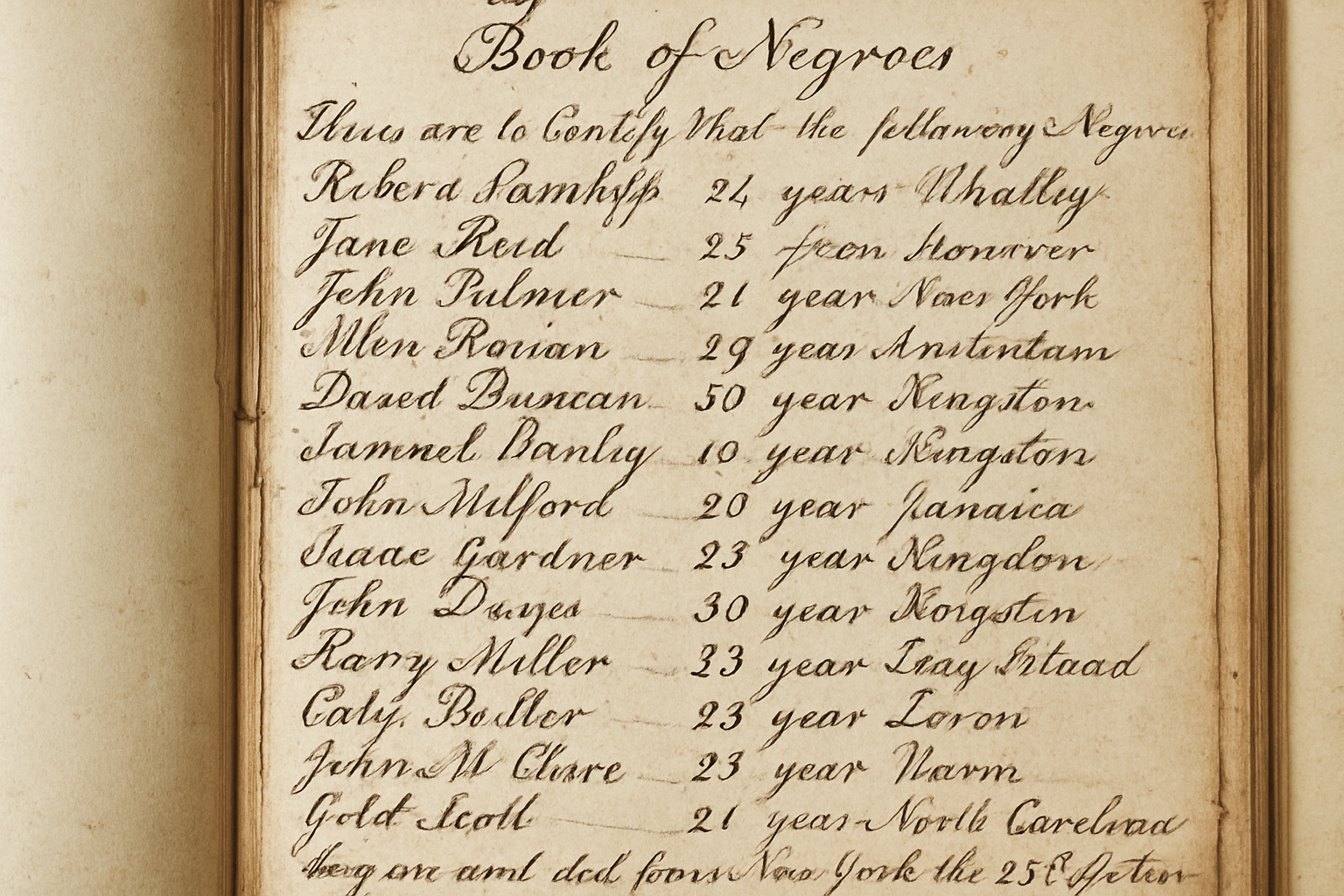
Sep 26, 2026
Black Soldiers and the Fight for American Independence
Black Americans served with the Patriots, sought protection with the British, and pursued freedom amid a war that exposed the Revolution’s deepest contradiction.
Read story →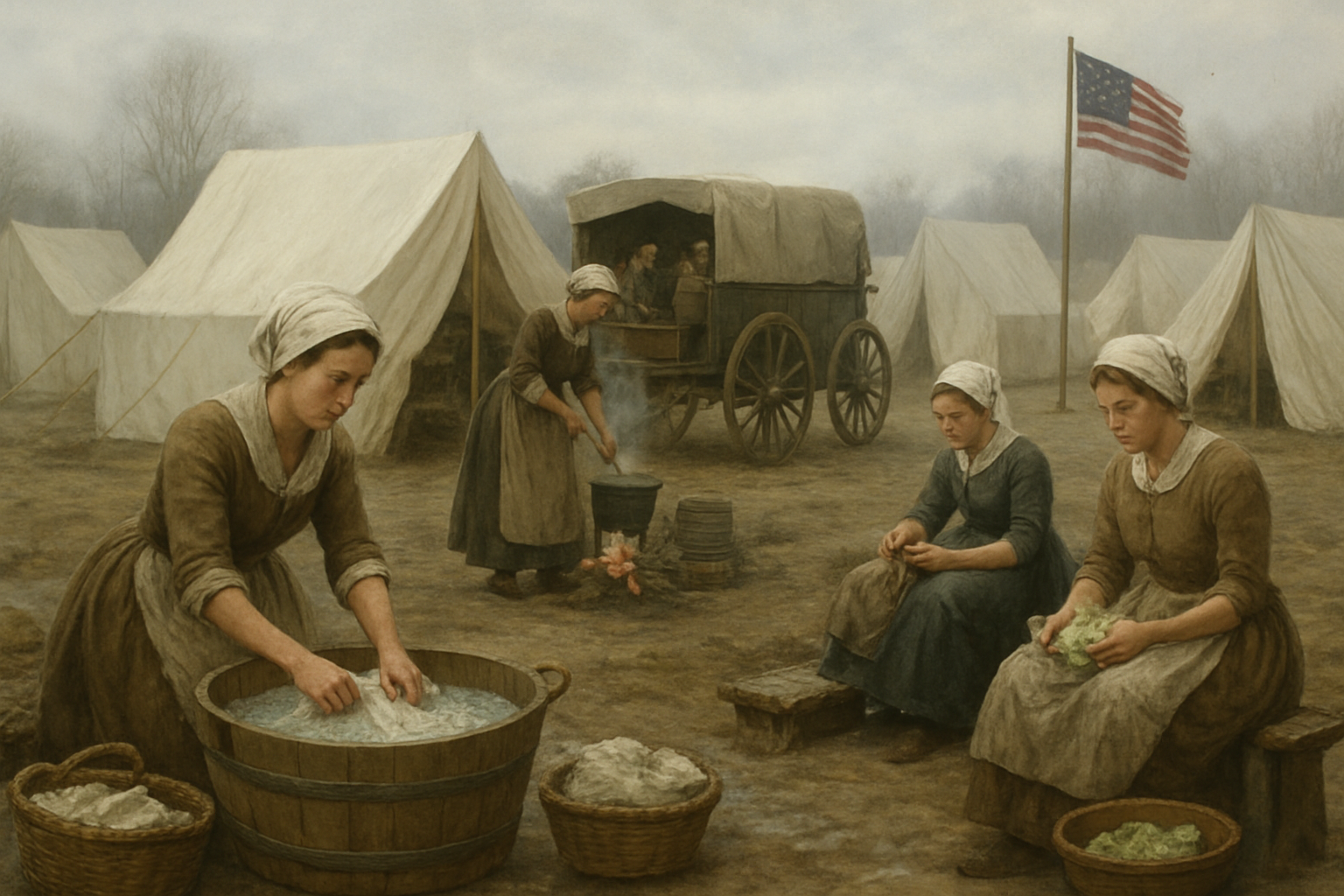
Sep 26, 2026
Women Who Kept the American Revolution Running
The Revolution depended on more than soldiers and generals. Women cooked, washed, nursed, carried supplies, managed homes, and sometimes entered the fight themselves—work that helped make long campaigns possible.
Read story →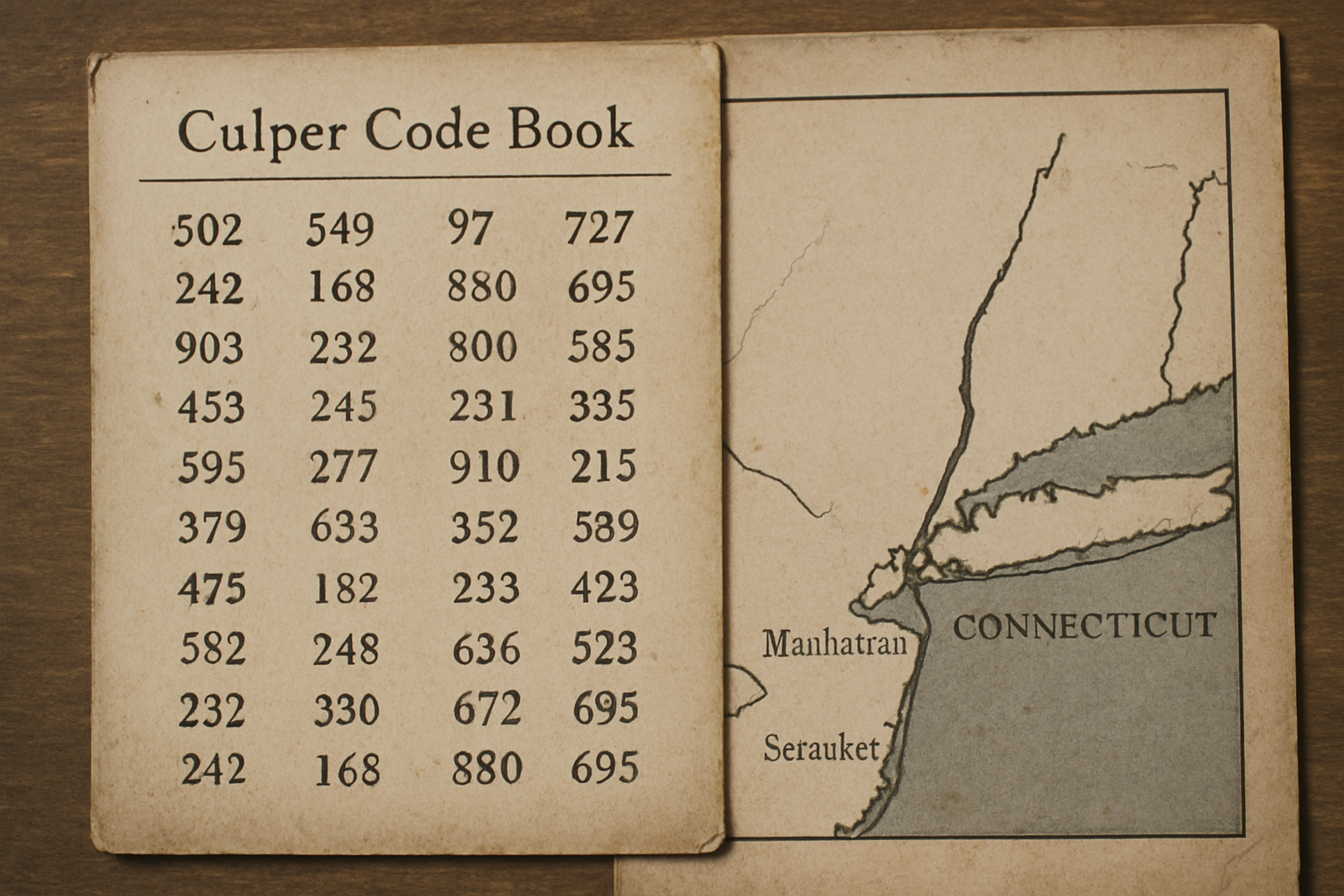
Sep 26, 2026
The Culper Spy Ring: Washington’s Secret Intelligence Network
The Culper Spy Ring moved reports from British-held New York through a civilian relay of riders, boatmen, codes, and concealed writing. Its intelligence helped Washington respond to a British threat against the French force at Newport.
Read story →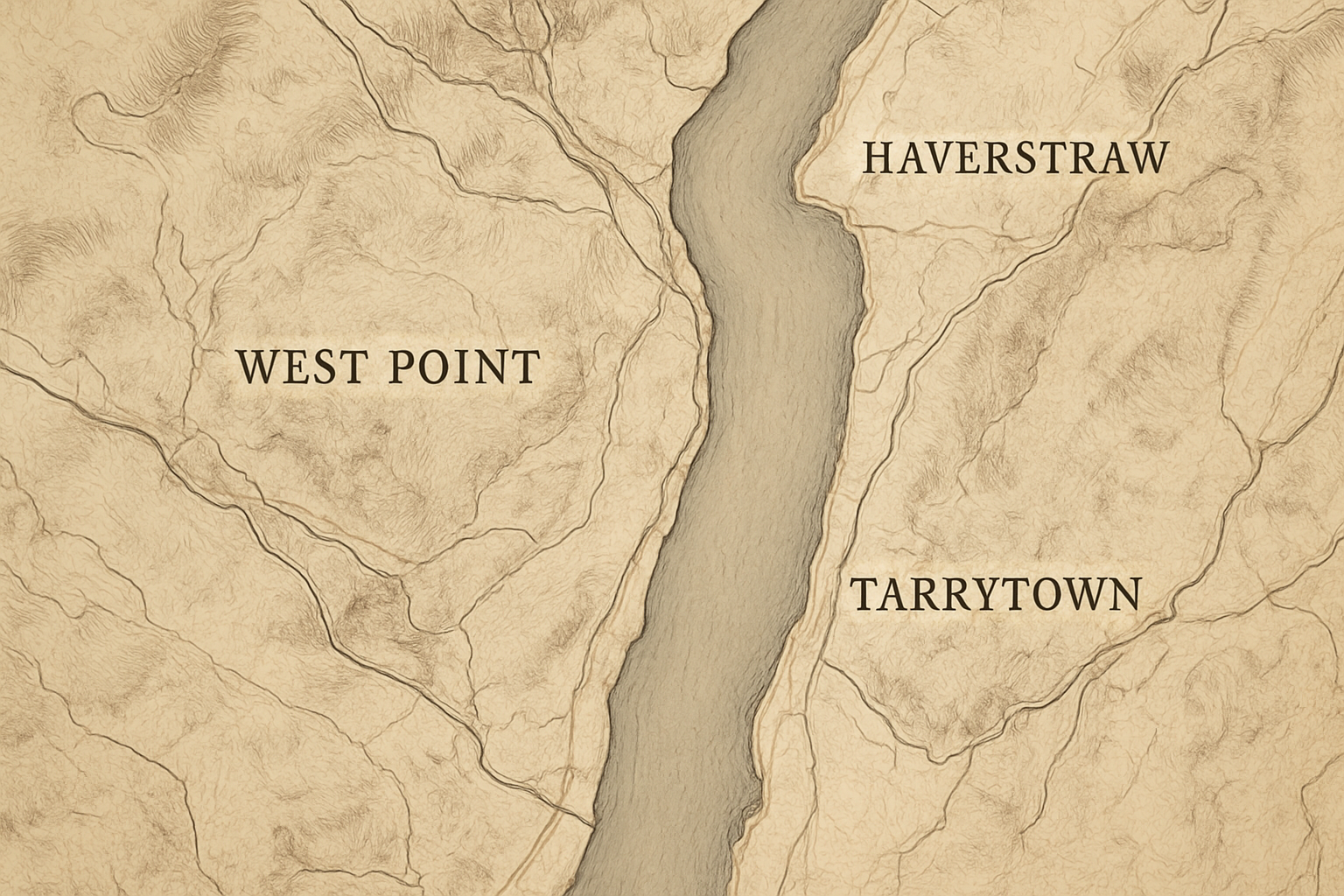
Sep 26, 2026
Benedict Arnold: How a Patriot Became a Traitor
Benedict Arnold was one of the Continental Army’s boldest commanders before he became its most notorious defector. His attempt to surrender West Point exposed how much the Revolution depended on vulnerable places, fragile institutions, and individual choices.
Read story →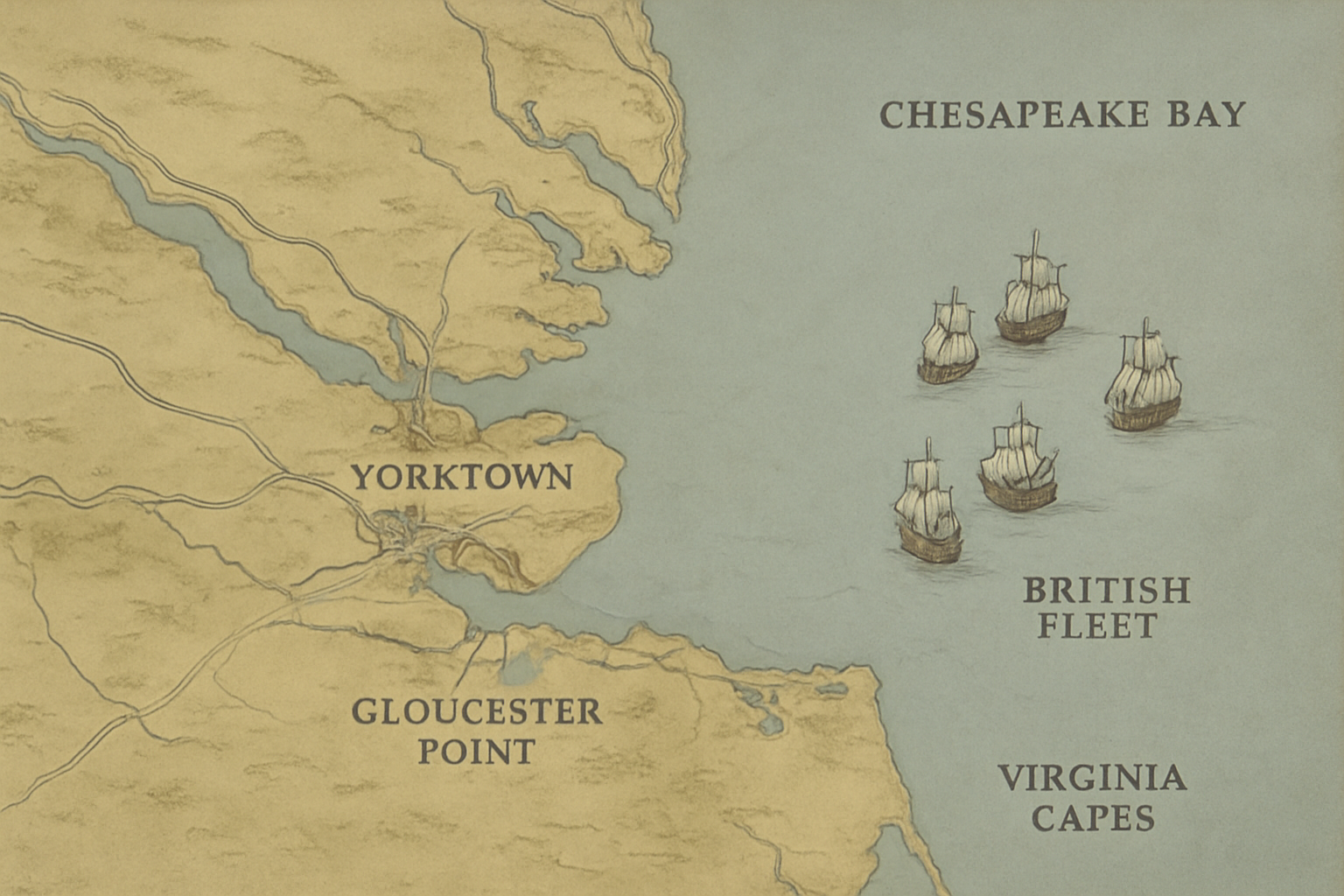
Sep 26, 2026
Yorktown: How a British Army Became Trapped
At Yorktown in 1781, Cornwallis counted on a connection to the Royal Navy. French control of the Chesapeake turned that water route into a dead end.
Read story →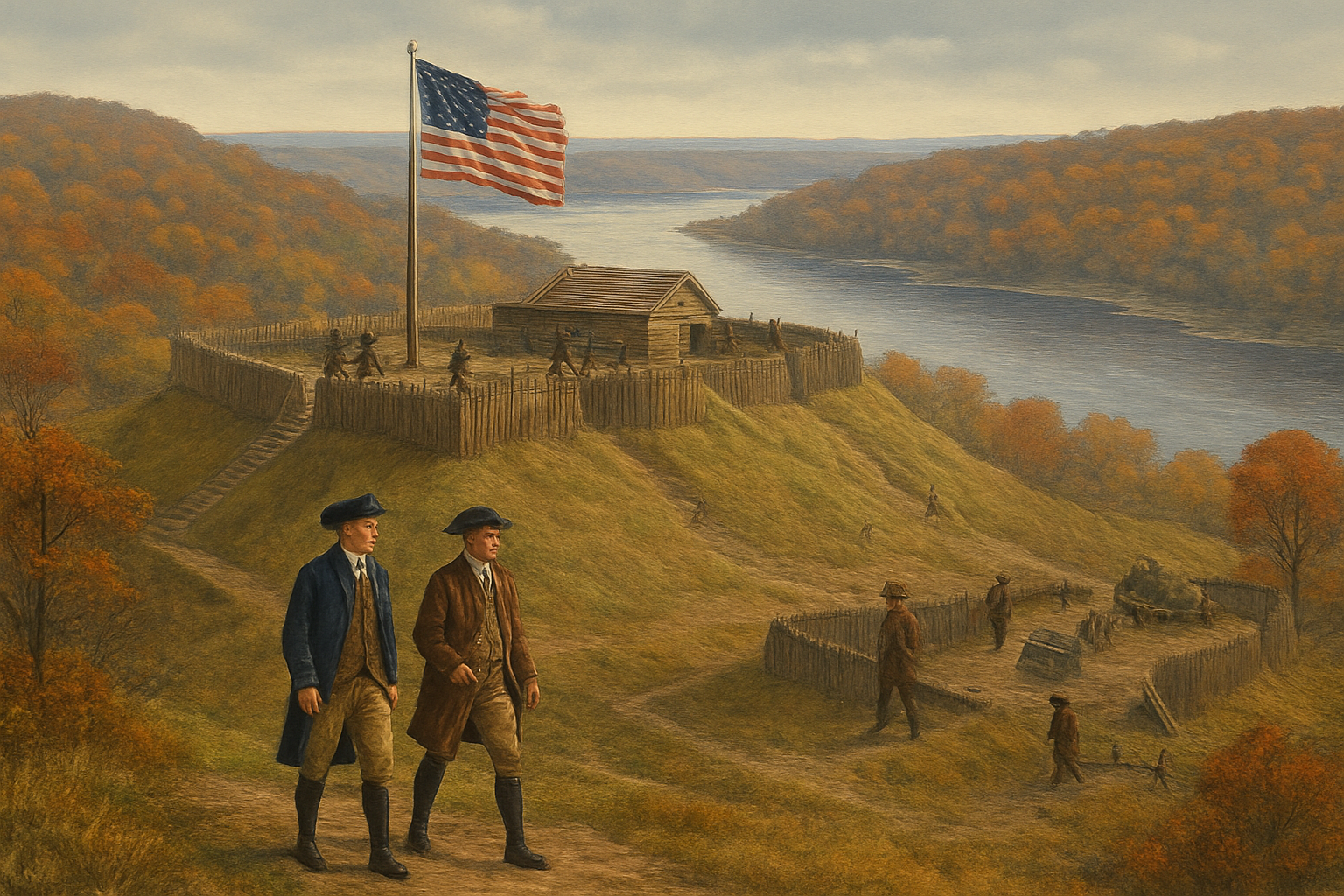
Sep 26, 2026
Saratoga: The Victory That Helped Bring France into the War
Burgoyne’s surrender at Saratoga gave Benjamin Franklin the evidence he needed to secure an open French alliance, widening the Revolutionary War far beyond North America.
Read story →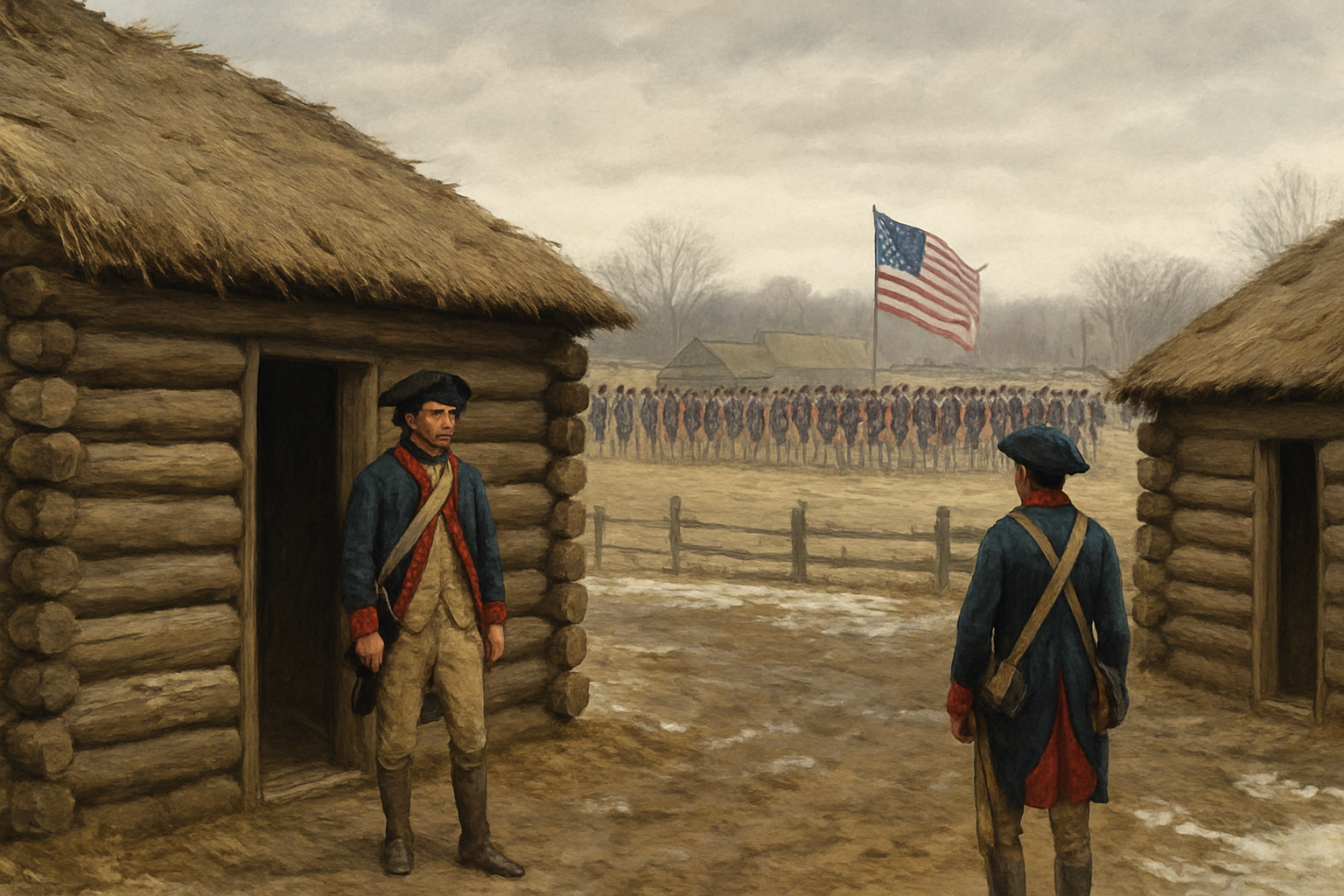
Sep 25, 2026
Valley Forge: How an Army Survived the Winter
Valley Forge was not sustained by suffering alone. As disease and shortages strained the Continental Army, new supply systems and standardized drill helped make it fit to fight again.
Read story →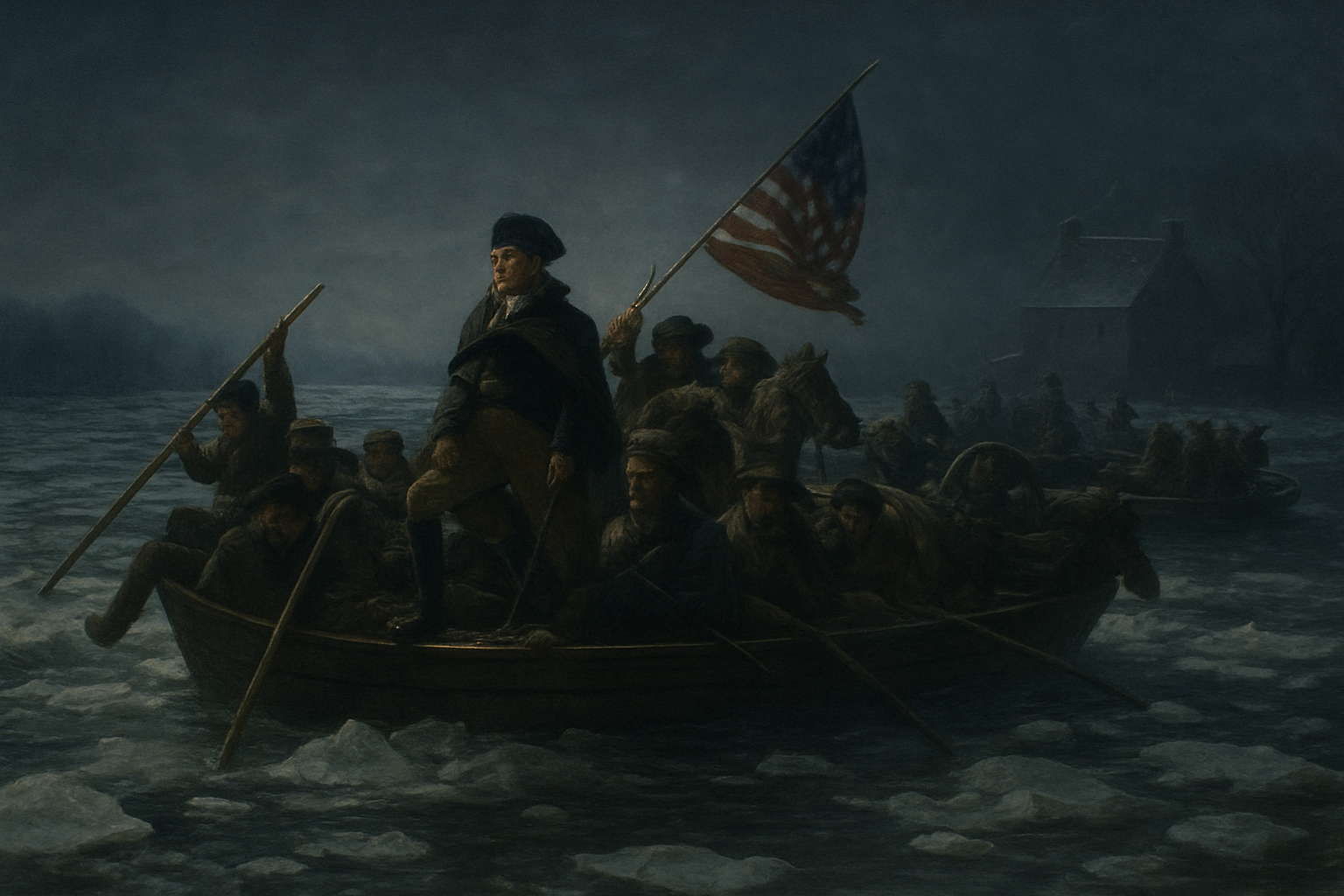
Sep 25, 2026
Washington Crosses the Delaware: A Risky Christmas Offensive
On Christmas night 1776, George Washington led about 2,400 men across the ice-filled Delaware River. The victory at Trenton gave the Continental Army a chance to survive its year-end enlistment crisis.
Read story →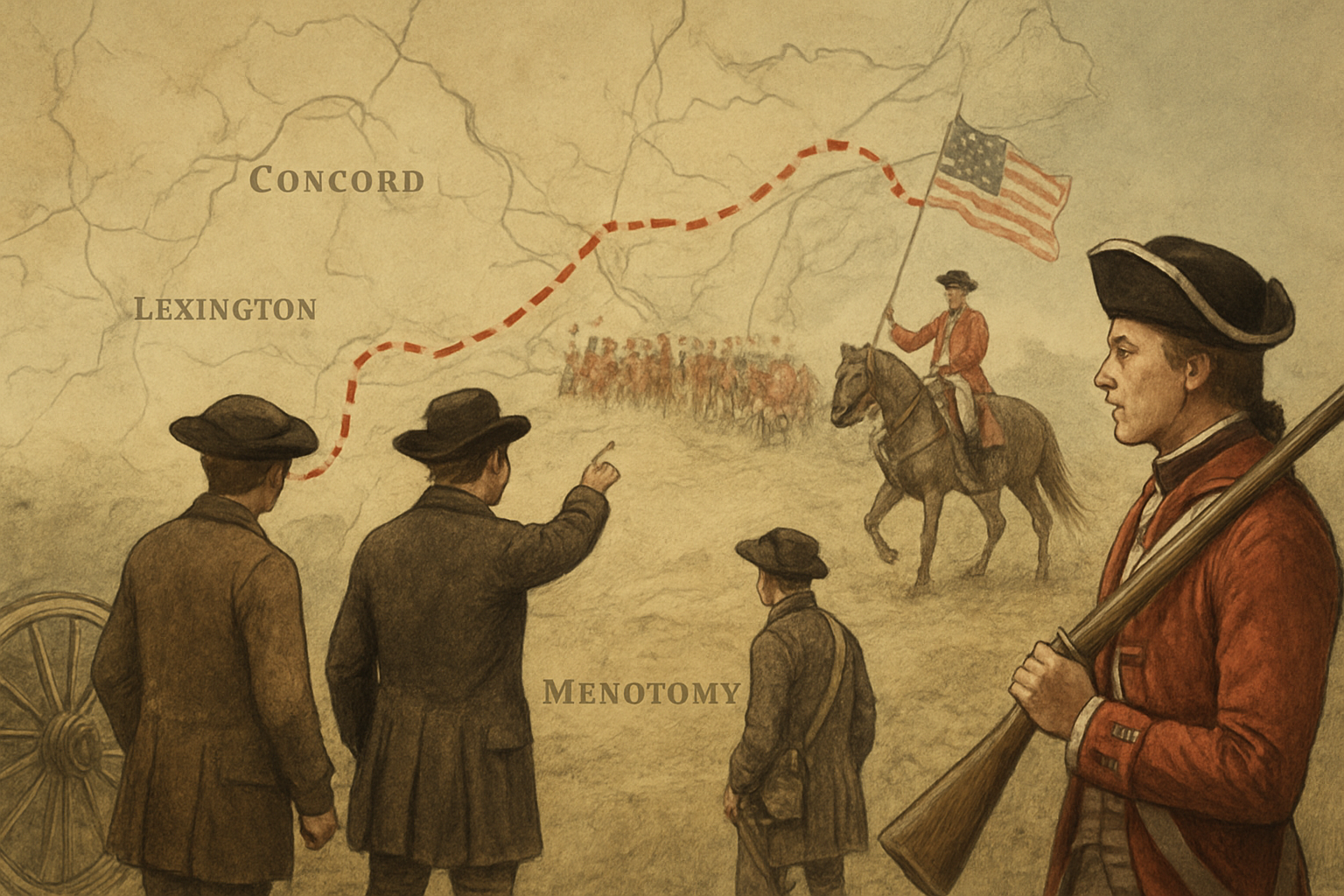
Sep 25, 2026
Lexington and Concord: How the Fighting Began
A British expedition to seize military stores at Concord set Massachusetts’ alarm network in motion. By nightfall on April 19, 1775, the retreat to Boston had become an 18-mile fight and the opening of open war.
Read story →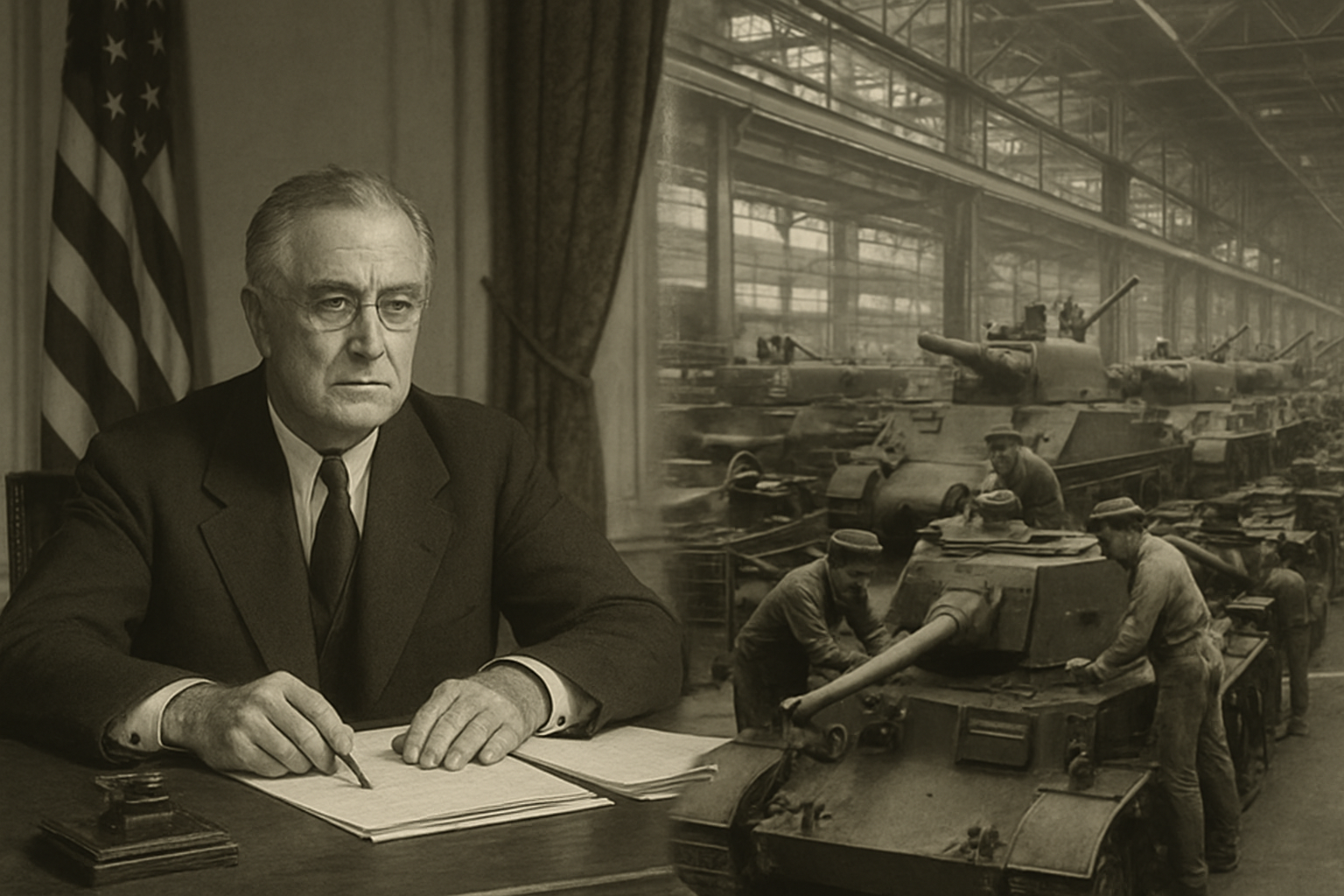
Sep 25, 2026
The Lend-Lease Program: How America Armed the Allies Before Entering World War II
Lend-Lease began as an answer to Britain’s cash crisis and became the system that moved American food, fuel, trucks, and weapons to Allied armies. It also marked a lasting break with the neutrality policies of the 1930s.
Read story →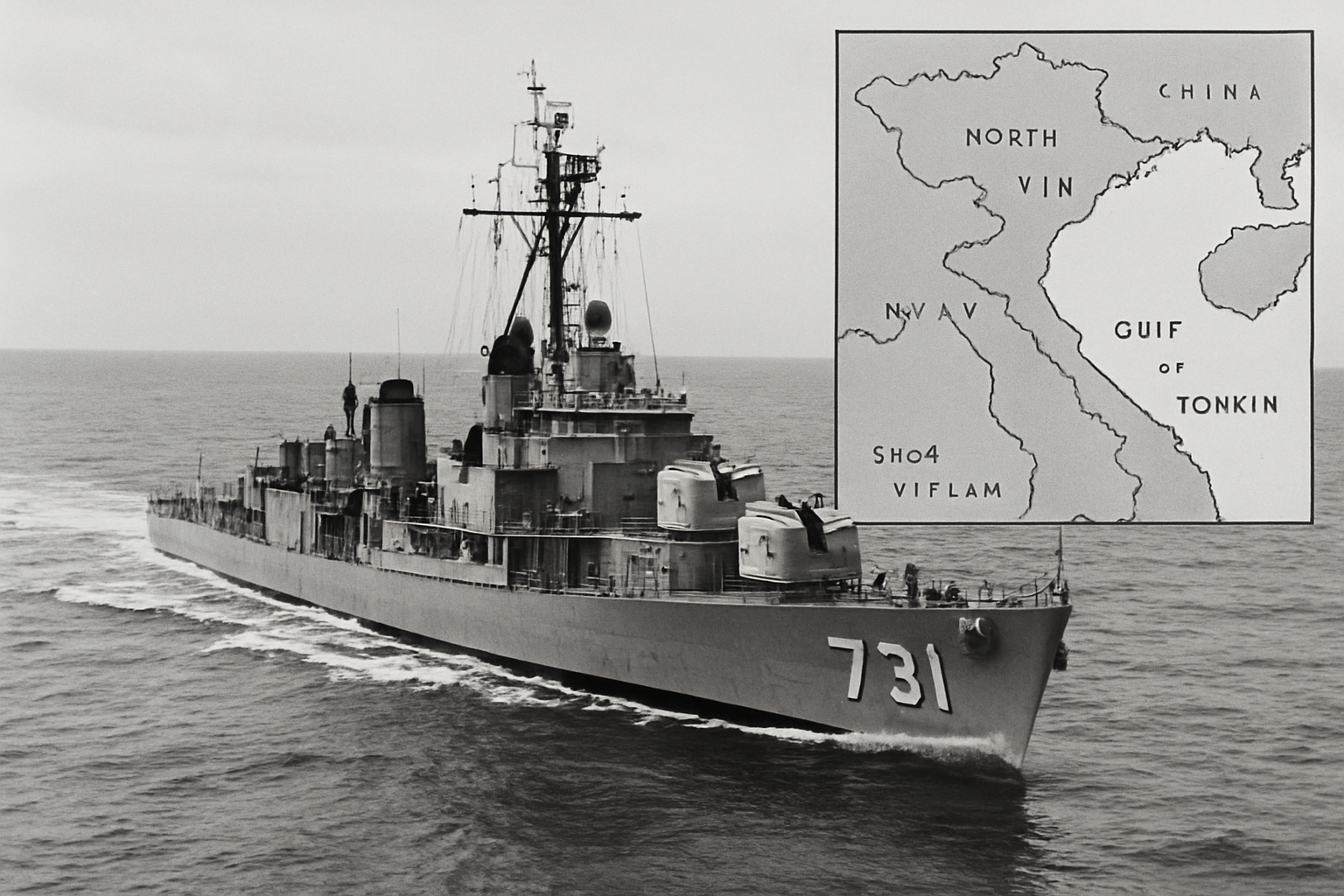
Sep 25, 2026
The Gulf of Tonkin Resolution and the Escalation of Vietnam
A real naval clash on August 2, 1964, was followed by a reported attack that later proved illusory. Congress then passed the Gulf of Tonkin Resolution, giving President Lyndon B. Johnson broad authority to expand U.S. military action in Vietnam.
Read story →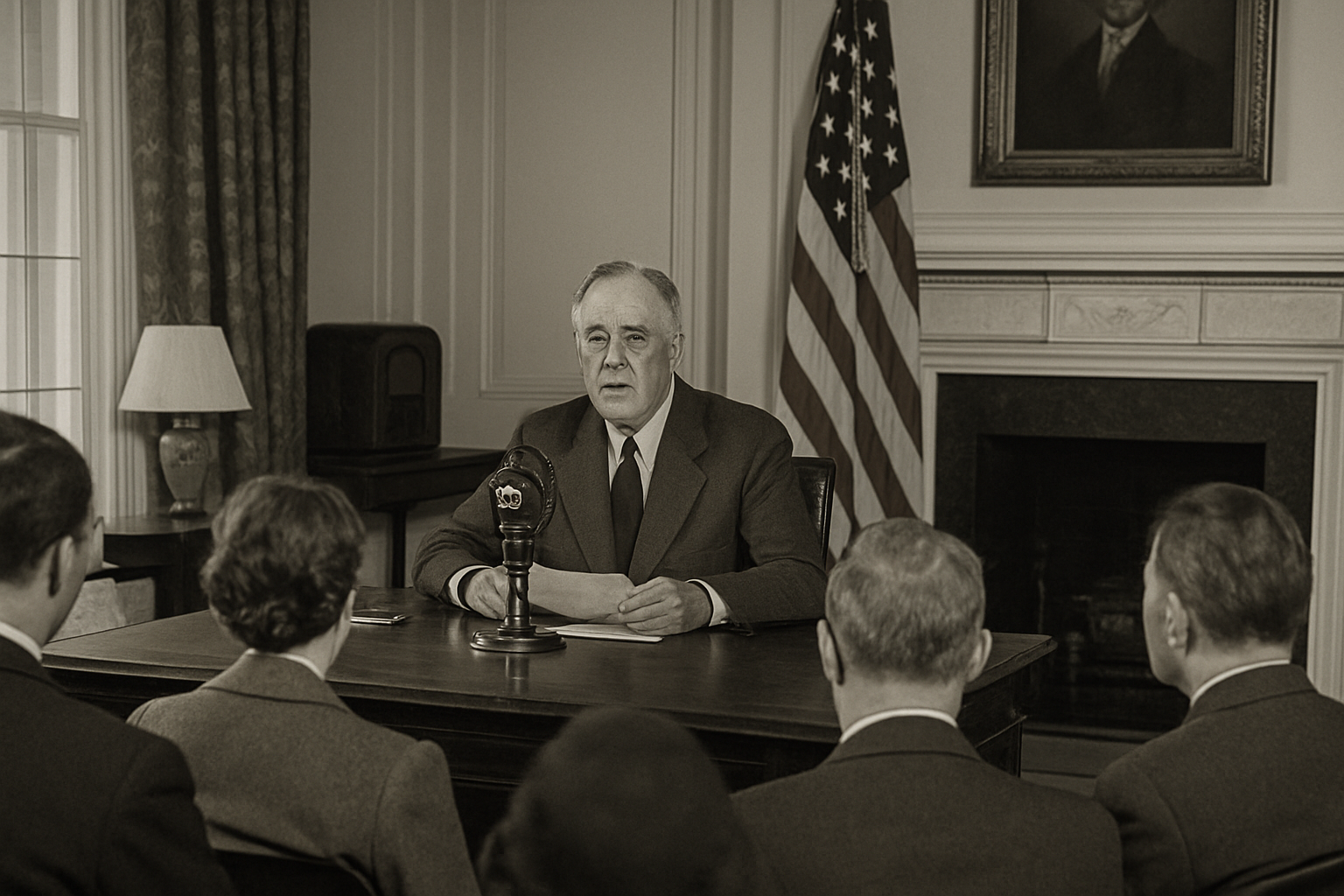
Sep 25, 2026
Franklin D. Roosevelt and America's Road Into World War II
Franklin D. Roosevelt spent six years navigating congressional limits, public resistance, and crises abroad as the United States moved from legal neutrality toward armed preparedness and aid for the Allies.
Read story →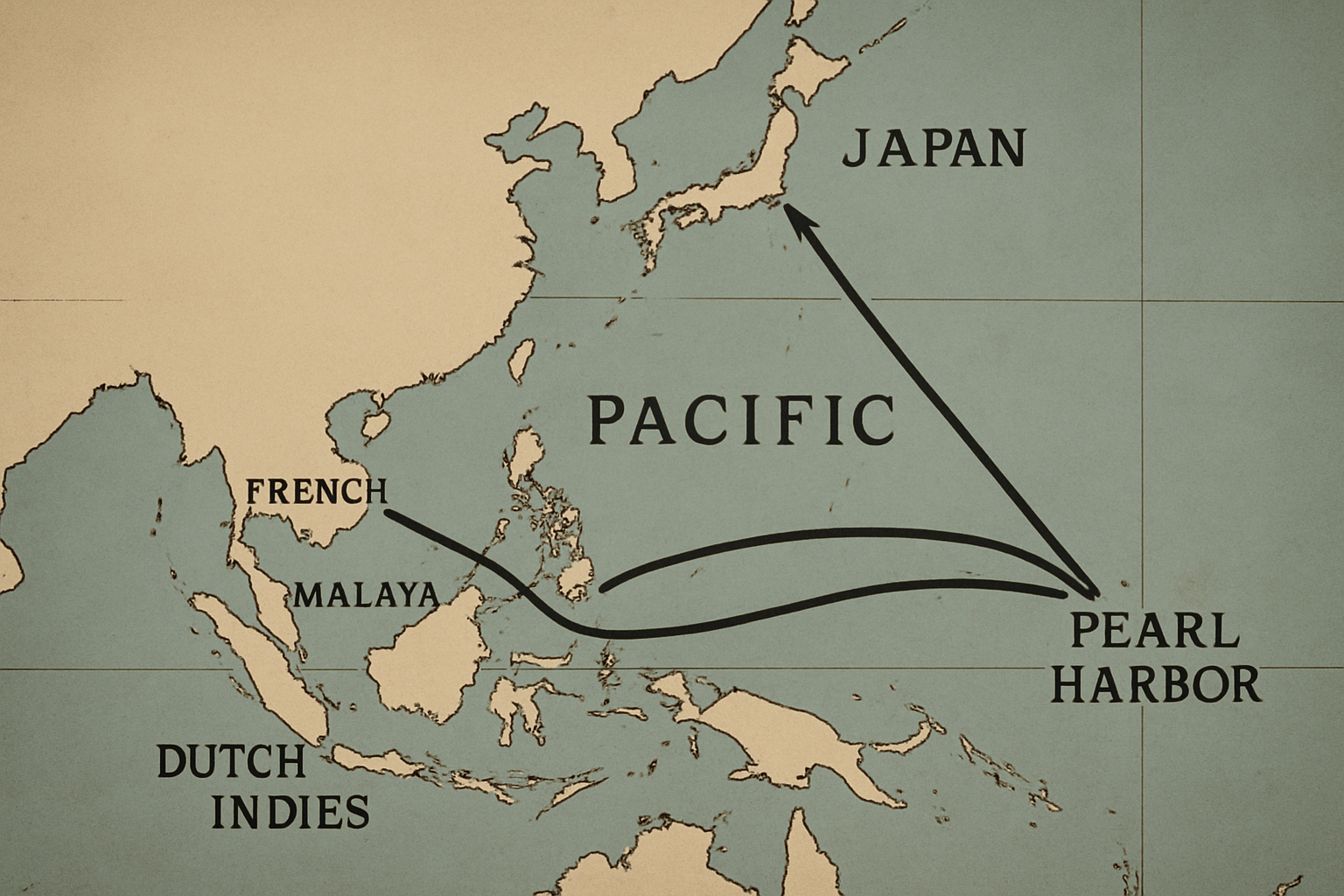
Sep 25, 2026
Why Did Japan Attack Pearl Harbor?
Japan attacked Pearl Harbor to protect a southward drive for oil after U.S. economic pressure threatened its fuel supply. The strike was meant to disable the Pacific Fleet long enough for Japan to seize resources in Southeast Asia.
Read story →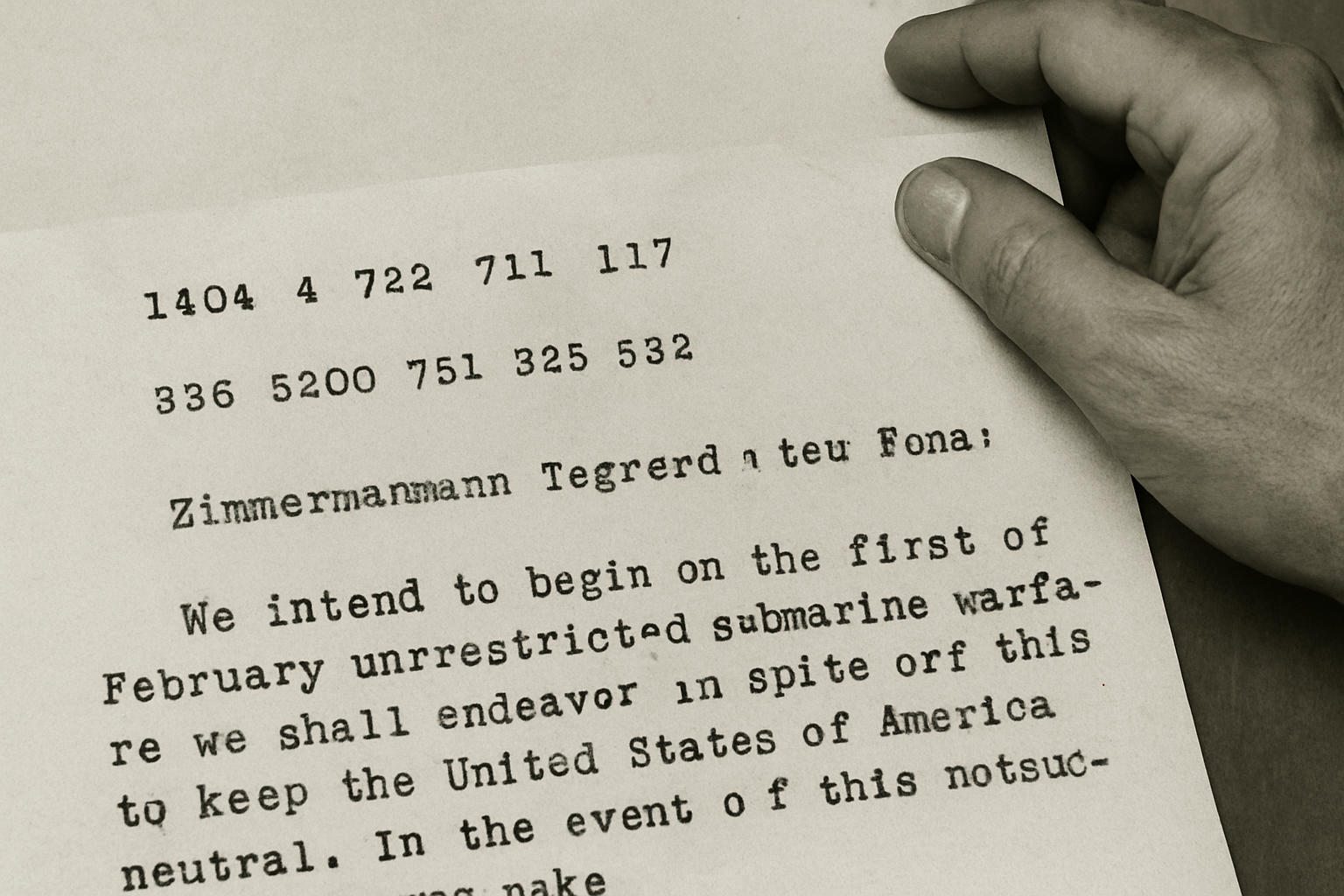
Sep 24, 2026
The Zimmermann Telegram: The Message That Helped Push America Into World War I
Germany’s offer of Texas, New Mexico, and Arizona to Mexico did not create an invasion threat. But when the Zimmermann Telegram became public in 1917, it made a distant war feel uncomfortably close.
Read story →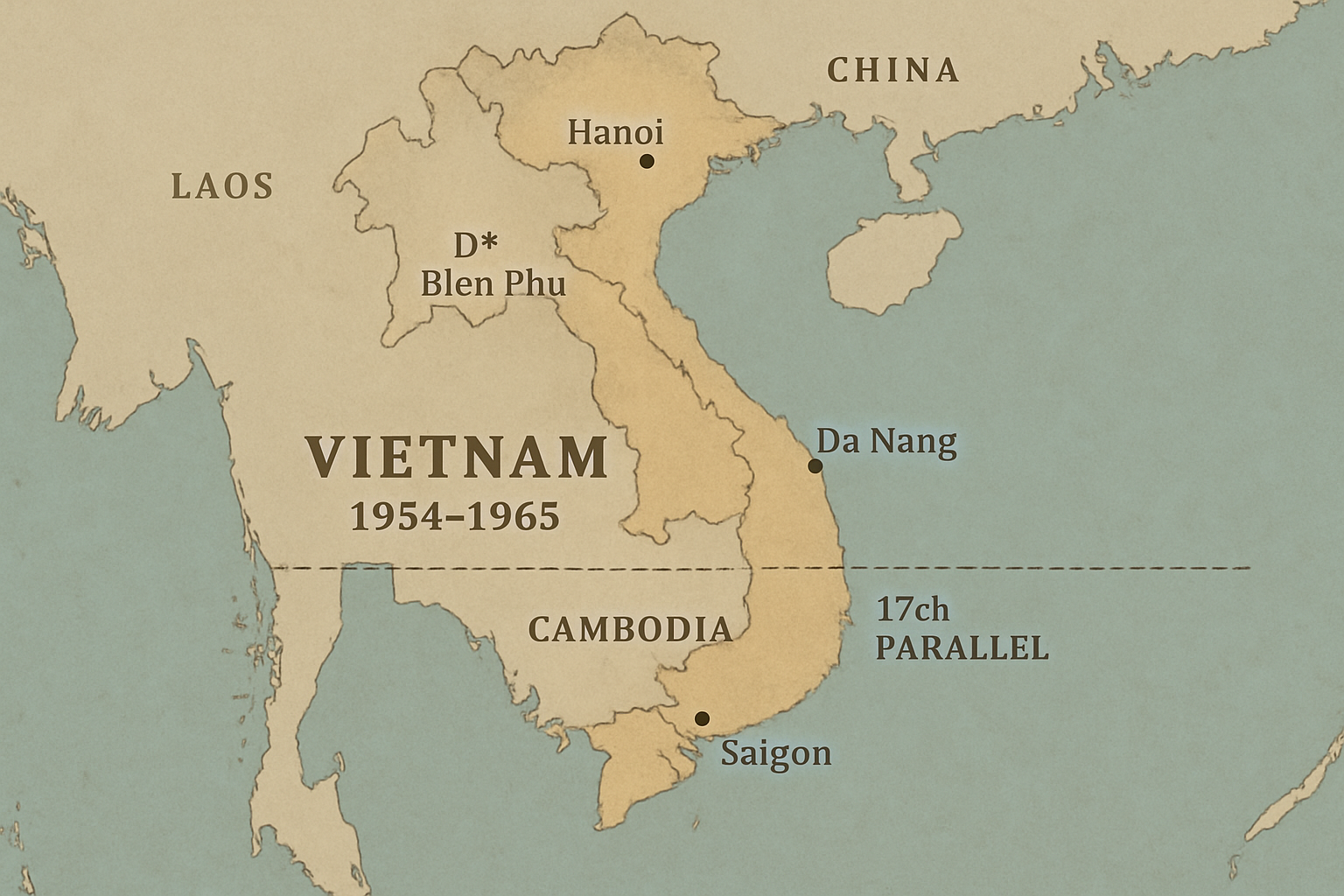
Sep 23, 2026
Why Did the United States Enter the Vietnam War?
The United States did not enter the Vietnam War in a single decision. Across four presidencies, aid, alliances, advisers, and war powers turned a Cold War commitment into direct combat.
Read story →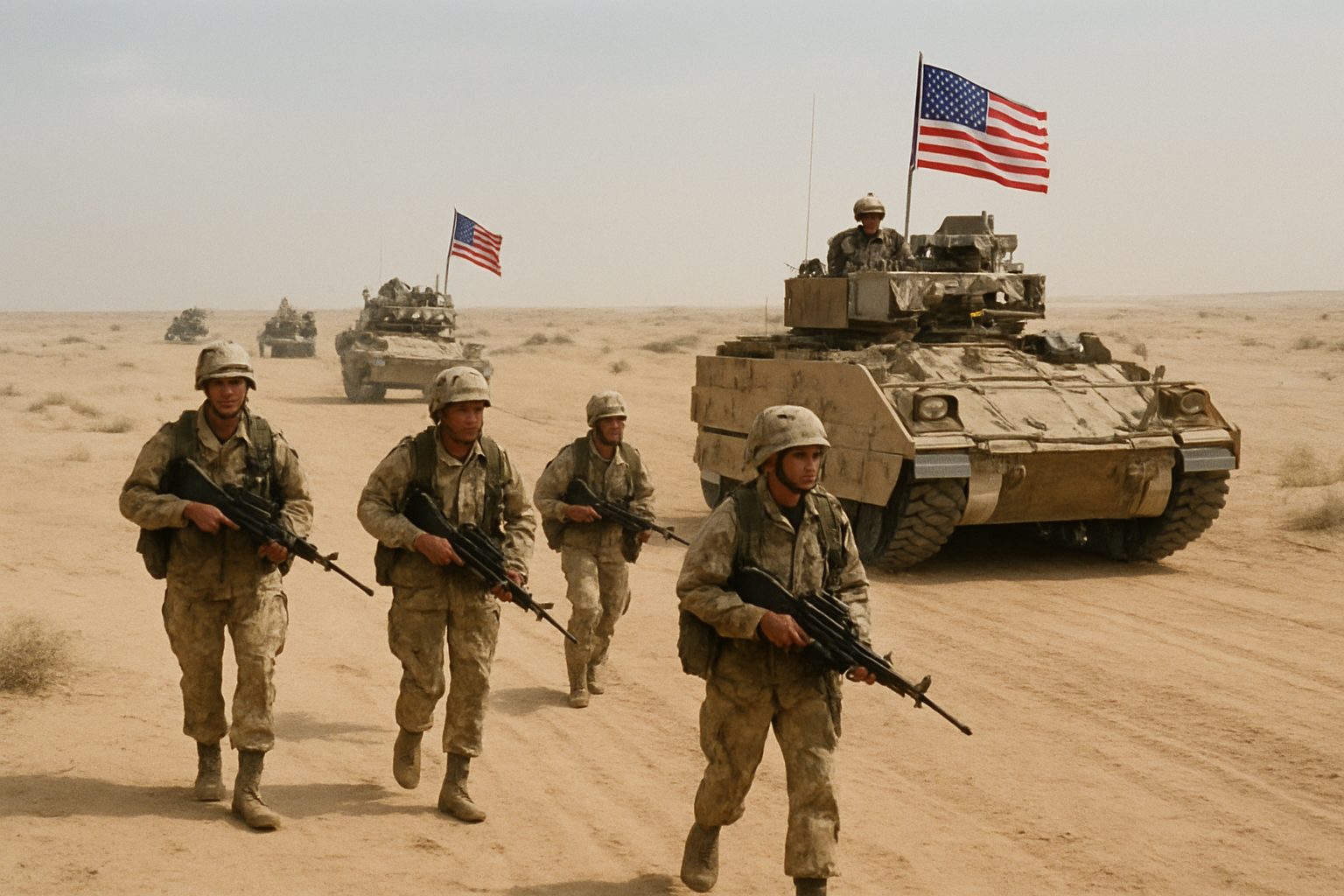
Sep 23, 2026
Operation Desert Storm: Why the United States Went to War With Iraq in 1991
In 1991, a U.S.-led coalition expelled Iraqi forces from Kuwait in a ground campaign lasting roughly 100 hours. Its decision to stop short of Baghdad defined both the war’s success and its unresolved aftermath.
Read story →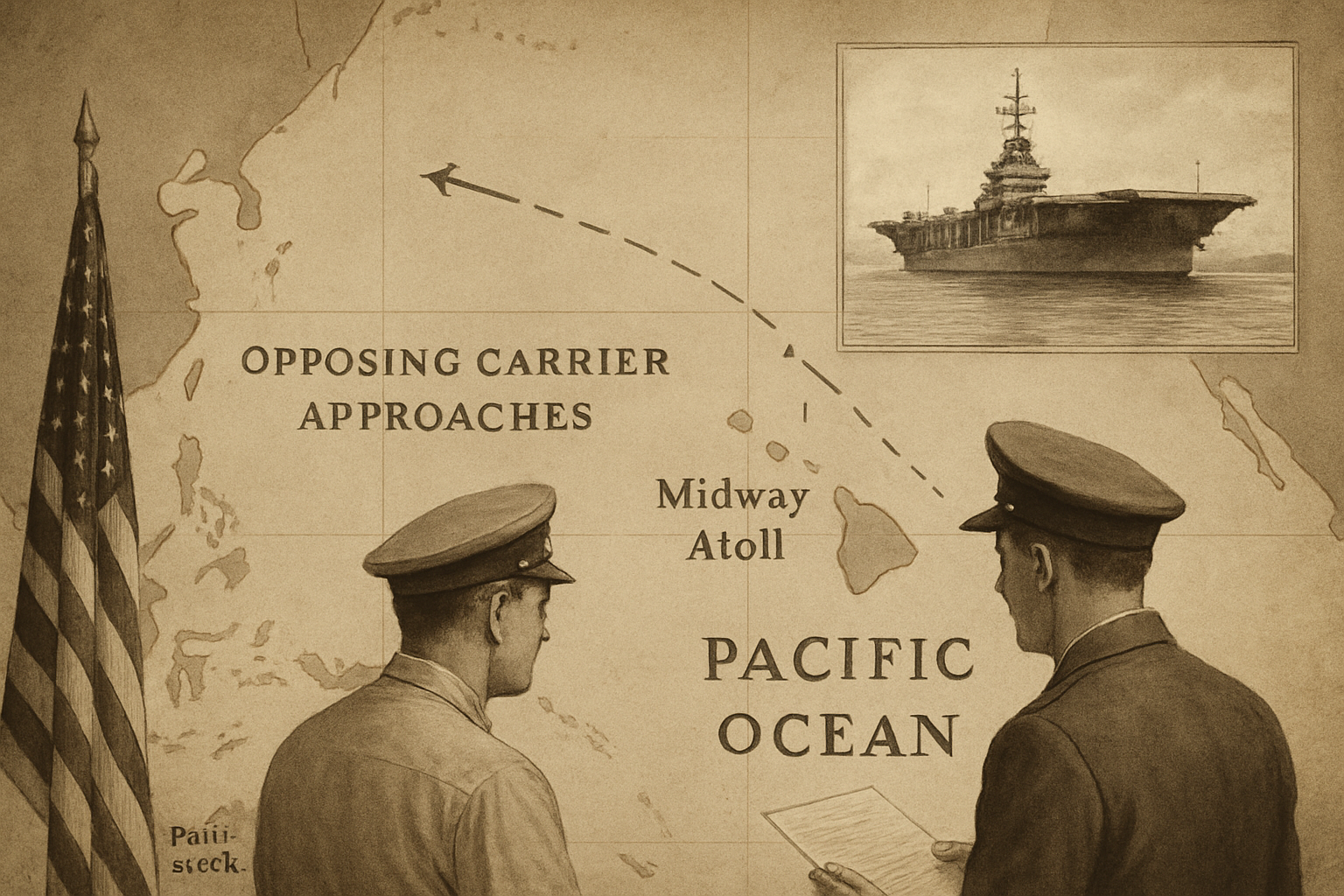
Sep 23, 2026
The Battle of Midway: How America Turned the Pacific War
American codebreakers identified Midway as Japan’s target, Pearl Harbor returned USS Yorktown to service, and U.S. dive-bombers found the opening that destroyed four Japanese carriers.
Read story →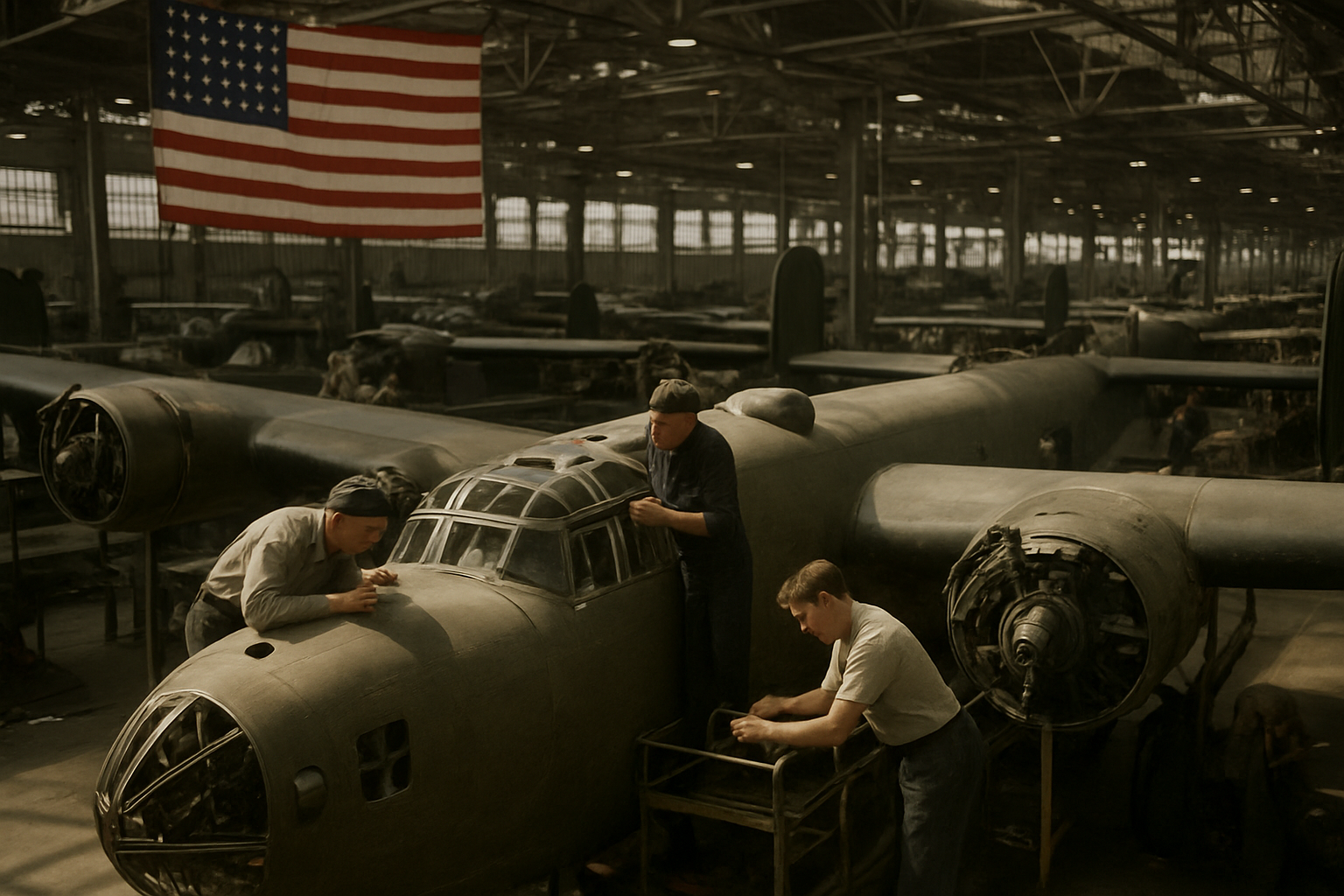
Sep 23, 2026
How America's Arsenal of Democracy Helped Win World War II
In 1942, American car factories stopped making civilian automobiles and began supplying a global war. The conversion helped make the United States the Arsenal of Democracy.
Read story →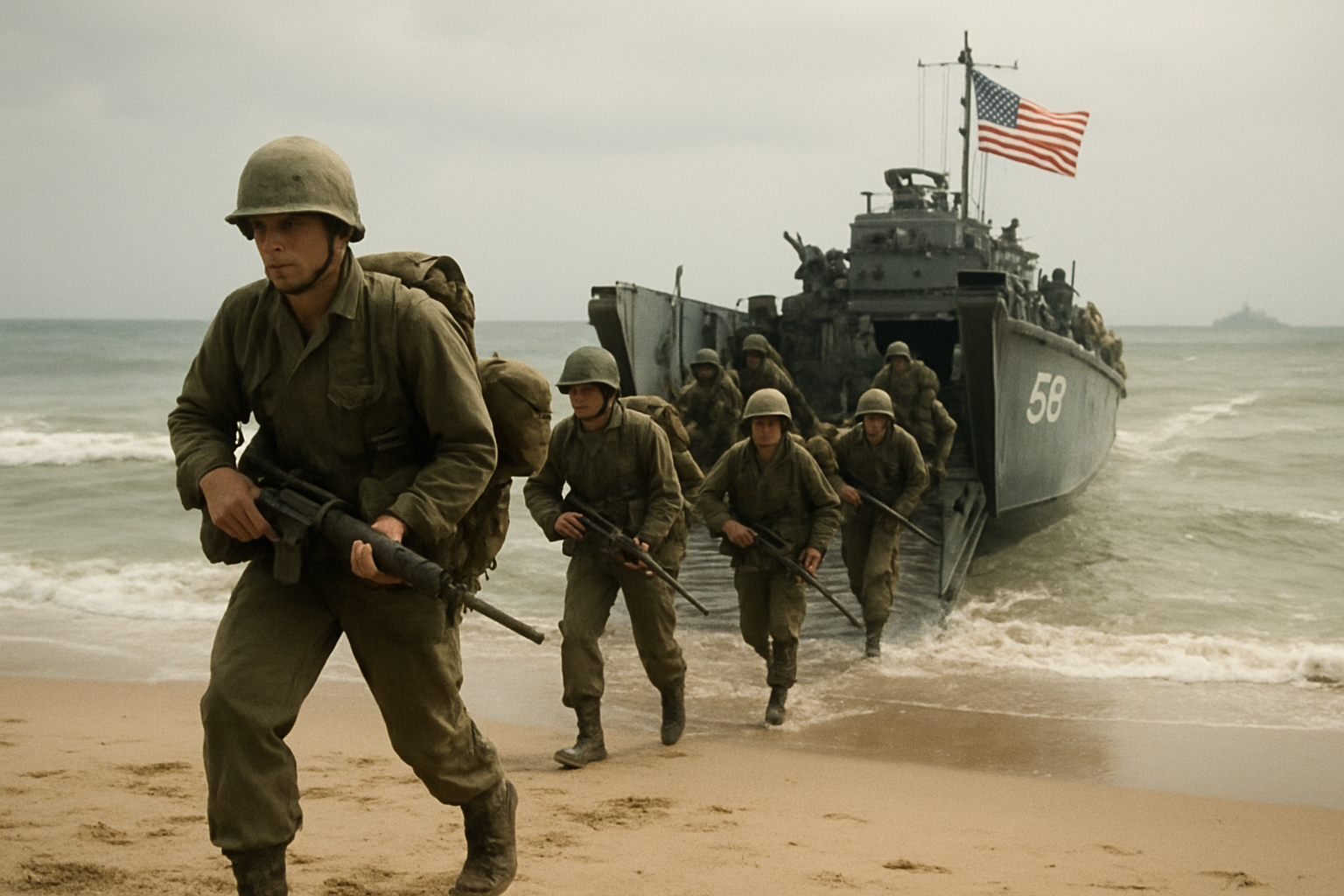
Sep 23, 2026
Lyndon Johnson and America's Escalation in Vietnam
Between the Gulf of Tonkin vote and the troop decisions of July 1965, Lyndon Johnson turned a limited U.S. commitment into an expanding ground war while privately expressing grave doubts about where it would lead.
Read story →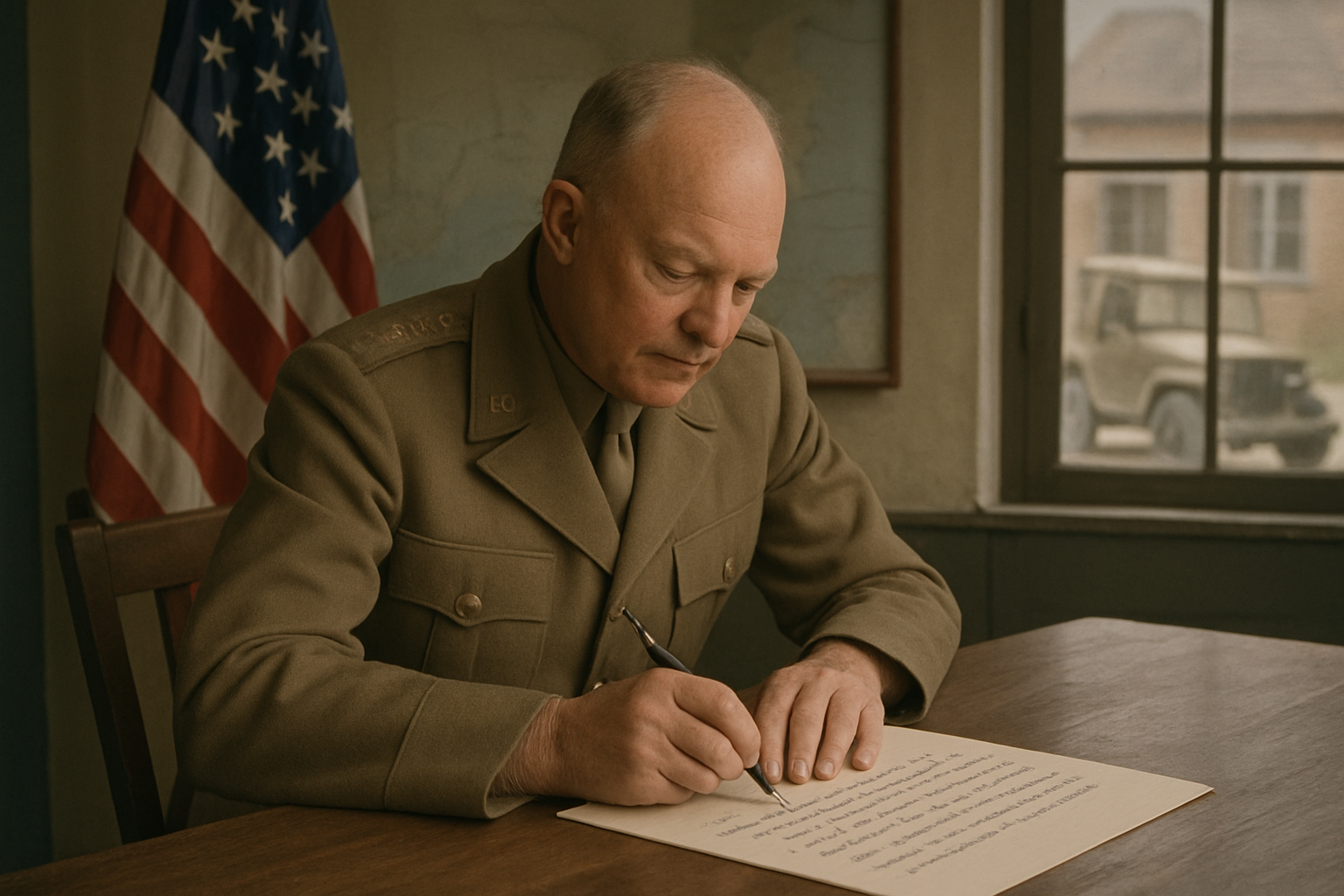
Sep 22, 2026
D-Day: The Invasion That Changed World War II
D-Day was a coalition operation shaped by weather, deception, naval power, and the decisions of troops who had to improvise when the Normandy invasion met German defenses.
Read story →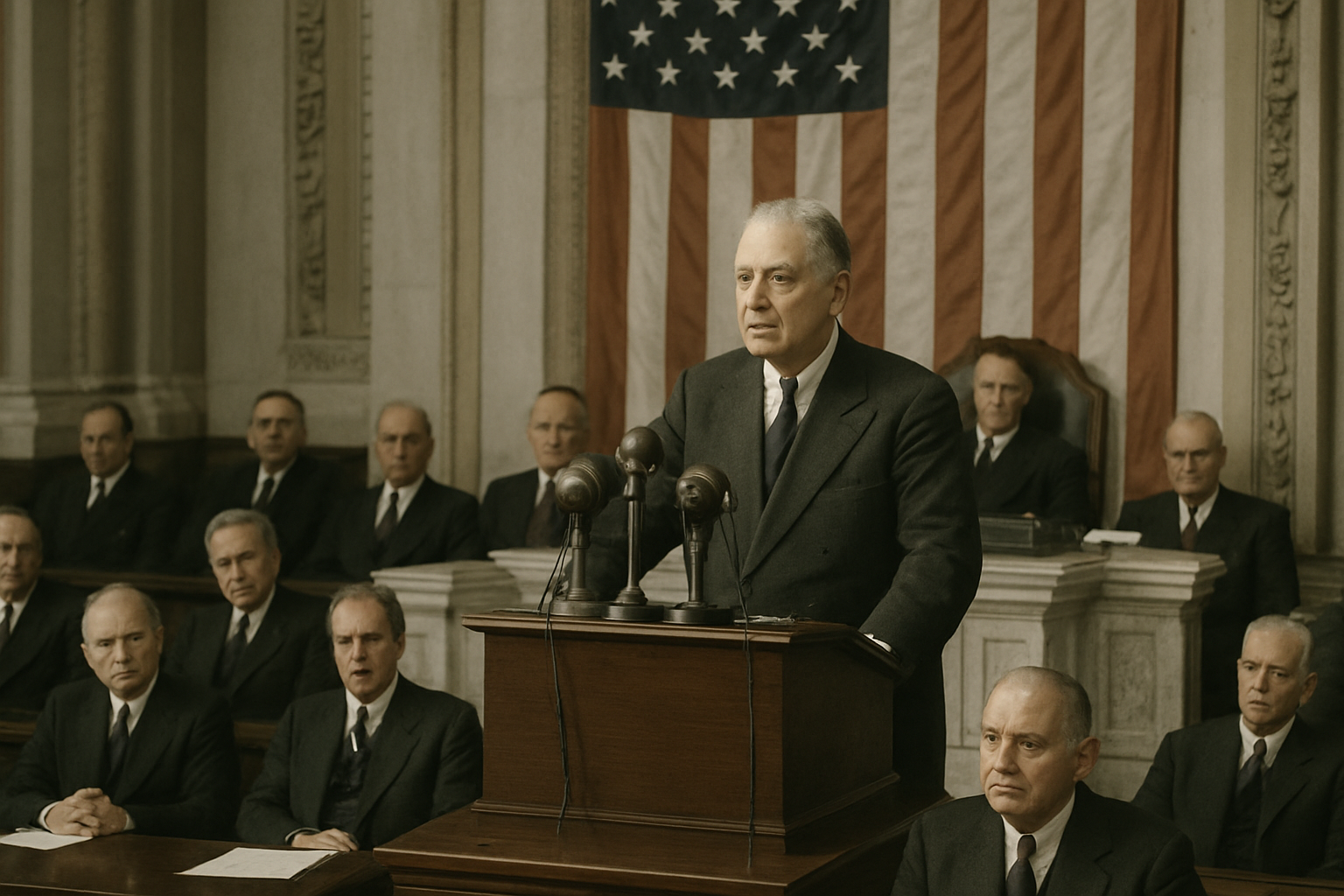
Sep 22, 2026
What Finally Brought America Into World War II?
Pearl Harbor brought America into war with Japan, but it did not automatically mean war with Germany. Hitler’s declaration four days later turned U.S. involvement into a two-ocean conflict.
Read story →
Sep 22, 2026
The Korean War and America's Cold War Strategy
The Korean War reshaped U.S. foreign policy by expanding containment, strengthening alliances, increasing defense spending, and establishing a lasting American role in Asia.
Read story →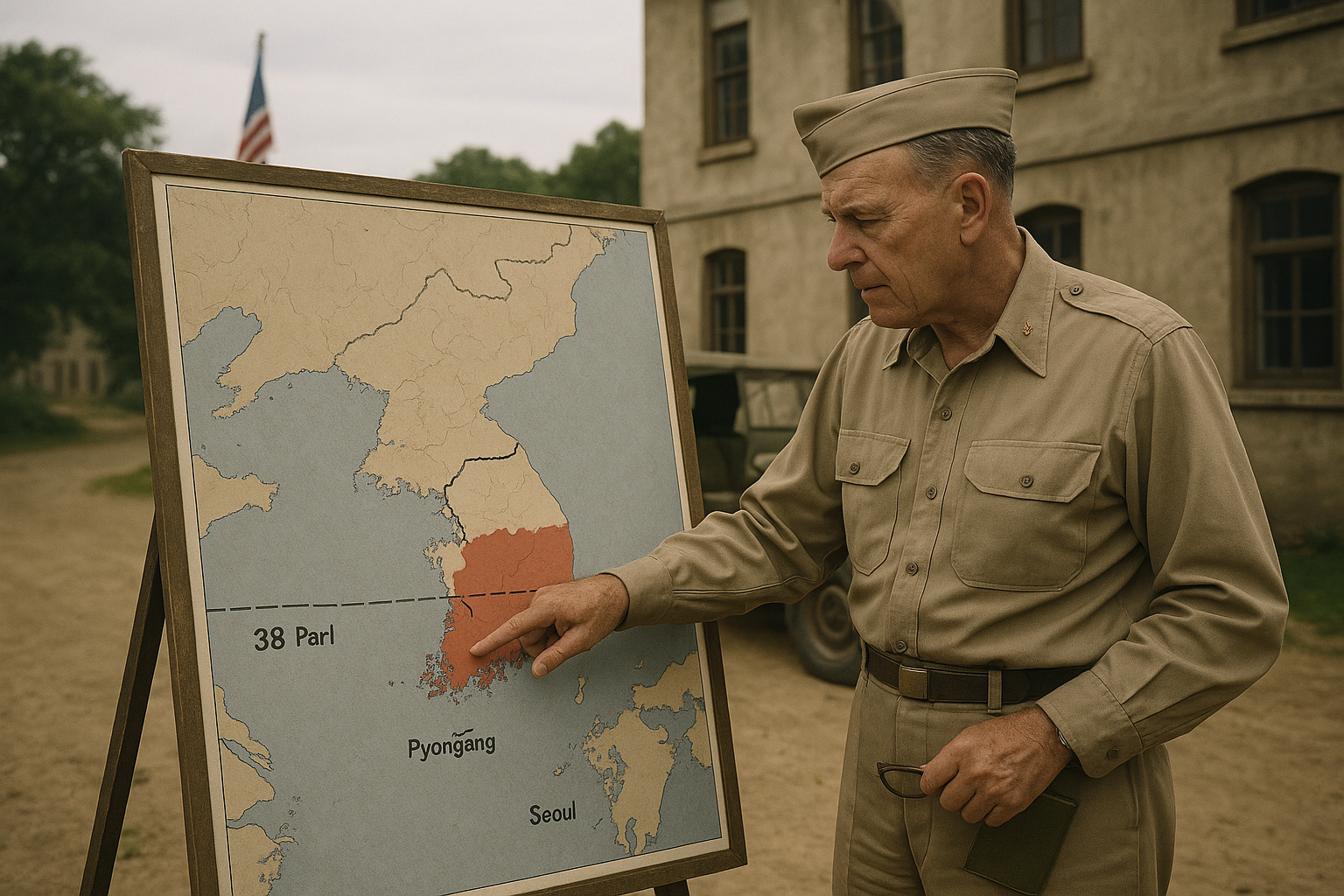
Sep 22, 2026
Why Did the Korean War Begin?
Korea’s division began as a temporary arrangement after Japan’s defeat. Five years later, Kim Il Sung’s drive for reunification, Soviet support, and dangerous assumptions led to war.
Read story →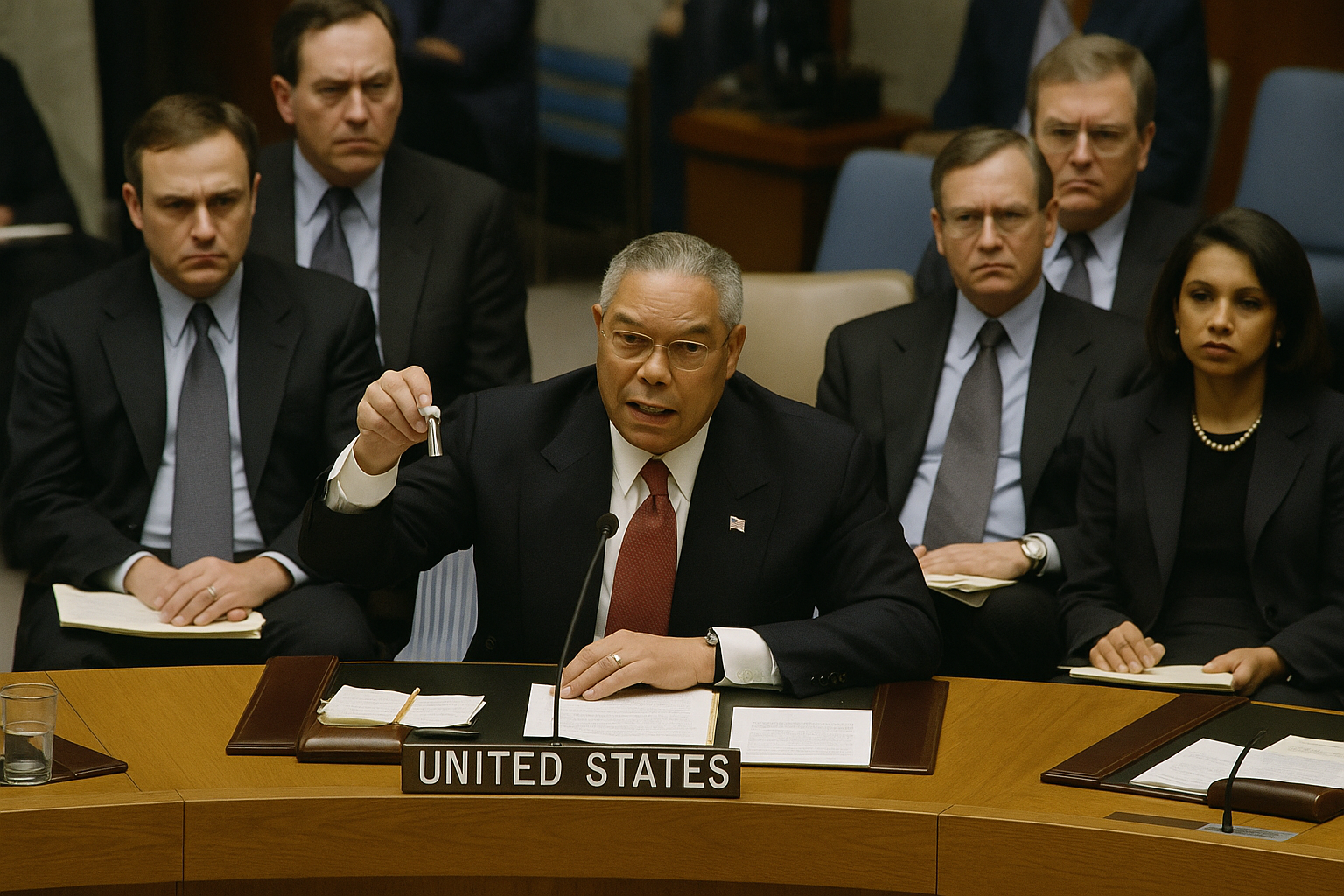
Sep 20, 2026
Why Did the United States Invade Iraq in 2003?
Why did the U.S. invade Iraq in 2003? The answer involves post-9/11 fears, weapons claims, congressional authorization, UN diplomacy, and flawed intelligence.
Read story →
Sep 20, 2026
Why America Entered World War I in 1917
The United States did not enter World War I because of one attack or one telegram. Germany’s submarine campaign, attacks on American ships, and the Zimmermann Telegram pushed Wilson and Congress to abandon neutrality in 1917.
Read story →