THE UNITED STATES BEYOND ITS BORDERS
America & the World
Diplomacy, alliances, interventions and global decisions that shaped America's role in the world.
START HERE
A way into the subject.
Begin with the international decision, then follow how it changed alliances, power and American life at home.
STORIES IN THIS TOPIC
Read the archive.
Oct 3, 2026
Native American Boarding Schools: The Policy Behind Family Separation
Federal boarding schools were sustained by law, funding, and coercion. From ration withholding to child-welfare removals, the system separated Native children from their families and communities.
Start with this story →Oct 3, 2026
The Oklahoma Land Runs: Opportunity Built on Dispossession
The Oklahoma land runs turned prairie into claims, tents, and town sites in hours. They also marked another stage in the federal dismantling of tribal land bases in Indian Territory.
Read story →Oct 3, 2026
The Real Life of a Cattle-Drive Cowboy
The cattle-drive cowboy was usually a wage worker, not a lone gunfighter. Between 1866 and 1890, diverse crews pushed millions of longhorns toward railheads, linking Texas cattle country to northern markets.
Read story →Oct 3, 2026
Black Cowboys and the History Hollywood Often Overlooked
Black cowboys made up a significant share of post-Civil War cattle-drive crews. Their labor shaped the cattle economy, even as popular culture promoted a much narrower image of the American West.
Read story →Oct 3, 2026
Wounded Knee, 1890: The Events Behind the Massacre
Wounded Knee was not a conventional battle. It grew from reservation hardship, federal panic over the Ghost Dance, and a disarmament operation that ended in mass killing.
Read story →Oct 3, 2026
The Dawes Act and the Loss of Tribal Land
The Dawes Act divided reservation lands into individual allotments and opened unallotted acreage to non-Native settlement. By 1934, Native landholdings had fallen from roughly 138 million acres to about 48 million.
Read story →Oct 3, 2026
The Near Destruction of the American Bison
Commercial hunting, railroads, and U.S. policy reduced bison from tens of millions to a few scattered herds. Yellowstone and early conservation efforts helped keep the species alive.
Read story →Oct 3, 2026
Little Bighorn: What Happened to Custer’s Command?
On June 25, 1876, George Armstrong Custer’s immediate command of about 210 men was destroyed along the Little Bighorn. The familiar image of a single heroic last stand leaves out the larger story: an Indigenous victory, a split cavalry regiment, and a battlefield that came apart under pressure.
Read story →Oct 3, 2026
The Pony Express: Why a Short-Lived Service Became Famous
The Pony Express was an expensive private gamble, not a long-running government mail service. Its riders helped speed vital news across a divided nation, but a completed telegraph line ended the business almost as soon as it had proved its point.
Read story →Oct 2, 2026
The Golden Spike: What the Railroad Connected—and Divided
The Golden Spike joined the Central Pacific and Union Pacific in 1869. The railroad transformed travel and commerce while relying on Chinese labor and accelerating changes across the West.
Read story →Oct 2, 2026
Chinese Workers and the Transcontinental Railroad
Chinese immigrants made up most of the Central Pacific construction force, cut tunnels through Sierra granite, organized a major strike, and laid the final rail before the Golden Spike ceremony. Their work helped bind the country together; exclusion soon followed.
Read story →Oct 2, 2026
The Homestead Act: The Promise and Limits of Free Land
The Homestead Act offered a path to landownership for millions, but 160 acres did not guarantee a living. Its legacy includes family farms and new communities, as well as fraud, environmental limits, and Indigenous dispossession.
Read story →Oct 2, 2026
The Donner Party: How a Westward Journey Became a Disaster
The Donner-Reed Party did not reach the Sierra Nevada too late because of one storm alone. A risky shortcut consumed the time, animals, and unity the emigrants needed to cross the mountains before winter.
Read story →Oct 2, 2026
The Oregon Trail: What Families Carried West
Oregon Trail families did not travel in rolling houses. They packed tightly limited wagons with flour, bacon, tools, and spare parts, then often walked beside them. As oxen weakened, some possessions ended up beside the trail.
Read story →Oct 2, 2026
The California Gold Rush: Who Actually Got Rich?
Gold drew thousands to California, but the people best positioned to build lasting wealth were often those who supplied the miners or financed the industries that followed.
Read story →Oct 2, 2026
The Alamo: How a Defeat Became a Symbol
Houston had ordered the Alamo abandoned. After its garrison fell in March 1836, the defeat became the battle cry that followed Texian forces to San Jacinto six weeks later.
Read story →Oct 2, 2026
The Trail of Tears: Forced Removal and Its Human Cost
The Trail of Tears was not an unavoidable move west. It was federal removal policy carried out despite Cherokee resistance in court, in Congress, and through their own government.
Read story →Oct 2, 2026
Sacagawea: Separating Her Role from the Legend
Sacagawea did not lead Lewis and Clark across an unknown continent. Her documented work was more complicated: she translated, helped open negotiations with the Shoshone, signaled peaceful intent, and preserved crucial expedition materials in a river accident.
Read story →Oct 1, 2026
The Lewis and Clark Expedition: Who Made the Journey Possible?
Lewis and Clark commanded the Corps of Discovery, but its survival depended on Native nations, interpreters, hunters, boatmen, Sacagawea, York, and others whose work carried the expedition west and back.
Read story →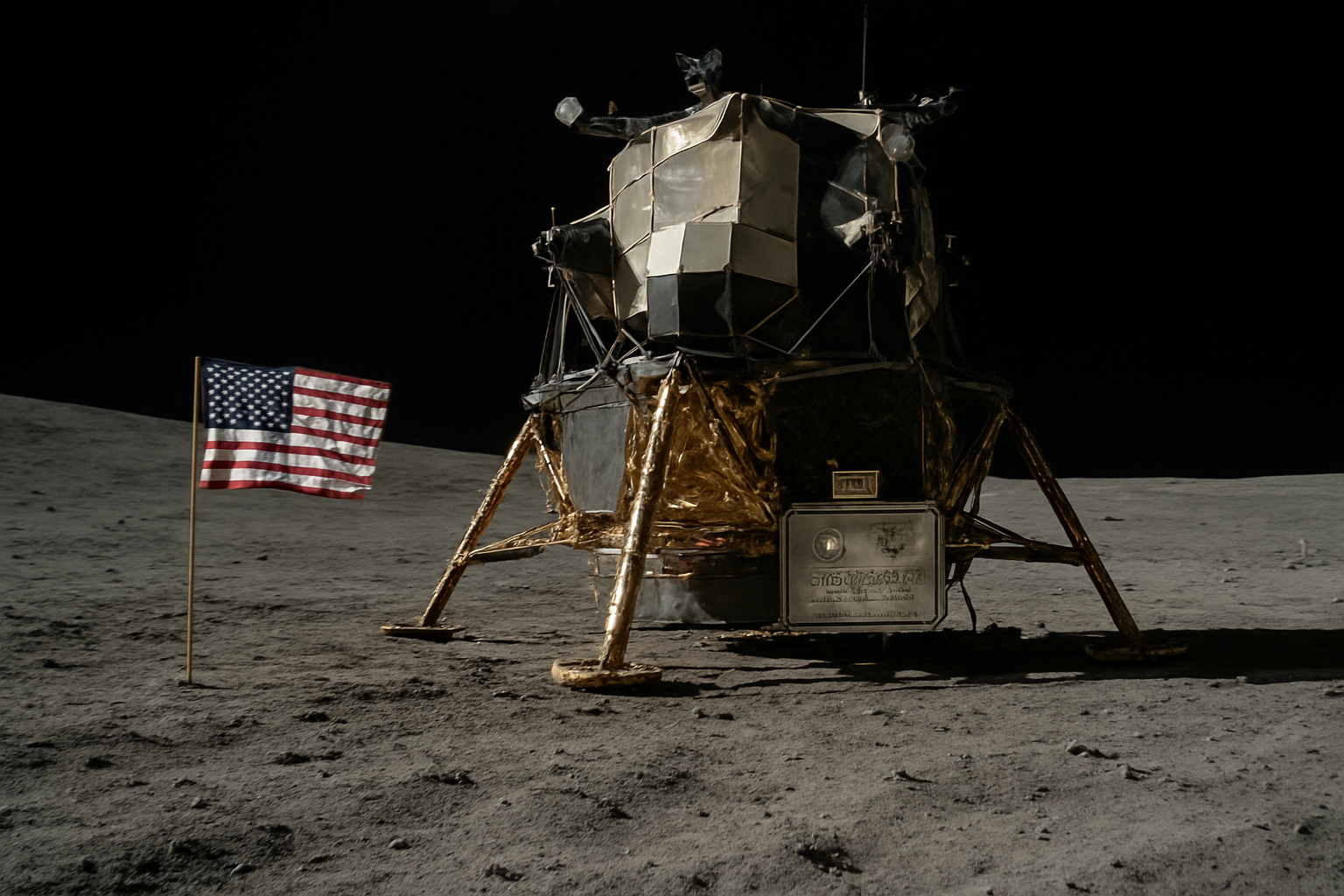
Sep 25, 2026
The Moon Landing: Why Apollo 11 Mattered to the Entire World
Apollo 11 put Americans on the Moon, but its meaning quickly extended beyond national victory. Worldwide broadcasts, lunar symbols, international law, and a 24-country tour helped make the 1969 landing a shared global event.
Read story →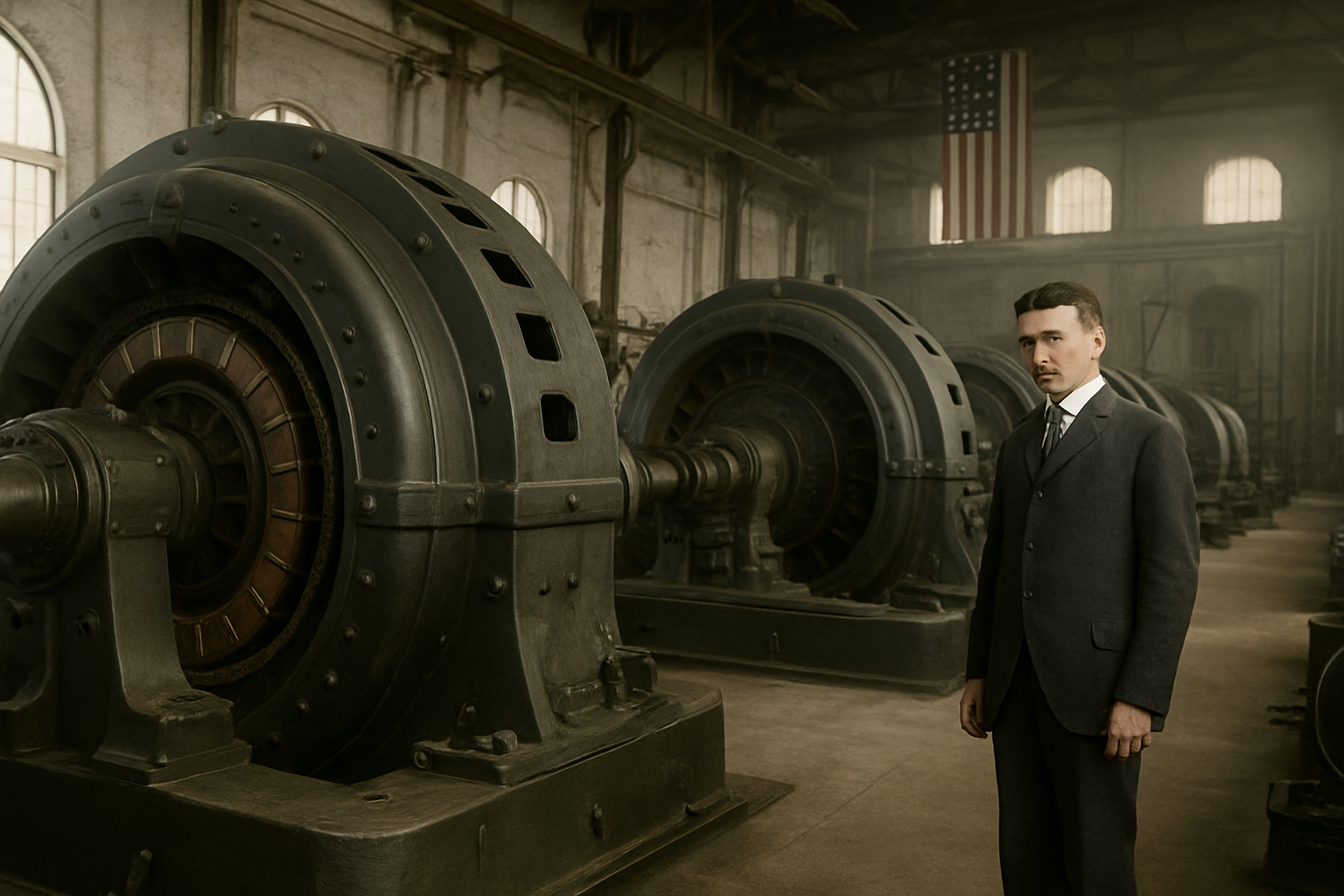
Sep 24, 2026
Nikola Tesla and the Electrical System That Powered the Modern World
Nikola Tesla did not invent alternating current, but his polyphase motor made it far more useful. With George Westinghouse’s backing, that system helped move electric power beyond the neighborhood generator and toward the modern grid.
Read story →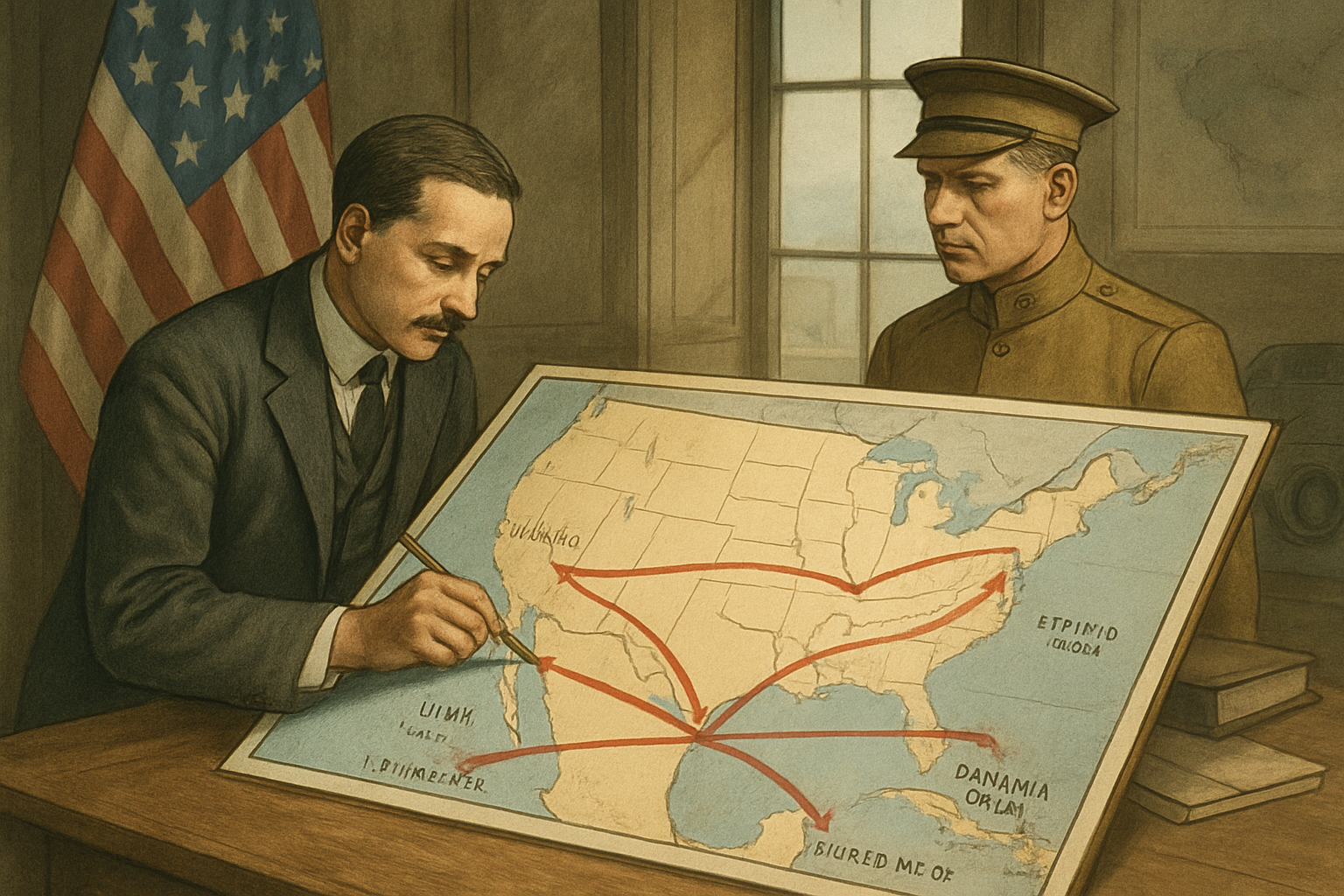
Sep 22, 2026
How the United States Became a World Power
The United States did not become a global power overnight in 1945. Industrial growth, naval strategy, the war of 1898, and two world wars gradually expanded its reach across the oceans.
Read story →