SLAVERY, UNION & THE STRUGGLE FOR FREEDOM
Civil War & Reconstruction
The American Civil War, its roots in slavery, and the unfinished struggle over freedom and citizenship during Reconstruction.
START HERE
A way into the subject.
Begin with the disputes over slavery, then follow the war, emancipation and the effort to rebuild the country.
STORIES IN THIS TOPIC
Read the archive.
Oct 2, 2026
Juneteenth: Why June 19 Became a Day of Freedom
Juneteenth marks the day Union troops enforced emancipation in Texas. Its history begins with a military order in Galveston and continues through generations of Black community organizing.
Start with this story →Oct 2, 2026
The Freedmen’s Bureau and the Unfinished Work of Reconstruction
With roughly 900 field agents at its peak, the Freedmen’s Bureau was asked to help remake Southern life after slavery. Its schools and records endured, but it could not secure land or lasting protection for freedpeople.
Read story →Oct 1, 2026
Lincoln’s Assassination: The Events at Ford’s Theatre
Abraham Lincoln was shot during a performance at Ford’s Theatre on April 14, 1865. His murder was part of a coordinated conspiracy aimed at the Union government in the Civil War’s final days.
Read story →Oct 1, 2026
Appomattox: What Lee’s Surrender Meant
At Appomattox Court House, Robert E. Lee surrendered the Army of Northern Virginia—not the entire Confederacy. Grant’s terms paired disarmament with parole, rations, and a path home for defeated soldiers.
Read story →Oct 1, 2026
Sherman’s March to the Sea: War Beyond the Battlefield
Sherman’s 1864 march from Atlanta to Savannah was meant to break the Confederacy’s war-making capacity. Along the route, thousands of enslaved people seized a dangerous chance at freedom—and forced the Union to confront what freedom required.
Read story →Oct 1, 2026
The 54th Massachusetts and the Assault on Fort Wagner
On July 18, 1863, the 54th Massachusetts led a deadly assault on Fort Wagner. The fort held, but the regiment’s conduct helped expand Black enlistment and strengthened a demand the Union government could no longer ignore: equal pay.
Read story →Oct 1, 2026
Vicksburg: The Siege That Opened the Mississippi
The fall of Vicksburg on July 4, 1863, gave the Union a decisive Mississippi River victory, divided Confederate territory, and made the city a destination for thousands of people seeking freedom.
Read story →Oct 1, 2026
Gettysburg: Why Pickett’s Charge Failed
Pickett’s Charge was not simply a failed rush at a stone wall. The Confederate assault depended on artillery that did not disable the Union defense and infantry that had to cross open farmland under fire.
Read story →Oct 1, 2026
What the Emancipation Proclamation Did—and Did Not Do
The Emancipation Proclamation did not end slavery nationwide on January 1, 1863. But Lincoln's wartime order transformed Union policy, authorized Black enlistment, and helped clear the path to the 13th Amendment.
Read story →Oct 1, 2026
Antietam: America’s Bloodiest Day of Battle
Antietam ended without a decisive battlefield victory, but Lee’s retreat from Maryland gave Abraham Lincoln the opening to issue the preliminary Emancipation Proclamation.
Read story →Oct 1, 2026
Why the Battle of Bull Run Shocked the North
On July 21, 1861, a Union army marched toward Manassas expecting to strike a hard blow against the Confederacy. By nightfall, its retreat toward Washington had convinced the North that the war would be longer, costlier, and harder to control than many had imagined.
Read story →Oct 1, 2026
Fort Sumter: The Opening Shots of the Civil War
Fort Sumter fell after 34 hours under Confederate fire in April 1861. The battle caused no combat deaths, but it brought a secession crisis into open war.
Read story →Oct 1, 2026
John Brown’s Raid on Harpers Ferry
In October 1859, John Brown seized the federal armory at Harpers Ferry hoping to arm enslaved people. The raid collapsed within two days, but Brown’s trial and execution gave it consequences far beyond its military outcome.
Read story →Oct 1, 2026
Dred Scott: The Supreme Court Decision That Deepened the Divide
Dred and Harriet Scott used a Missouri legal tradition to seek freedom after years spent in places where slavery was barred. The Supreme Court turned their case into a sweeping 1857 ruling on Black citizenship and slavery in the territories.
Read story →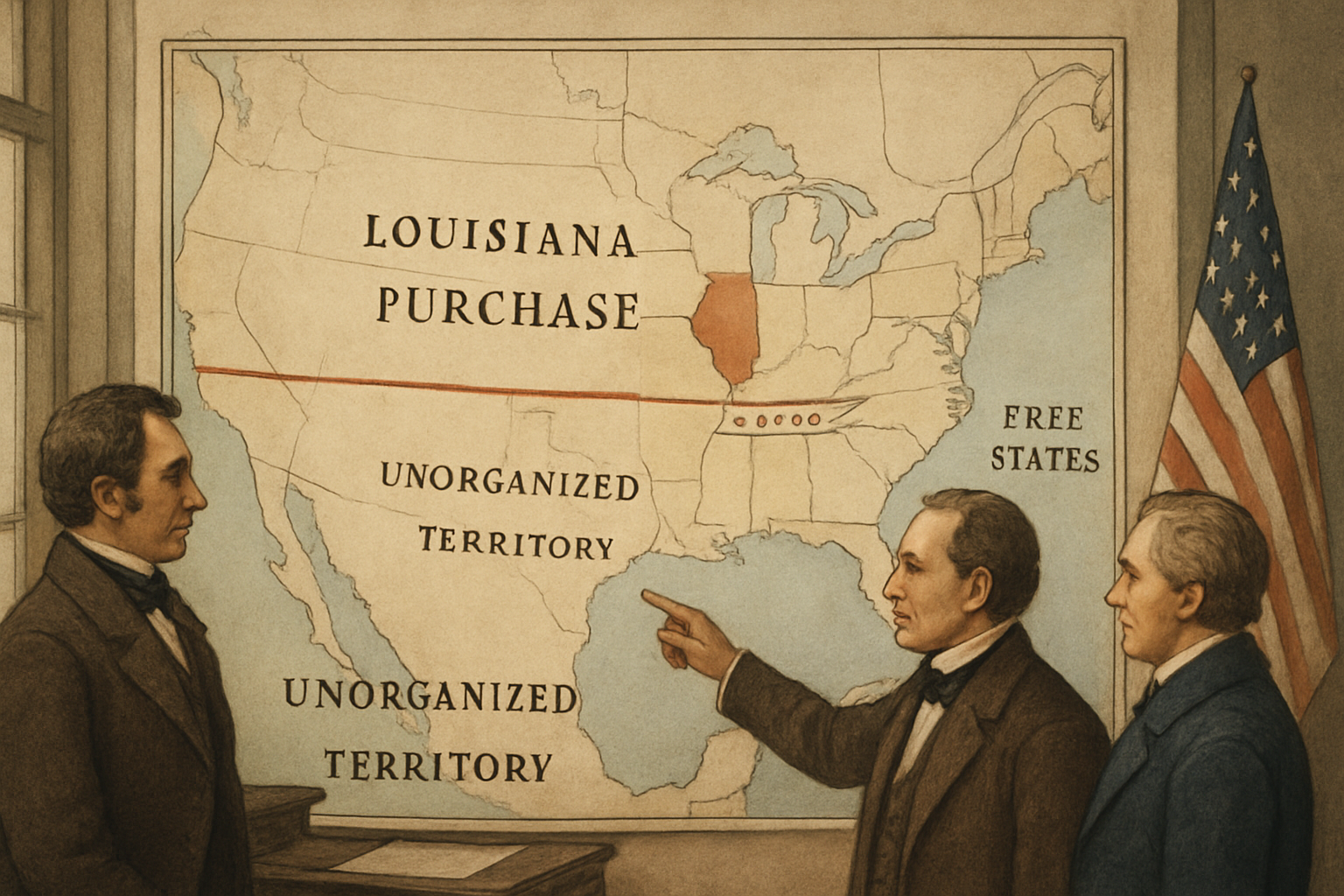
Sep 30, 2026
The Missouri Compromise and the Battle over Slavery’s Expansion
The Missouri Compromise admitted Maine as a free state and Missouri as a slave state while drawing a 36°30′ line through western territory. It eased an immediate political crisis and exposed how deeply slavery had divided the Union.
Read story →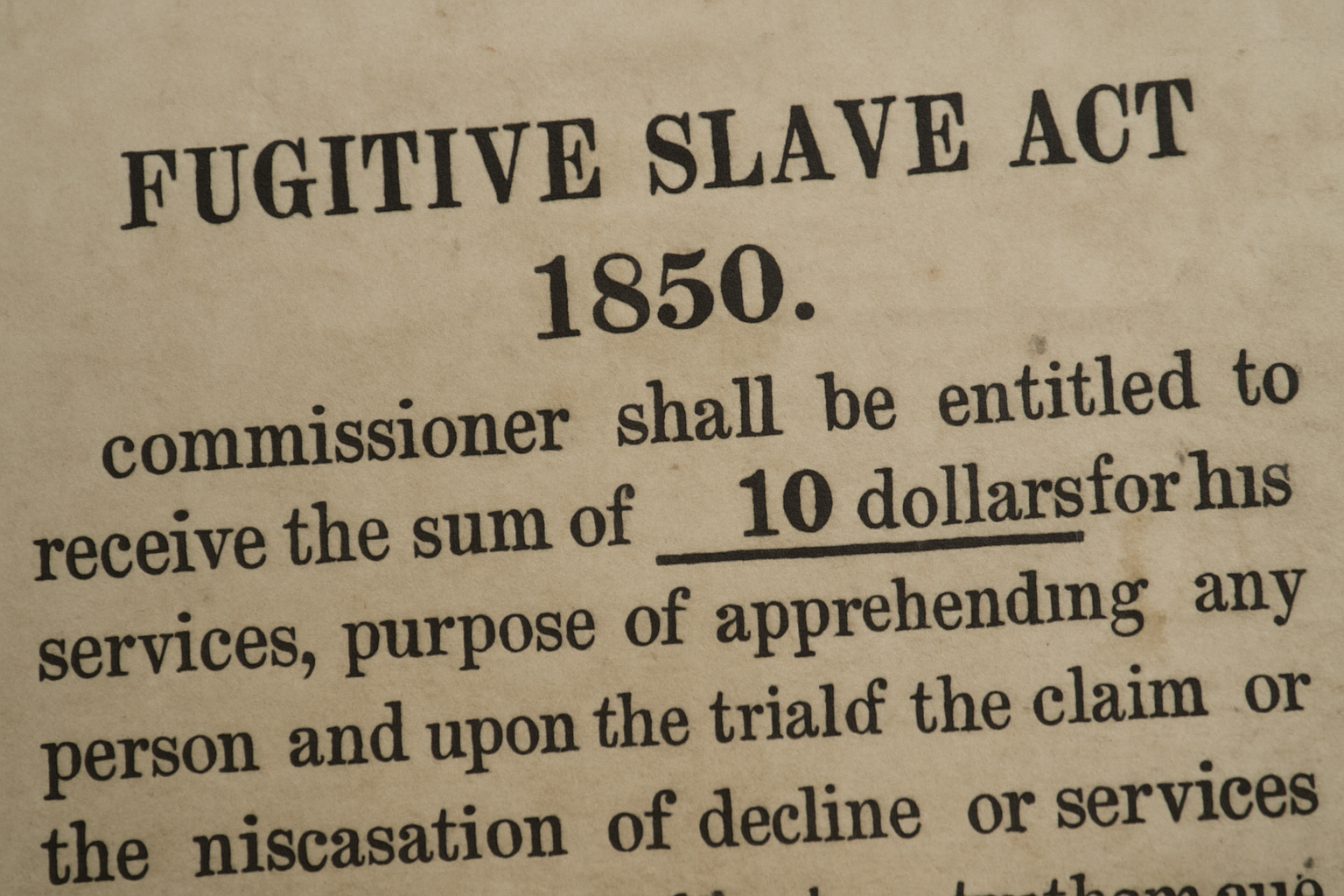
Sep 30, 2026
The Fugitive Slave Act and the Risks of Seeking Freedom
The Fugitive Slave Act of 1850 put federal power behind the capture of alleged escapees, denied the accused basic legal protections, and made northern communities part of slavery's enforcement system.
Read story →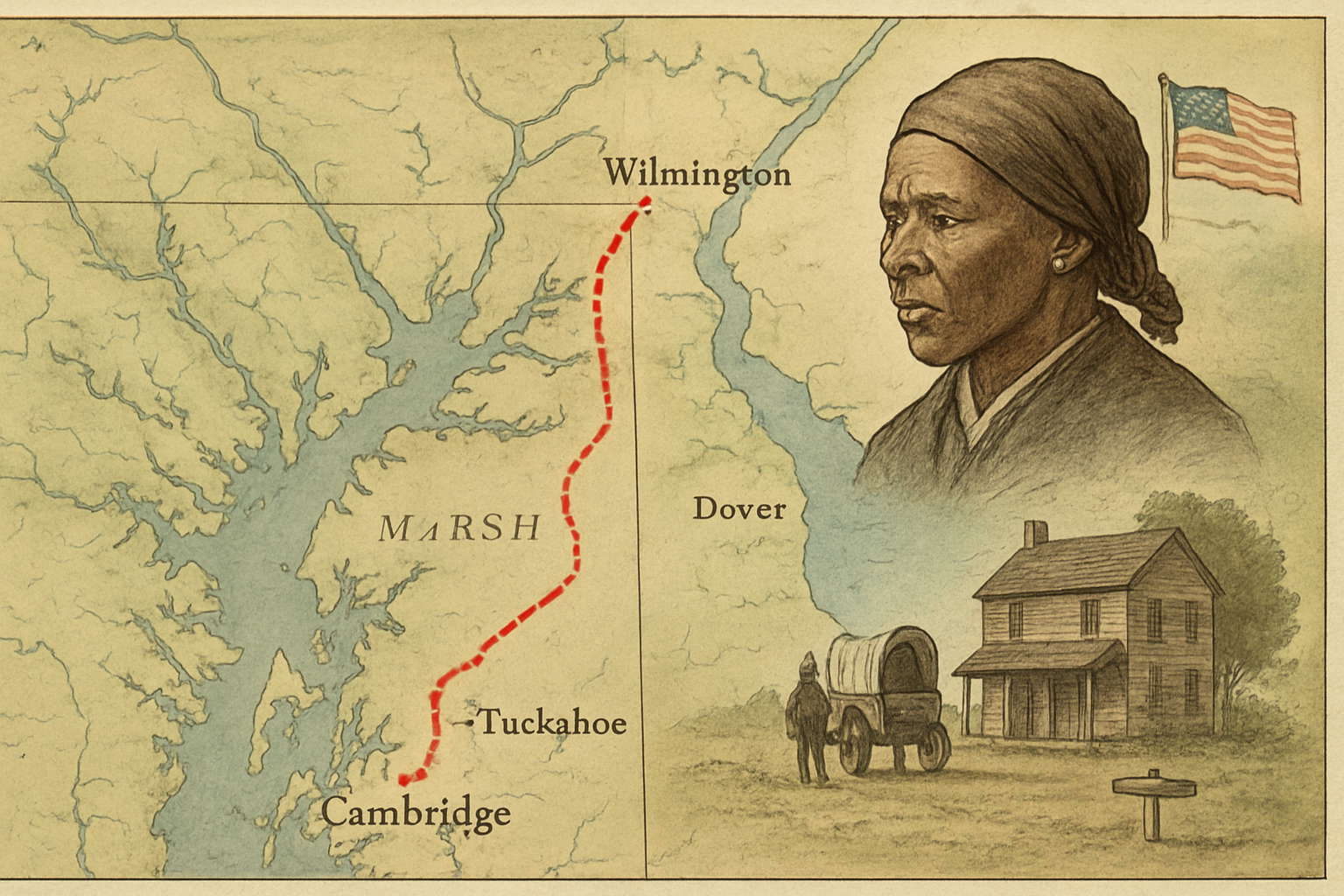
Sep 30, 2026
Harriet Tubman’s Missions on the Underground Railroad
Harriet Tubman’s rescue missions were built on local knowledge, careful timing, and a network that carried freedom seekers from Maryland toward Pennsylvania and Canada.
Read story →
Sep 30, 2026
Frederick Douglass: From Enslavement to National Influence
Frederick Douglass used literacy, journalism, constitutional argument, and Black military enlistment to pressure the United States toward emancipation and equal citizenship.
Read story →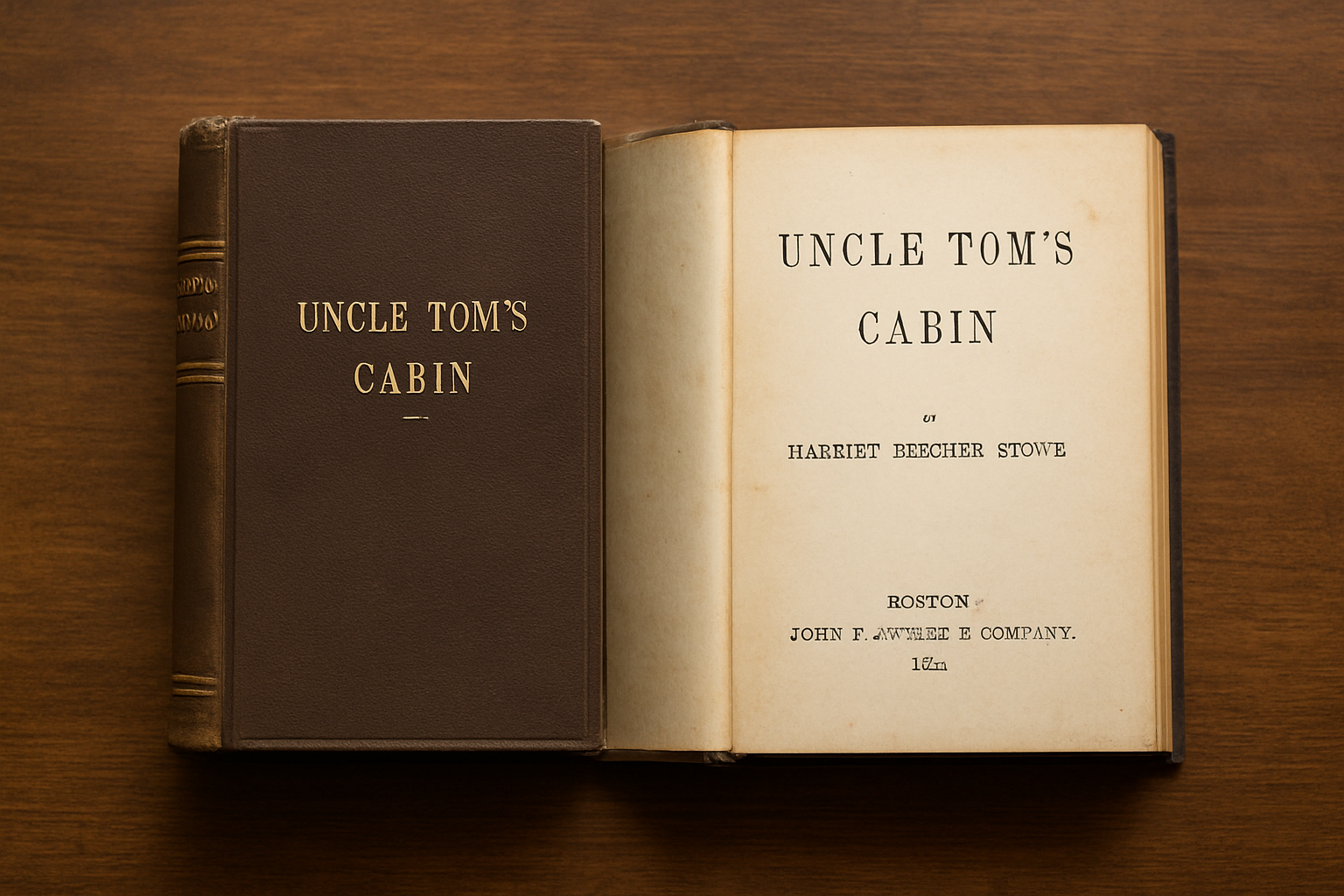
Sep 30, 2026
How Uncle Tom’s Cabin Entered the Slavery Debate
First published as a weekly antislavery serial, *Uncle Tom’s Cabin* became a publishing phenomenon and sharpened the nation’s argument over slavery.
Read story →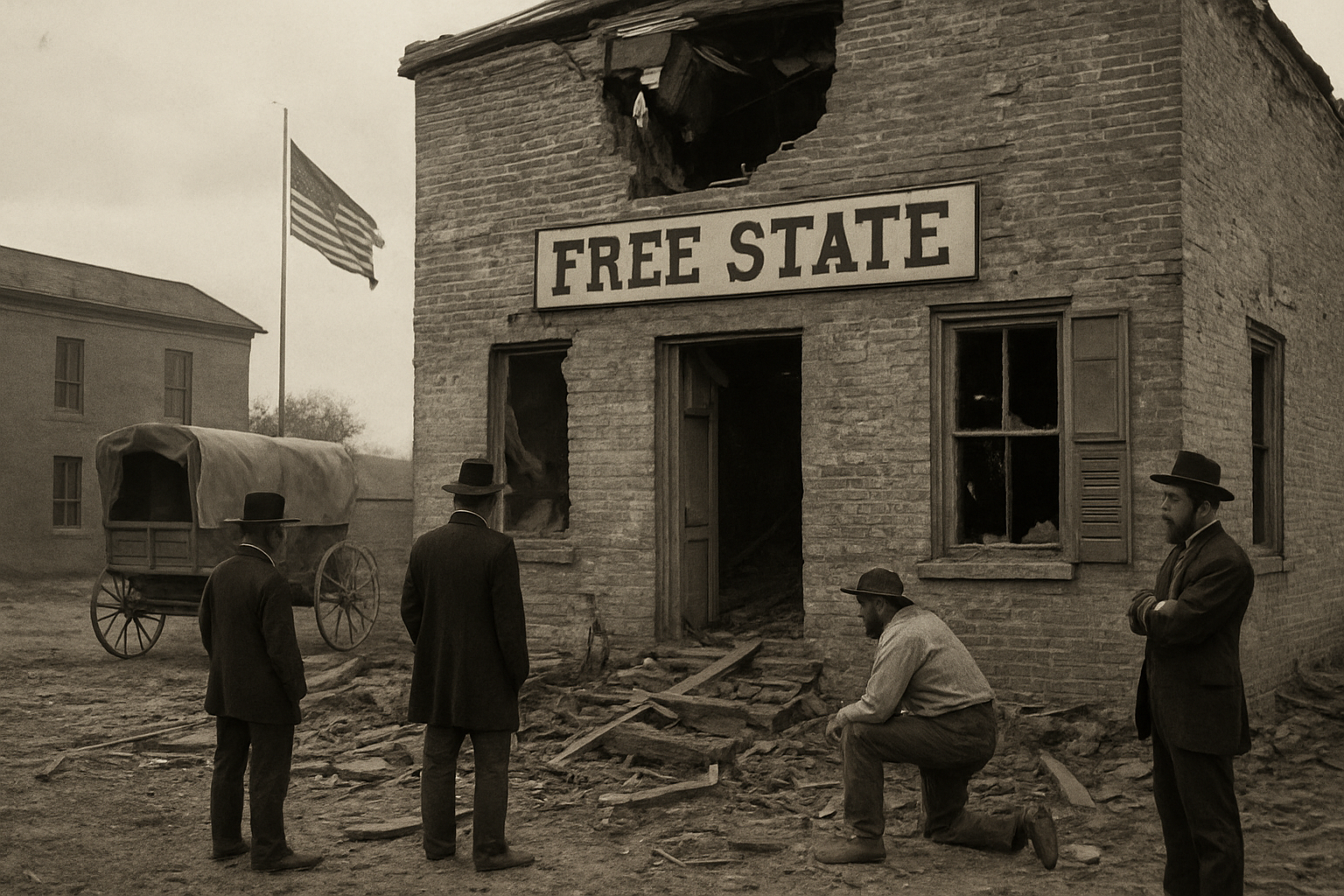
Sep 30, 2026
Bleeding Kansas: Violence Before the Civil War
In the 1850s, Kansas Territory became the place where Americans tried to settle slavery by vote—and then fought over whether those votes could be trusted.
Read story →