THE PEOPLE BEHIND THE DECISIONS
People & Power
Presidents, generals, activists, organizers and public figures whose choices altered the direction of events.
START HERE
A way into the subject.
Read these stories through the choices people made, the power they held and the consequences of using it.
STORIES IN THIS TOPIC
Read the archive.
Oct 1, 2026
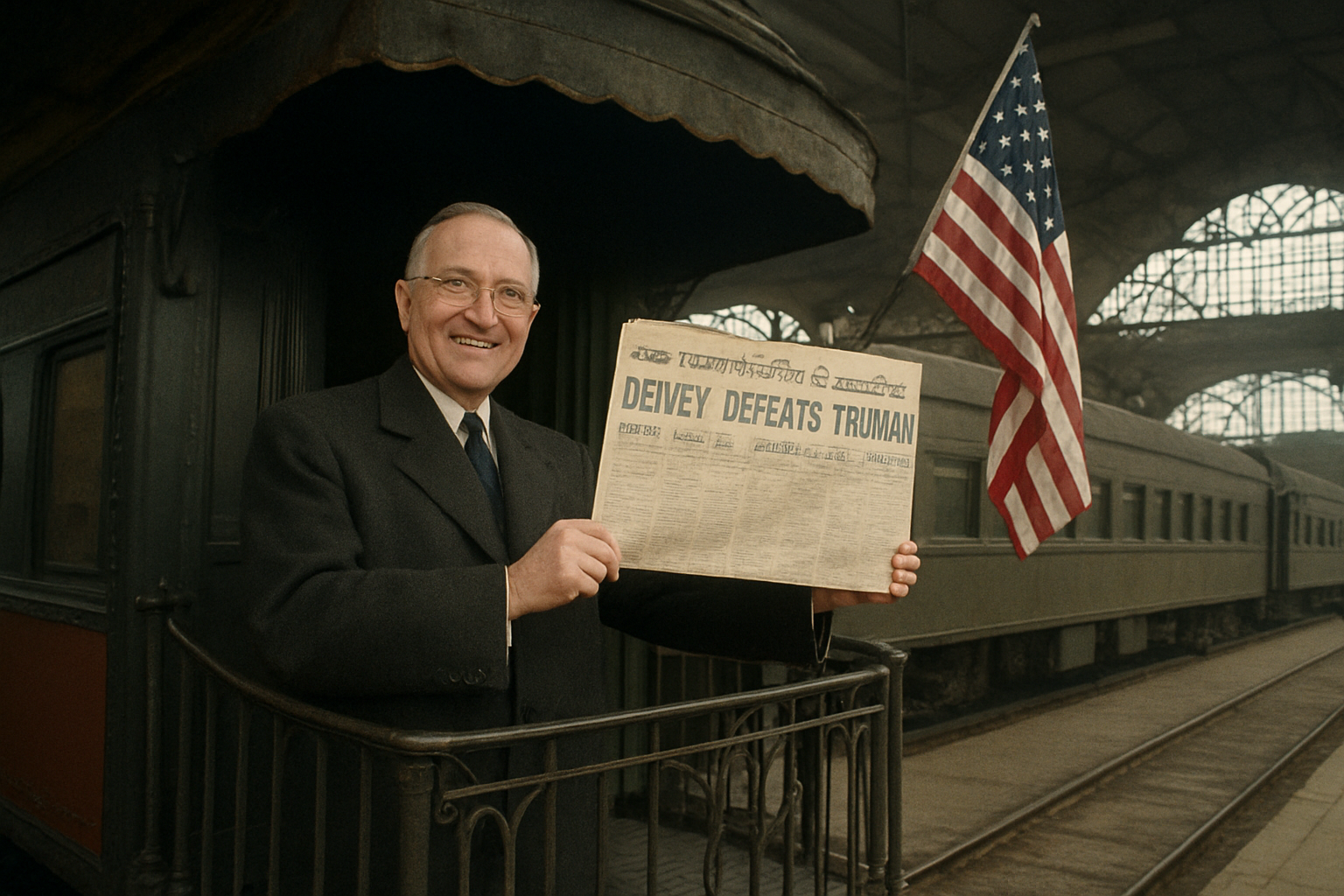
Truman’s 1948 Victory and the Newspaper That Got It Wrong
Harry Truman’s 1948 victory embarrassed the Chicago Daily Tribune and confounded the nation’s leading pollsters. The photograph of Truman holding the paper’s false headline endures as a warning about political certainty.
Start with this story →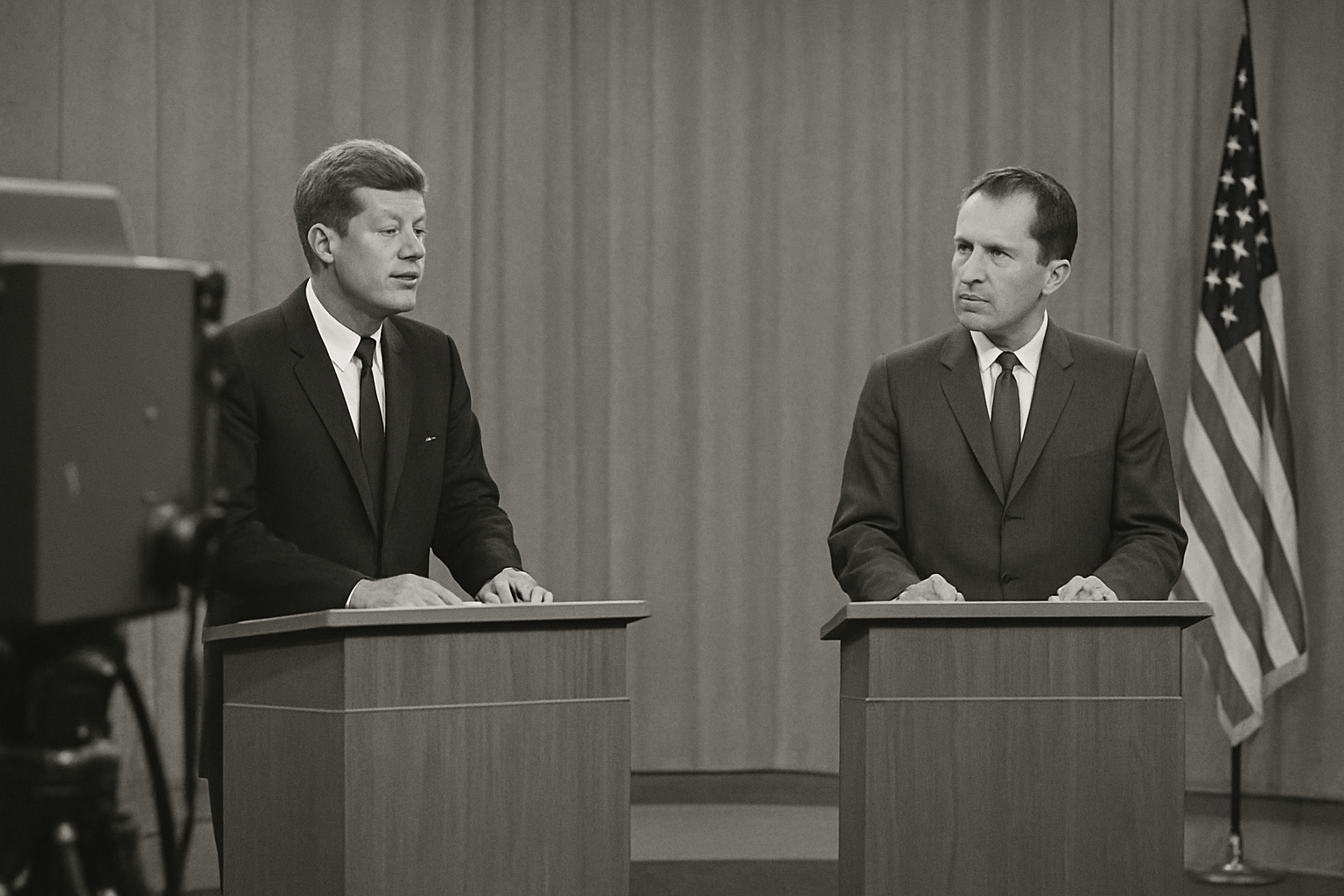
Sep 30, 2026
The Kennedy–Nixon Debates and the Rise of Television Politics
The 1960 Kennedy-Nixon debates showed campaigns that a candidate’s appearance, physical condition, and command of television could shape how Americans judged readiness for office.
Read story →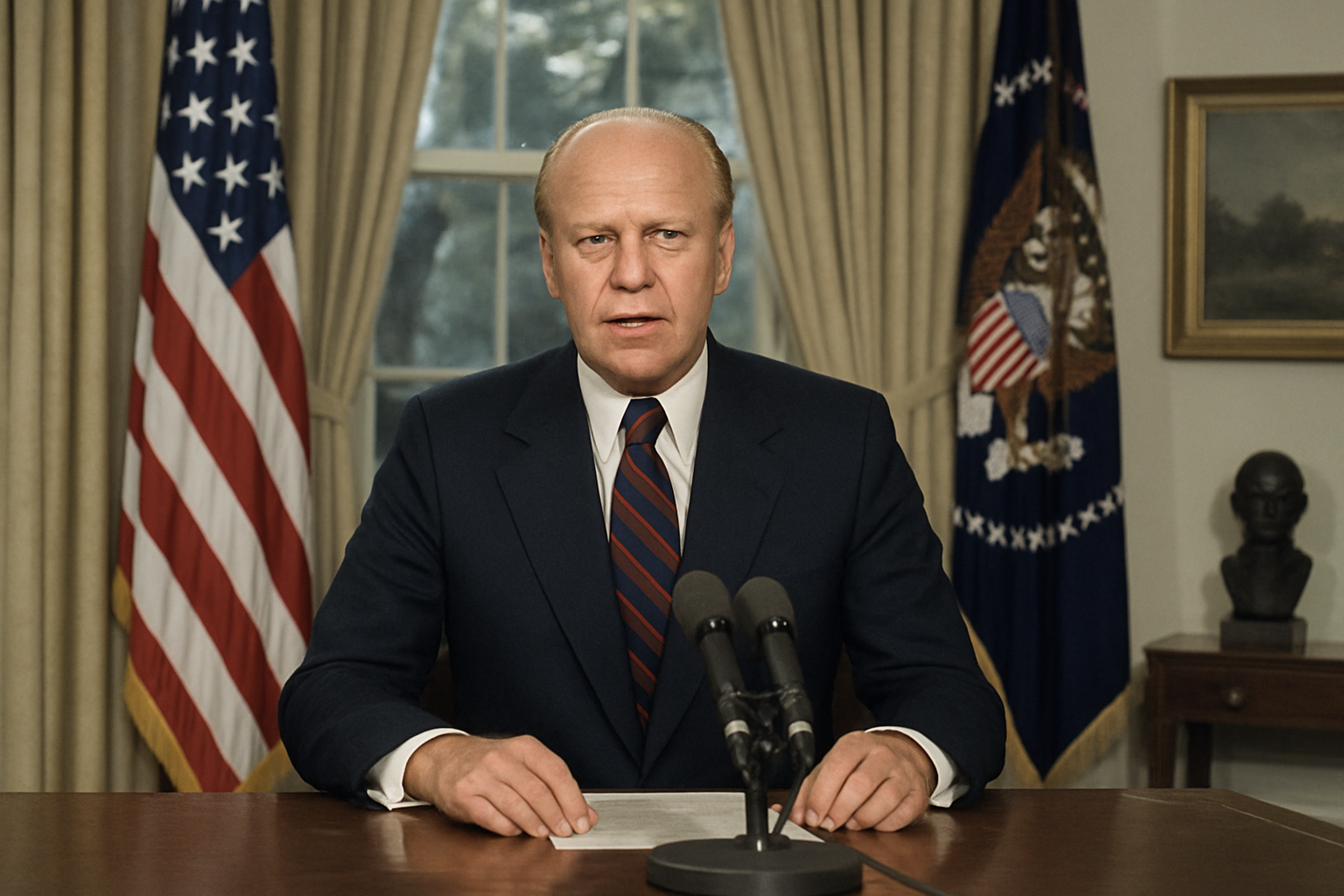
Sep 30, 2026
Why Gerald Ford Pardoned Richard Nixon
A month after Nixon resigned, Gerald Ford ended the prospect of a federal trial. The pardon was intended to move the country beyond Watergate, but it left a lasting argument over justice, mercy, and presidential power.
Read story →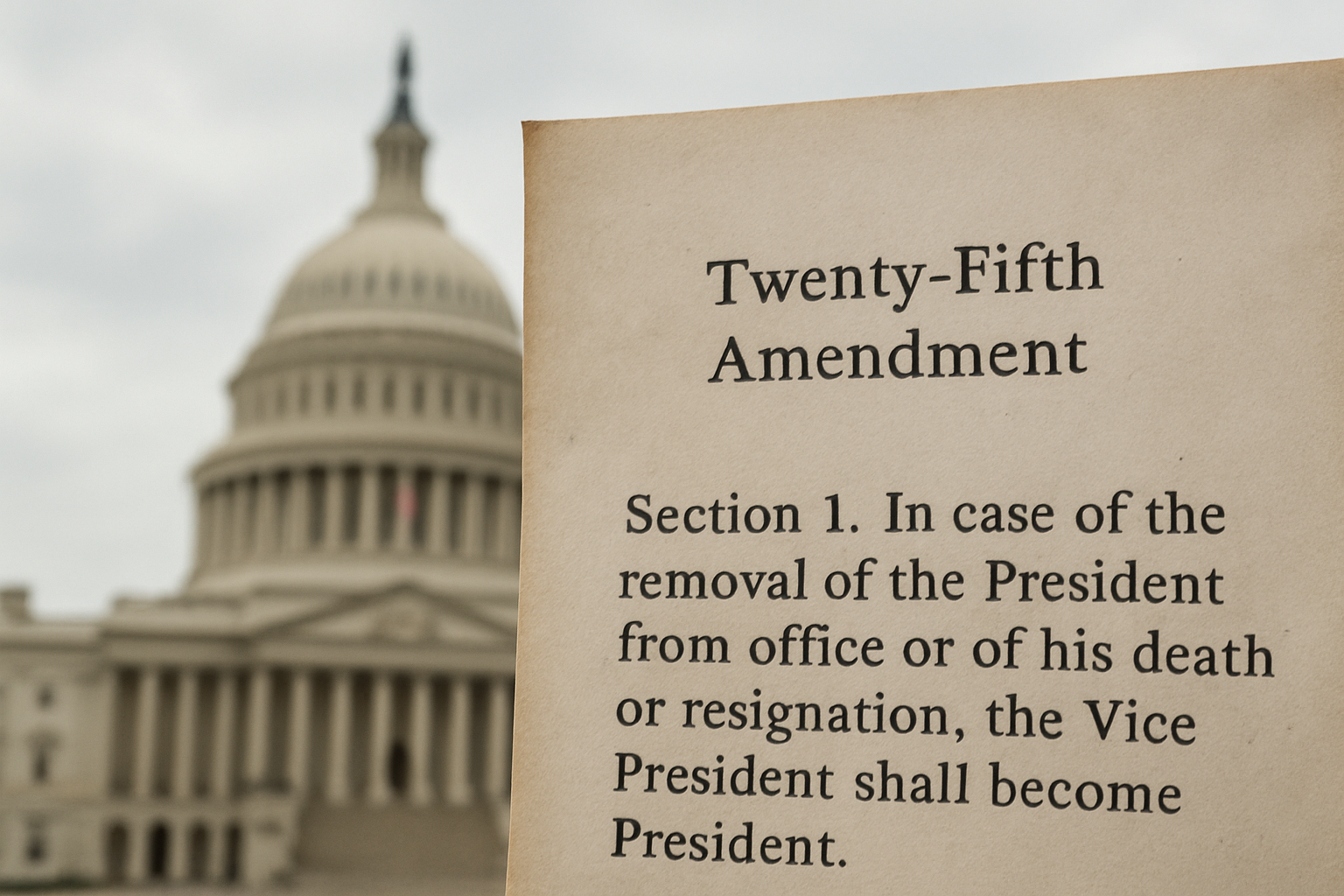
Sep 30, 2026
The 25th Amendment: What Happens When a President Cannot Serve?
For more than a century, presidential succession depended on precedent and improvised arrangements. The 25th Amendment created a constitutional process for vacancies and presidential inability.
Read story →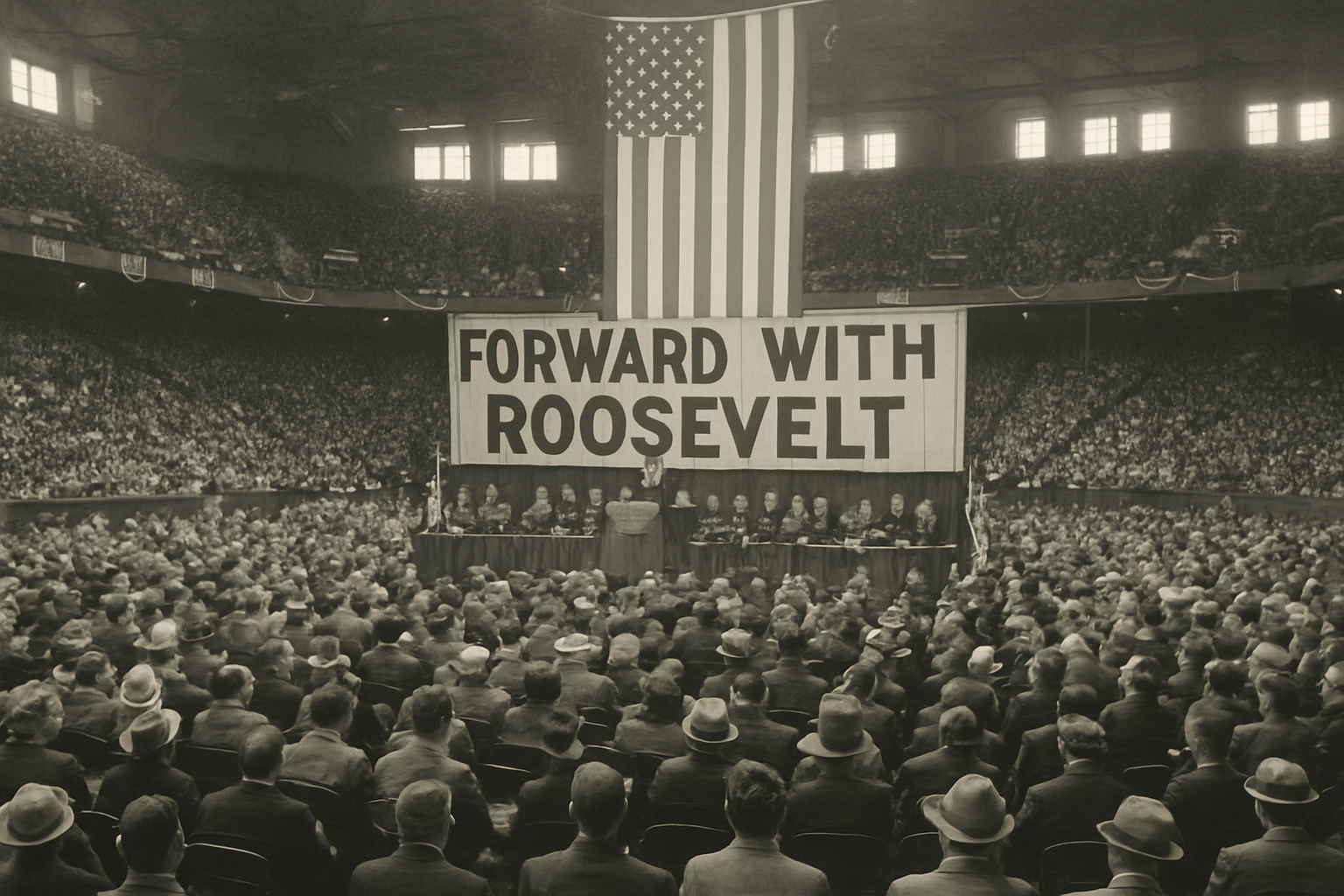
Sep 30, 2026
Why FDR Broke the Two-Term Tradition
In a country facing war abroad and an unfinished economic recovery at home, Franklin D. Roosevelt sought a third term. The political maneuver that won him the nomination also set off the backlash that produced the Twenty-Second Amendment.
Read story →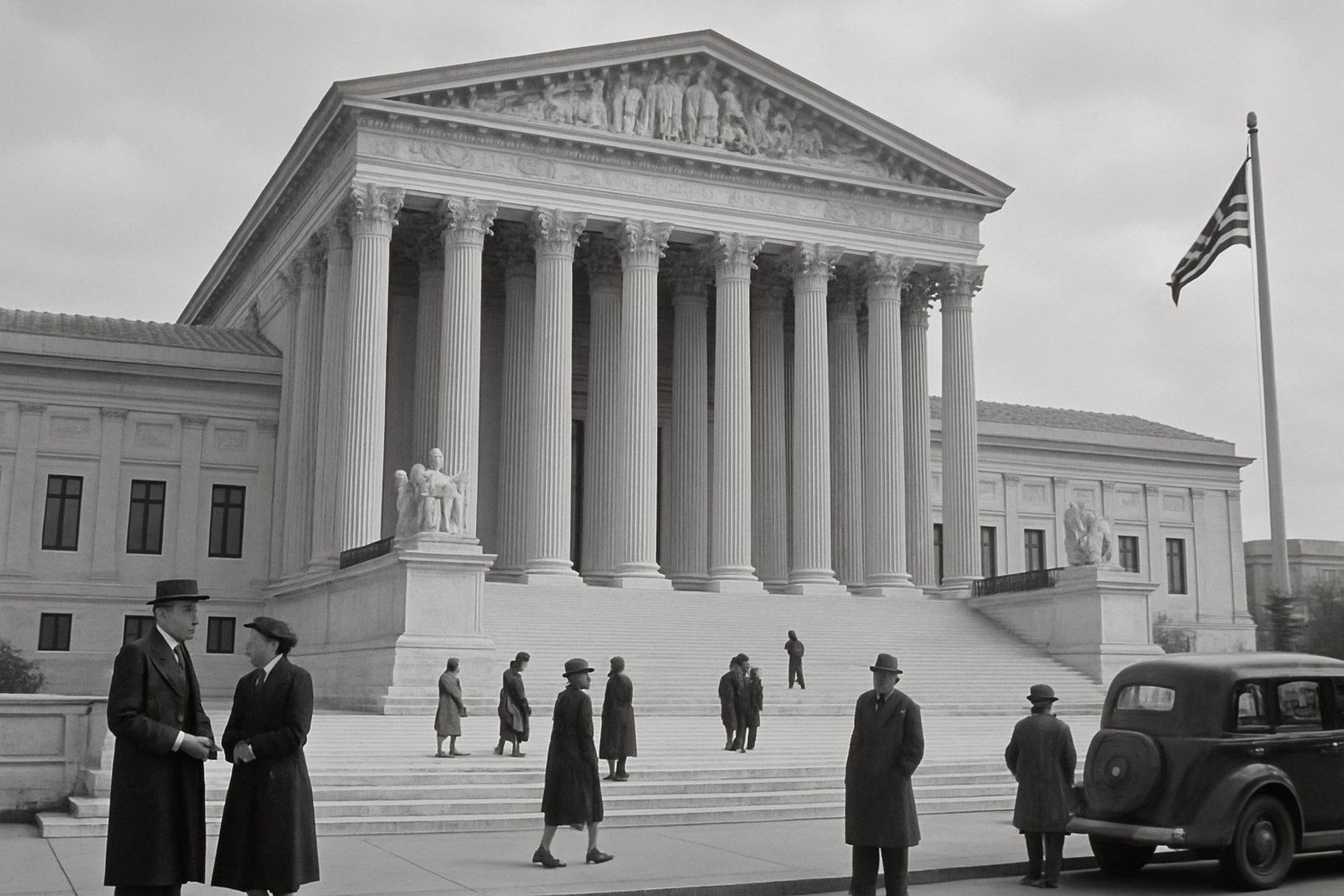
Sep 30, 2026
The Court-Packing Plan That Backfired on FDR
Franklin Roosevelt sought authority to add up to six Supreme Court justices in 1937. Congress rejected the plan, but later rulings and vacancies still reshaped the Court.
Read story →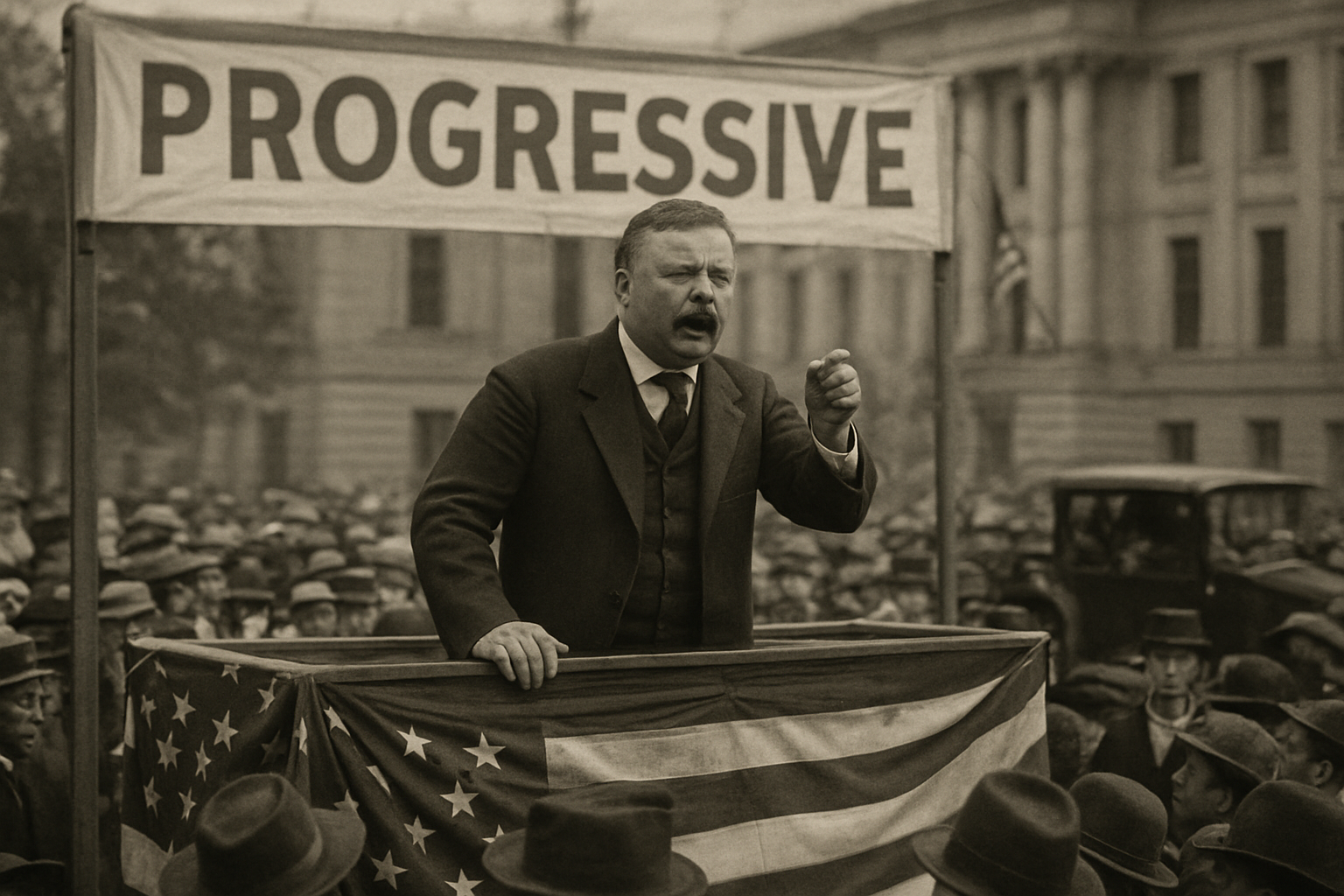
Sep 30, 2026
The 1912 Election: When a Former President Ran Again
Theodore Roosevelt’s break with William Howard Taft split the Republican Party in 1912, launched the Bull Moose Party, and helped open a path to the White House for Woodrow Wilson.
Read story →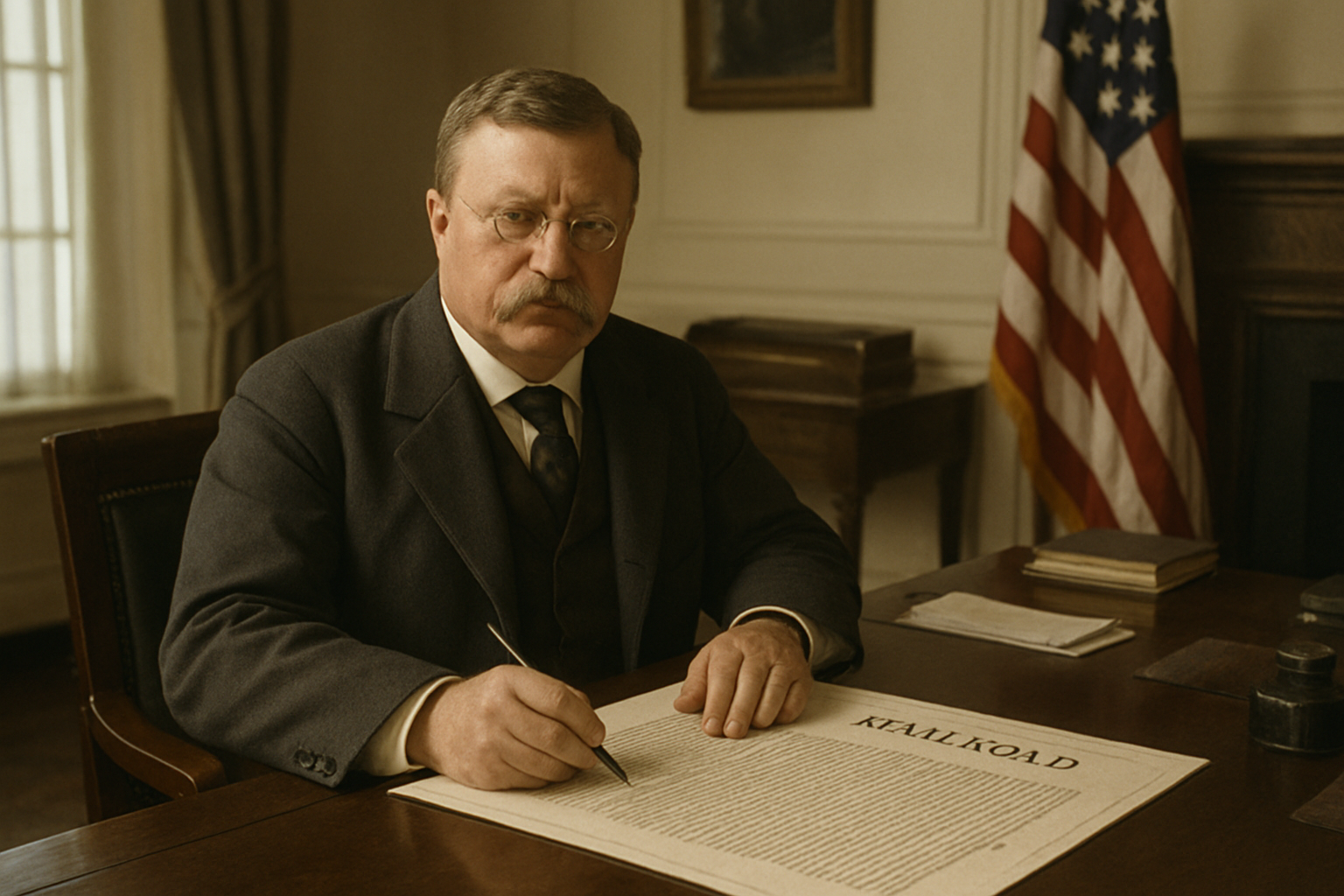
Sep 30, 2026
Theodore Roosevelt and the Fight Against Corporate Power
Theodore Roosevelt did not seek to eliminate every large corporation. Through antitrust cases, coal-strike mediation, corporate investigations, and railroad regulation, he asserted that private power had to answer to the public.
Read story →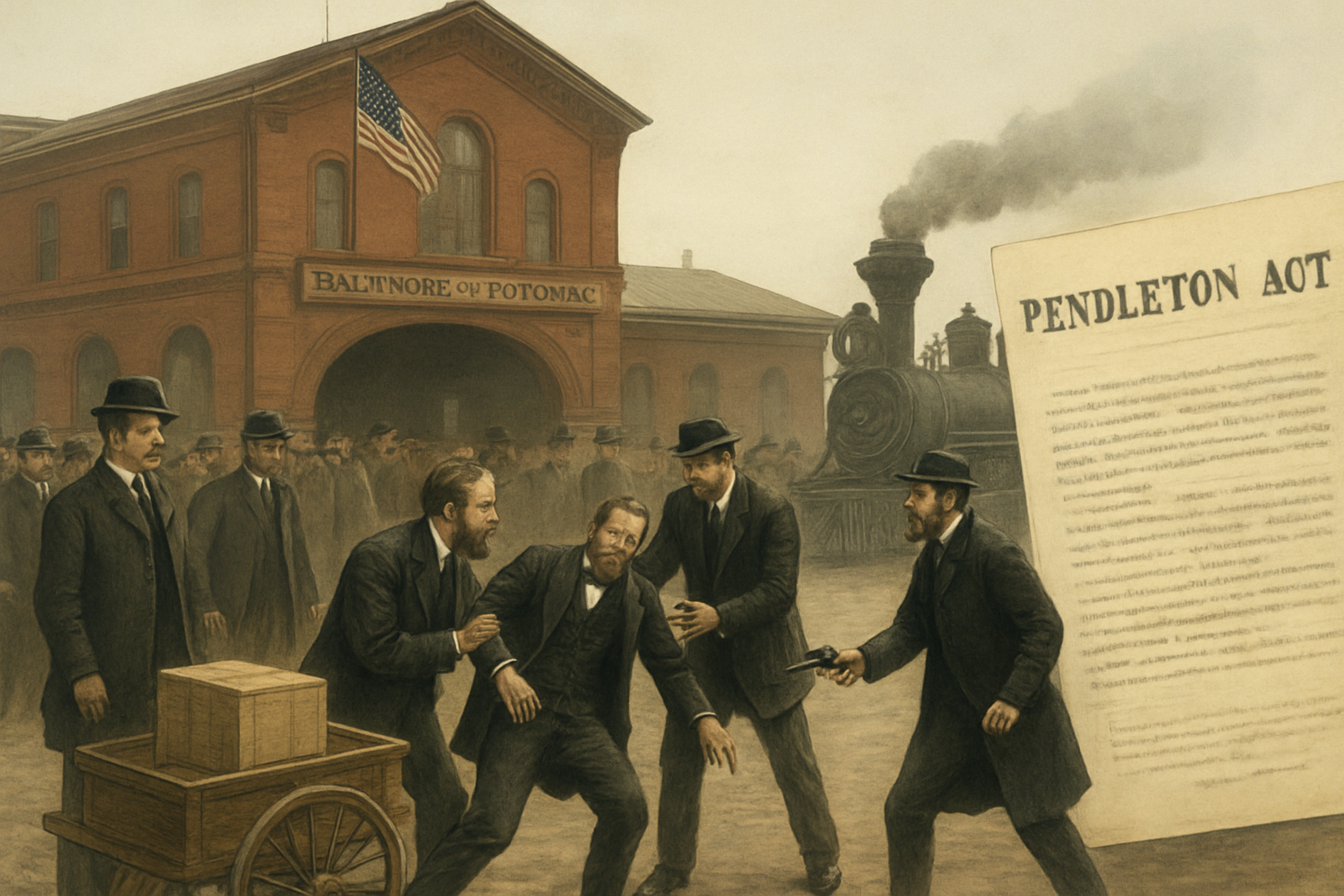
Sep 30, 2026
How Garfield’s Assassination Helped Spur Civil Service Reform
After Charles Guiteau shot President James A. Garfield in 1881 while seeking a federal appointment, the nation faced the consequences of a system that treated public jobs as political rewards. The Pendleton Act that followed began a long shift toward merit-based federal employment.
Read story →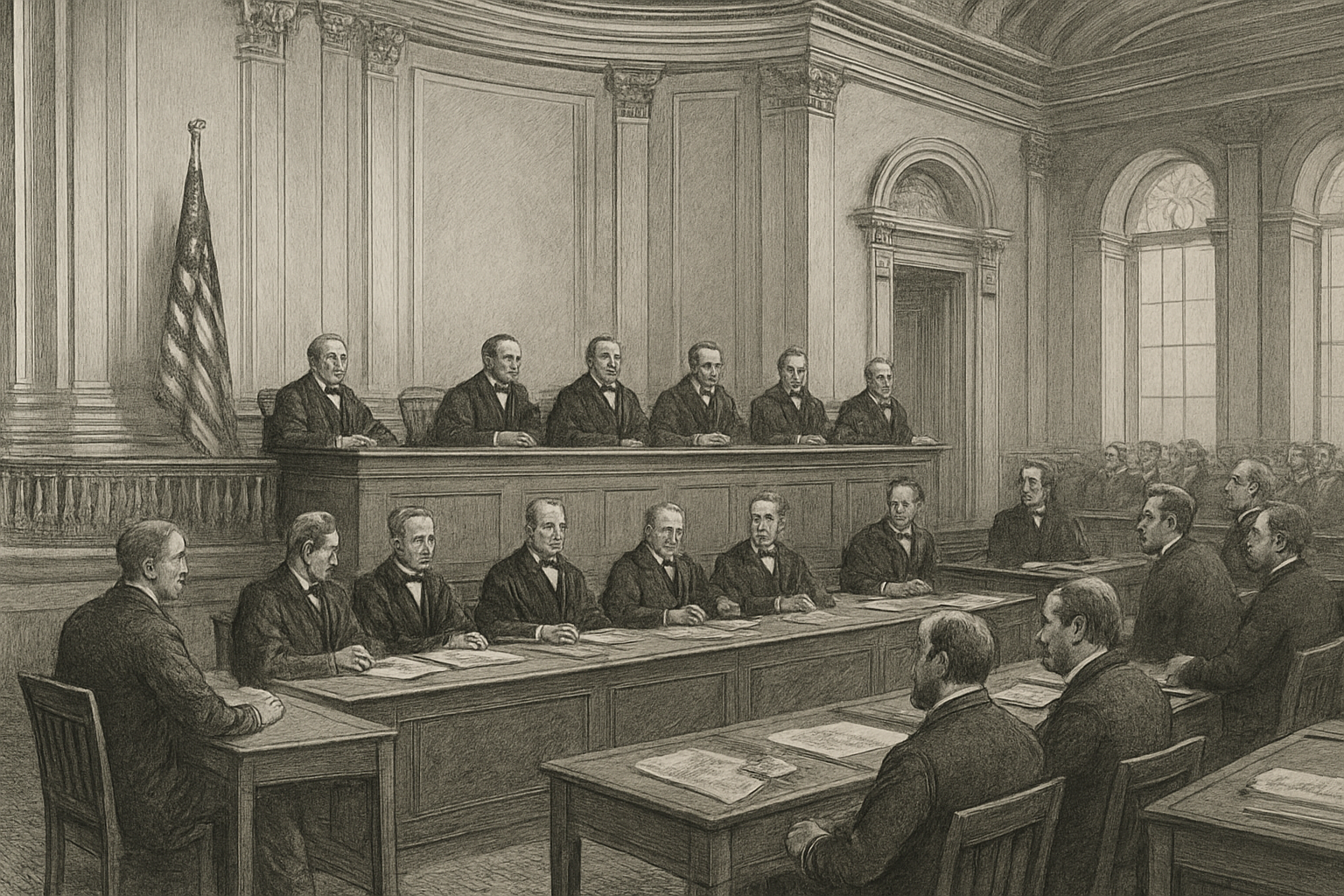
Sep 29, 2026
The Disputed Election of 1876
Samuel J. Tilden won the popular vote in 1876, but disputed returns in four states left the presidency unresolved. The settlement that installed Rutherford B. Hayes also brought Reconstruction’s final collapse closer.
Read story →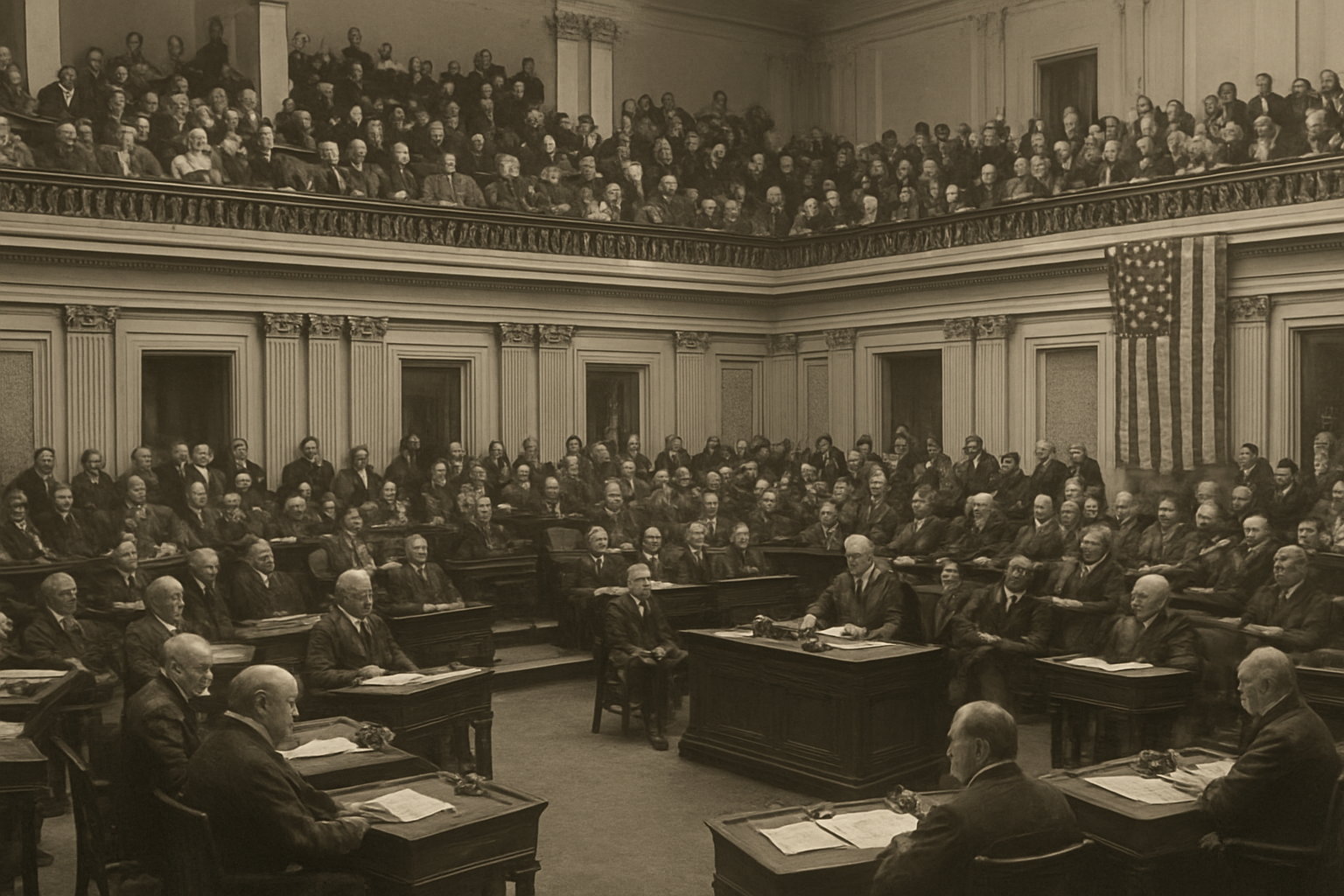
Sep 29, 2026
The Impeachment of Andrew Johnson: One Vote from Removal
Andrew Johnson’s first-of-its-kind impeachment trial ended one vote short of conviction. The result kept him in office but did little to resolve the struggle over Reconstruction.
Read story →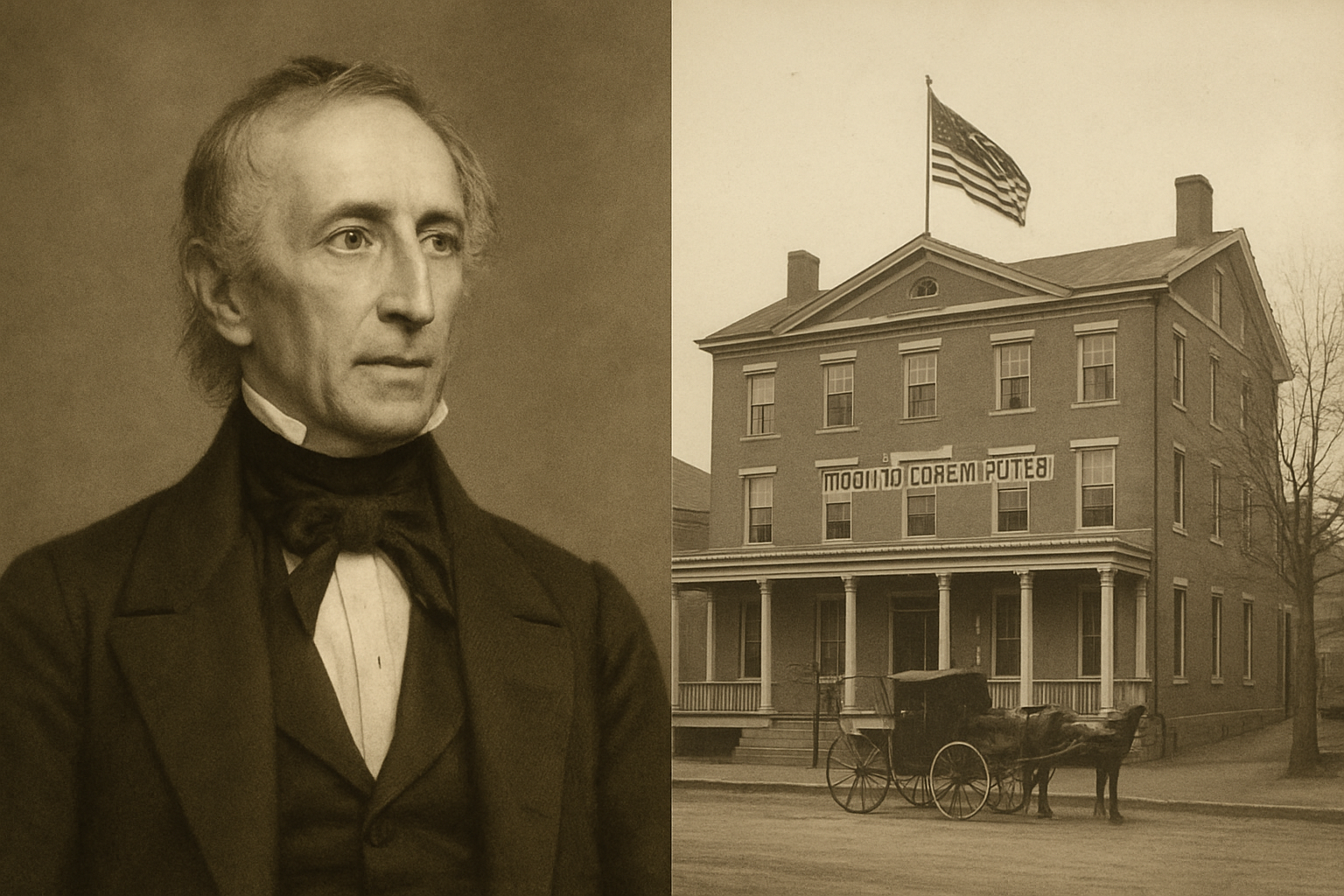
Sep 29, 2026
John Tyler and the Uncertain Rules of Presidential Succession
After William Henry Harrison died in 1841, John Tyler claimed the full presidency rather than a temporary role. His decision established a succession practice later written into the Twenty-fifth Amendment.
Read story →
Sep 29, 2026
Andrew Jackson’s War on the National Bank
Andrew Jackson’s 1832 veto of the Second Bank’s renewal did more than settle a banking dispute. It expanded the practical reach of the presidency and helped reshape the nation’s financial system.
Read story →
Sep 29, 2026
The Election of 1824 and the “Corrupt Bargain” Accusation
Andrew Jackson led the 1824 field in electoral and popular votes but fell short of a majority. When the House chose John Quincy Adams and Adams named Henry Clay secretary of state, Jackson’s supporters found the grievance that helped remake American politics.
Read story →
Sep 29, 2026
The Monroe Doctrine: A Warning with Lasting Consequences
The Monroe Doctrine began as a statement of principle during a moment of American weakness. Its later history shows how a warning against European intervention became a foundation for U.S. intervention in Latin America.
Read story →
Sep 29, 2026
The Duel Between Hamilton and Burr
The 1804 duel at Weehawken was the final act of a long political rivalry shaped by public reputation, partisan conflict, and a private code of honor.
Read story →
Sep 29, 2026
The Louisiana Purchase: Why Jefferson Took the Deal
Jefferson sent diplomats to Paris to protect access to New Orleans. France instead offered Louisiana, forcing him to weigh national security against his own constitutional doubts.
Read story →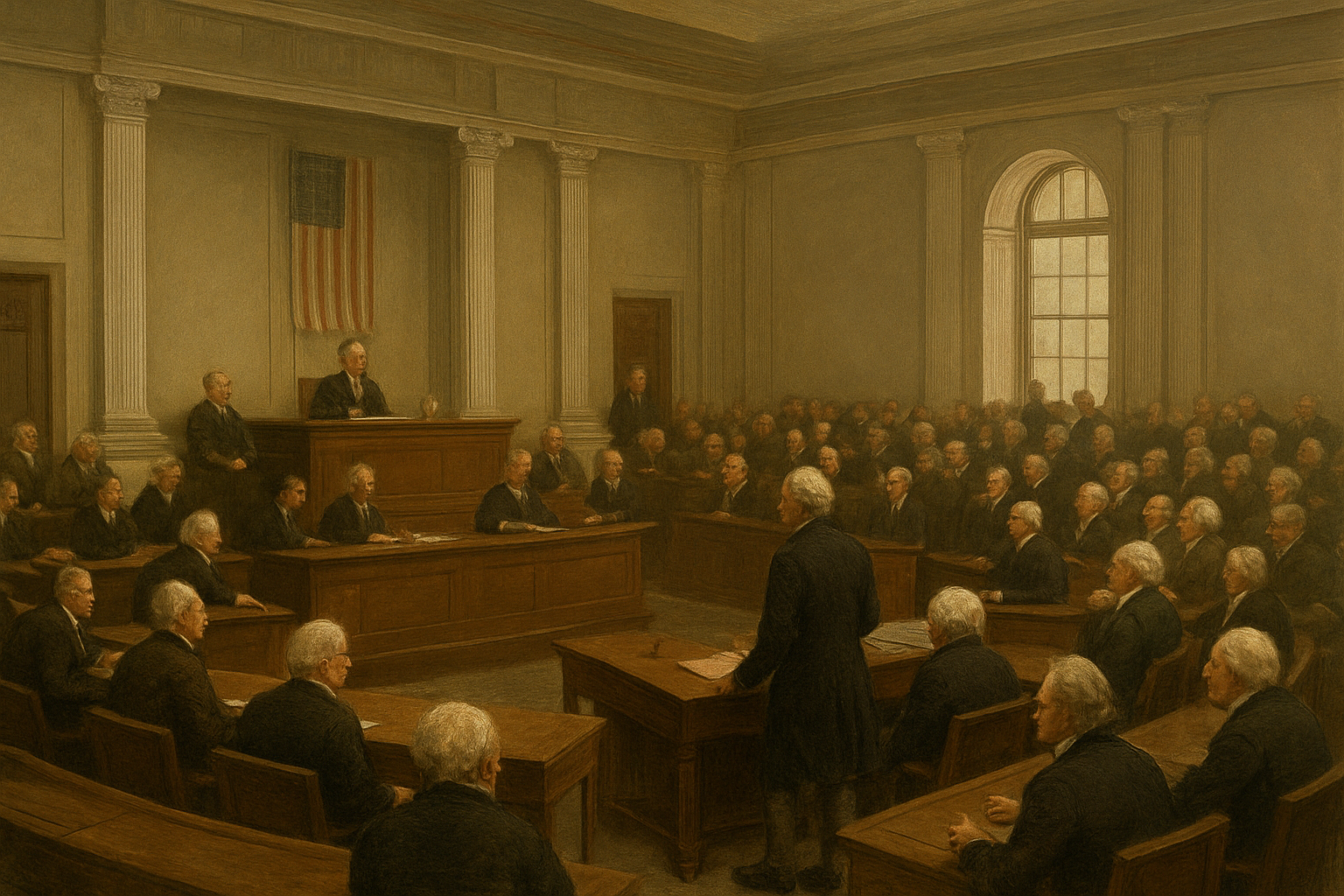
Sep 29, 2026
The Election of 1800: When the Presidency Went to the House
Thomas Jefferson and Aaron Burr tied in the Electoral College in 1800, sending the presidency to a Federalist-influenced lame-duck House—and exposing a flaw in the Constitution’s original election rules.
Read story →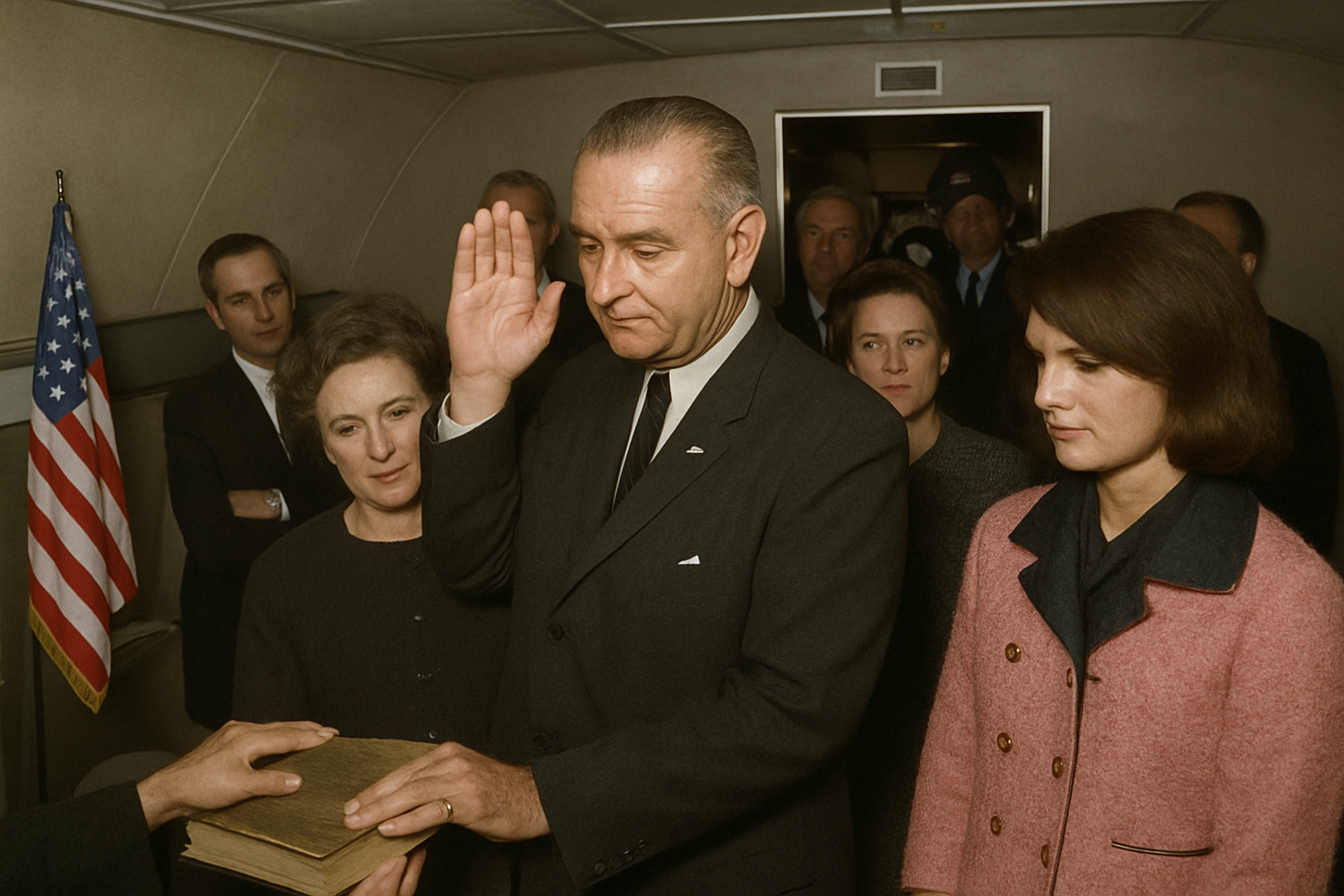
Sep 23, 2026
The Assassination of John F. Kennedy
John F. Kennedy’s murder did more than end a presidency. It forced an urgent transfer of power, helped change federal law, and left a public argument over evidence and trust that has lasted for decades.
Read story →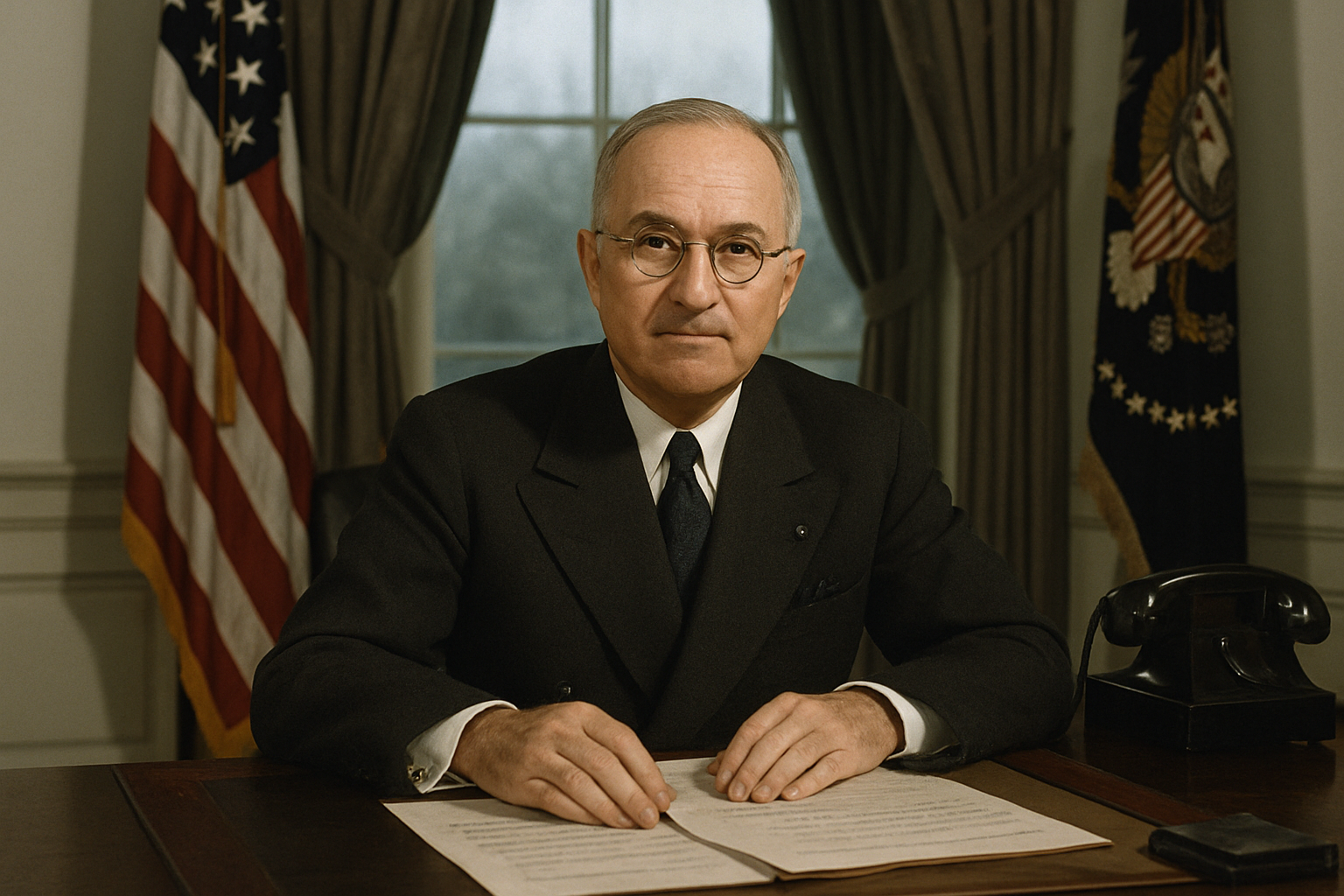
Sep 22, 2026
Why Harry Truman Decided to Use the Atomic Bomb
In the 116 days between taking office and Hiroshima, Harry Truman inherited a secret weapon, an invasion plan, and a rapidly closing set of wartime choices.
Read story →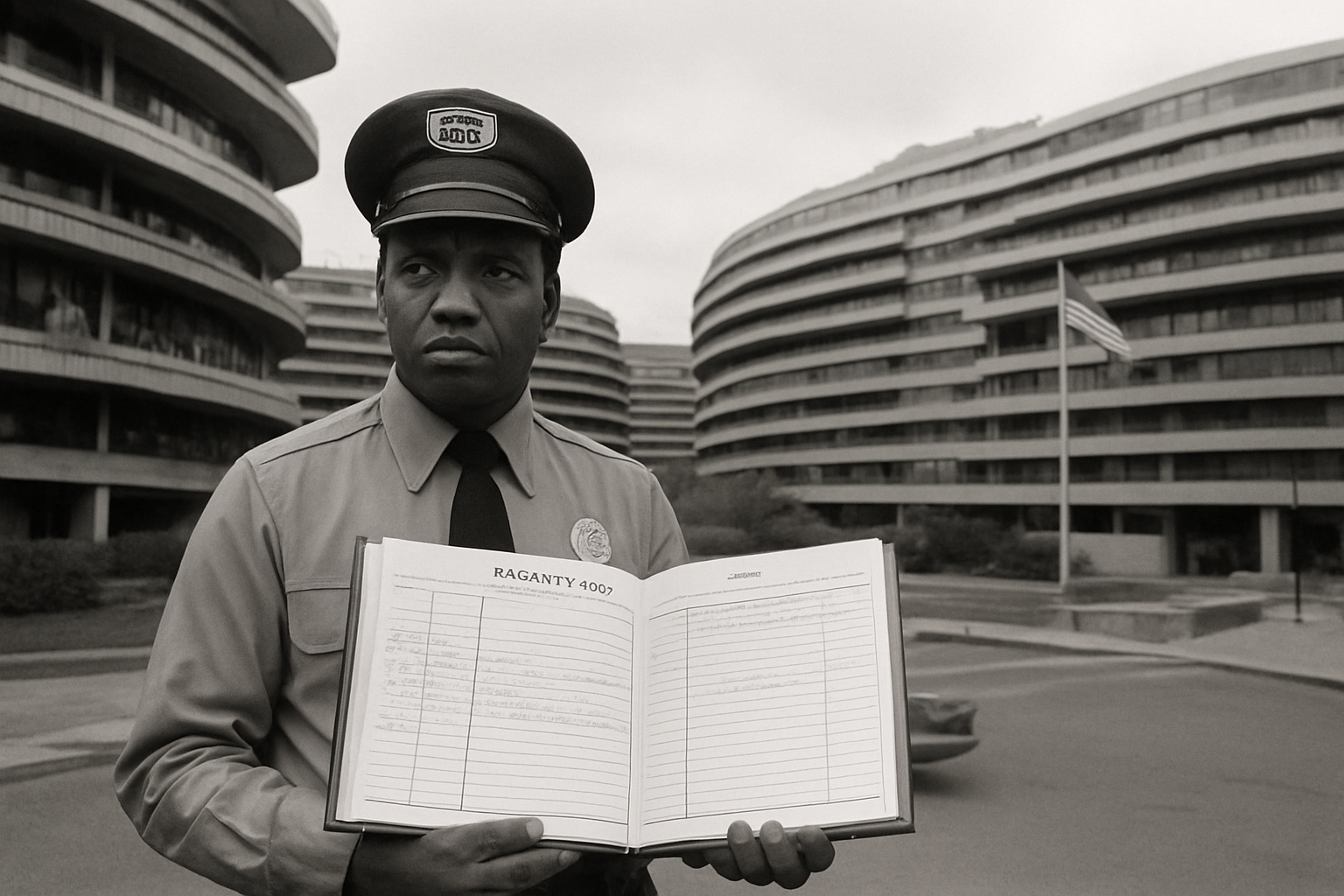
Sep 22, 2026
Richard Nixon and the Watergate Scandal
A break-in at Democratic National Committee headquarters grew into a constitutional crisis when White House tapes revealed an effort to obstruct the investigation.
Read story →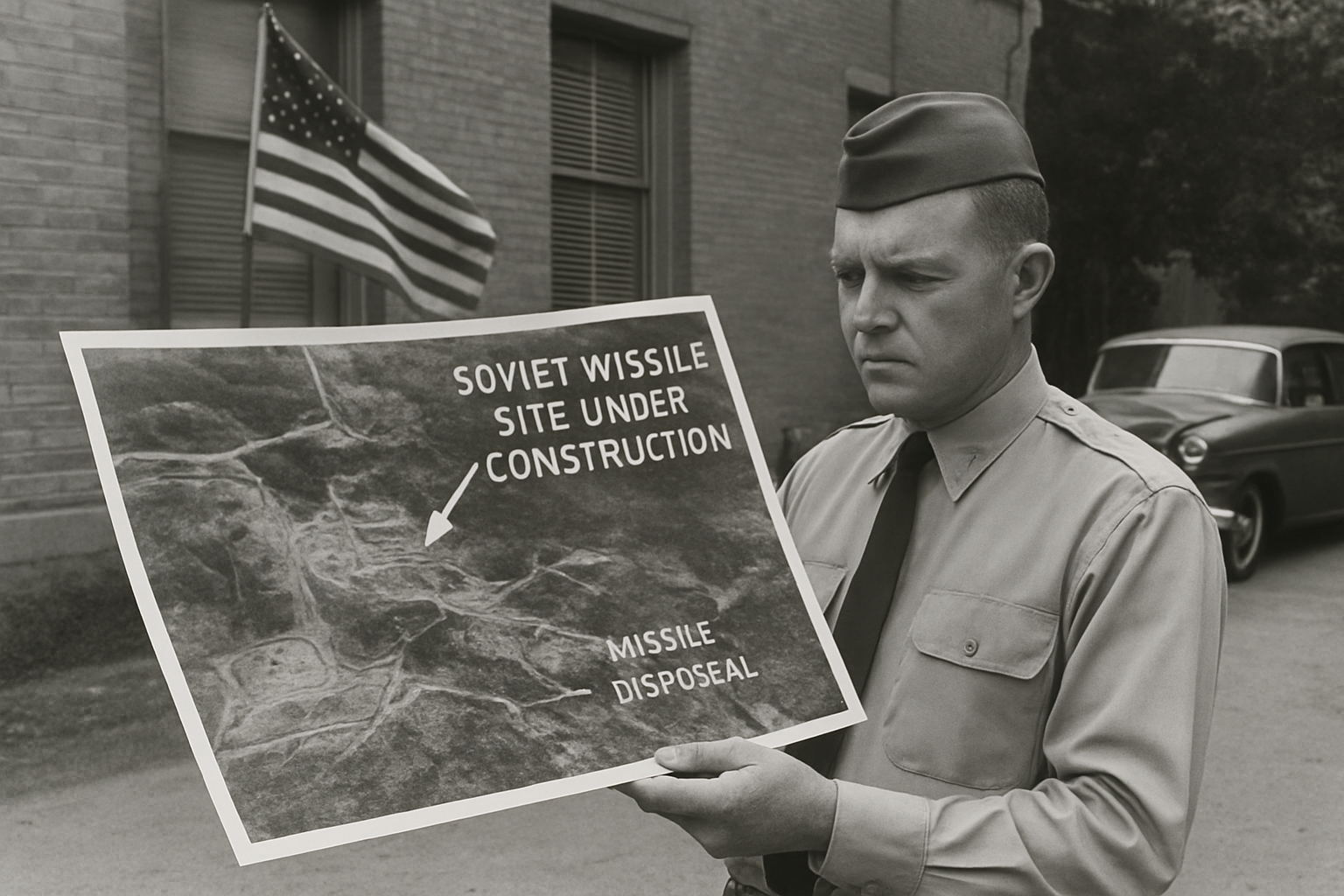
Sep 22, 2026
John F. Kennedy and the Cuban Missile Crisis
John F. Kennedy did not simply force the Soviet Union out of Cuba. During thirteen dangerous days, he rejected immediate invasion, imposed a naval quarantine, and accepted a secret reciprocal concession that helped end the crisis.
Read story →
Sep 22, 2026
The Truman Doctrine and the Beginning of Containment
In March 1947, Harry Truman asked Congress to support Greece and Turkey after Britain said it could no longer do so. The aid package was limited in size, but the principle behind it changed the reach of American foreign policy for decades.
Read story →