DECISIONS THAT CHANGED THE COURSE
Turning Points
Moments when a decision, crisis or unexpected event pushed the United States onto a different path.
START HERE
A way into the subject.
Begin with the stories where a single decision or event changed what became possible next.
STORIES IN THIS TOPIC
Read the archive.
Sep 26, 2026
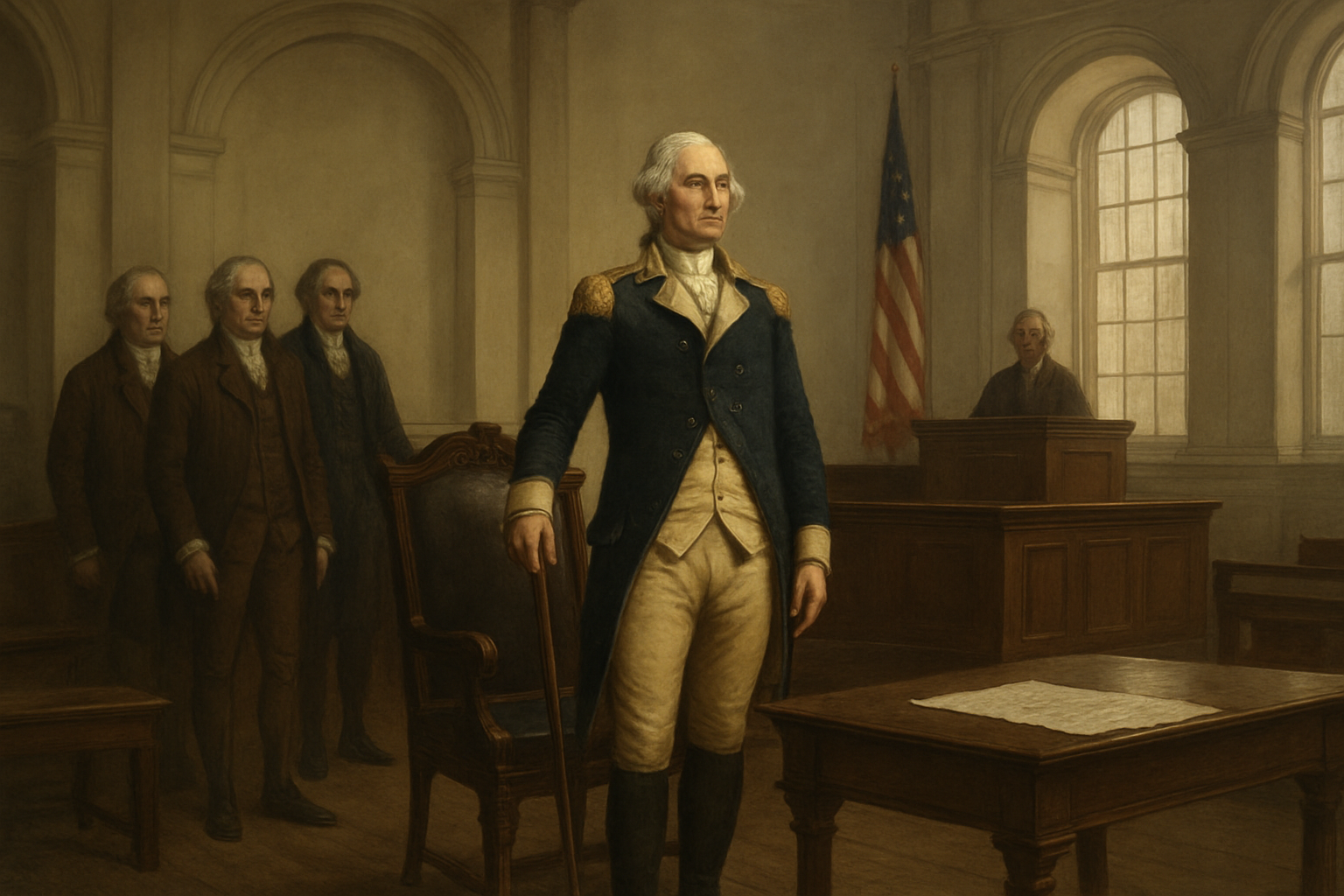
Why George Washington Walked Away from Power
George Washington was not forced from military command in 1783 or barred from a third presidential term in 1796. By walking away from power twice, he helped establish expectations that outlasted him.
Start with this story →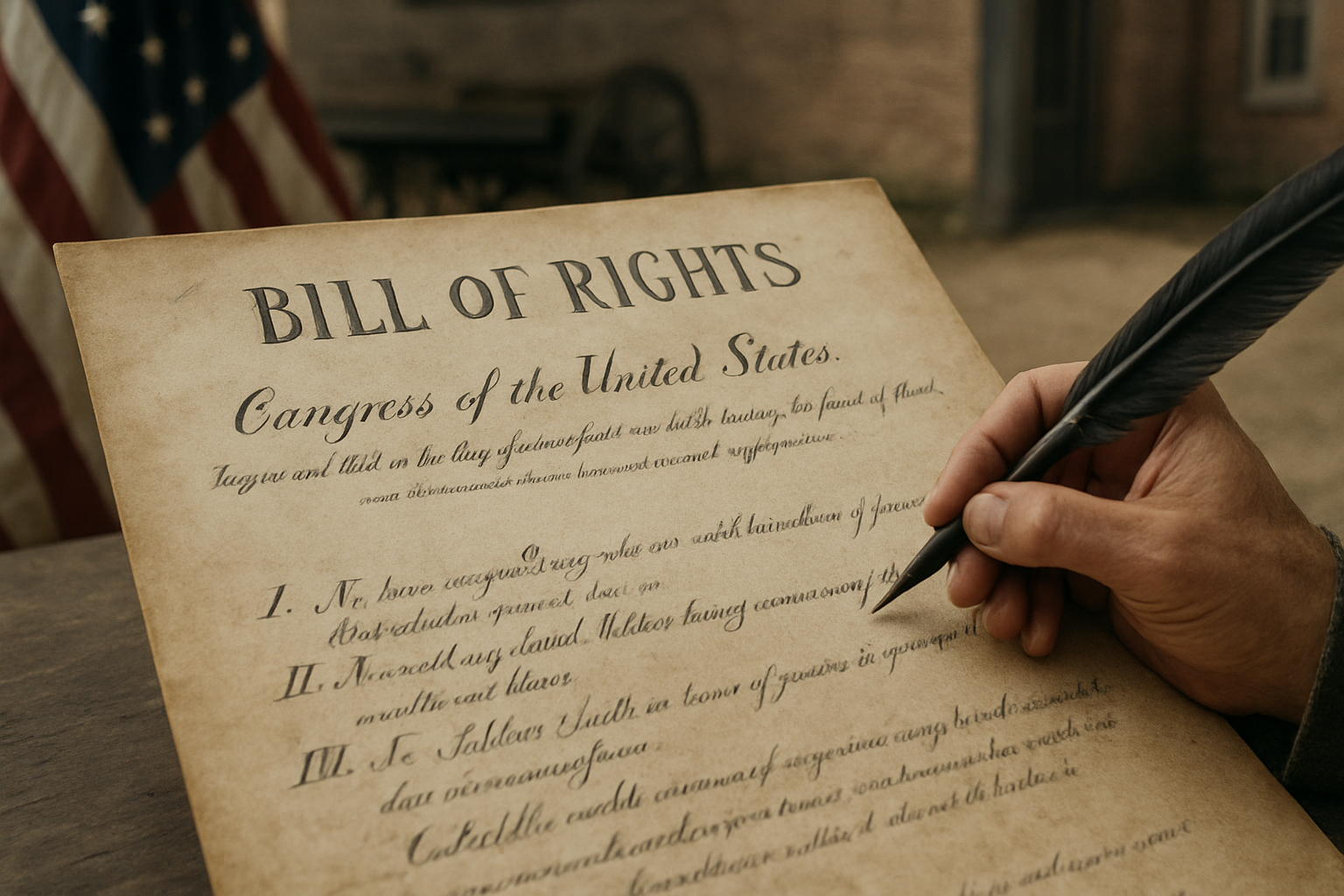
Sep 26, 2026
Why the Bill of Rights Was Added to the Constitution
The Constitution left Philadelphia in 1787 without a bill of rights. Two years later, James Madison was guiding rights amendments through Congress—an answer to fears that had nearly derailed ratification.
Read story →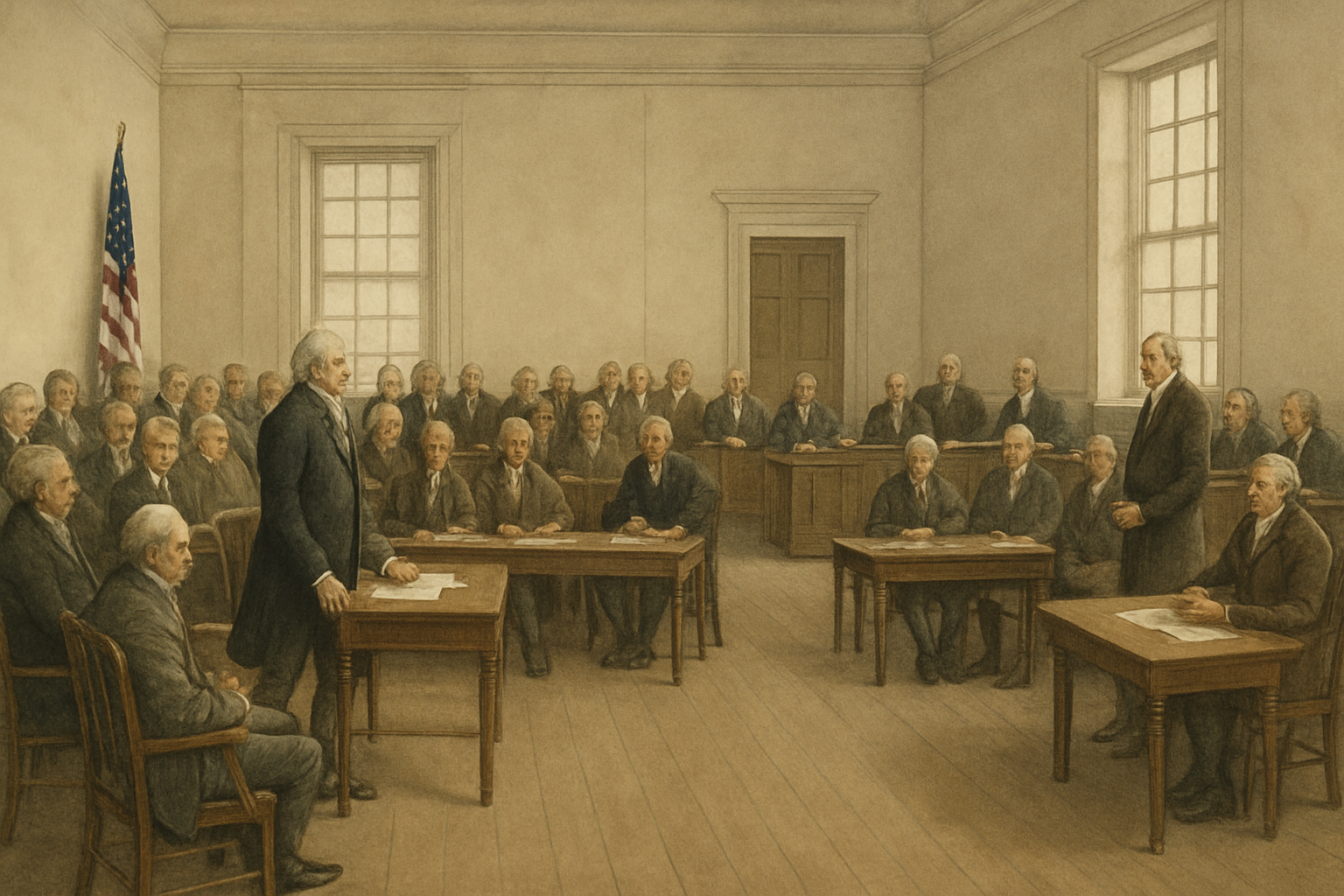
Sep 26, 2026
The Great Compromise: How Congress Got Two Chambers
The Great Compromise ended the Constitutional Convention’s bitter fight over representation by creating a House based on population and a Senate where every state held equal power.
Read story →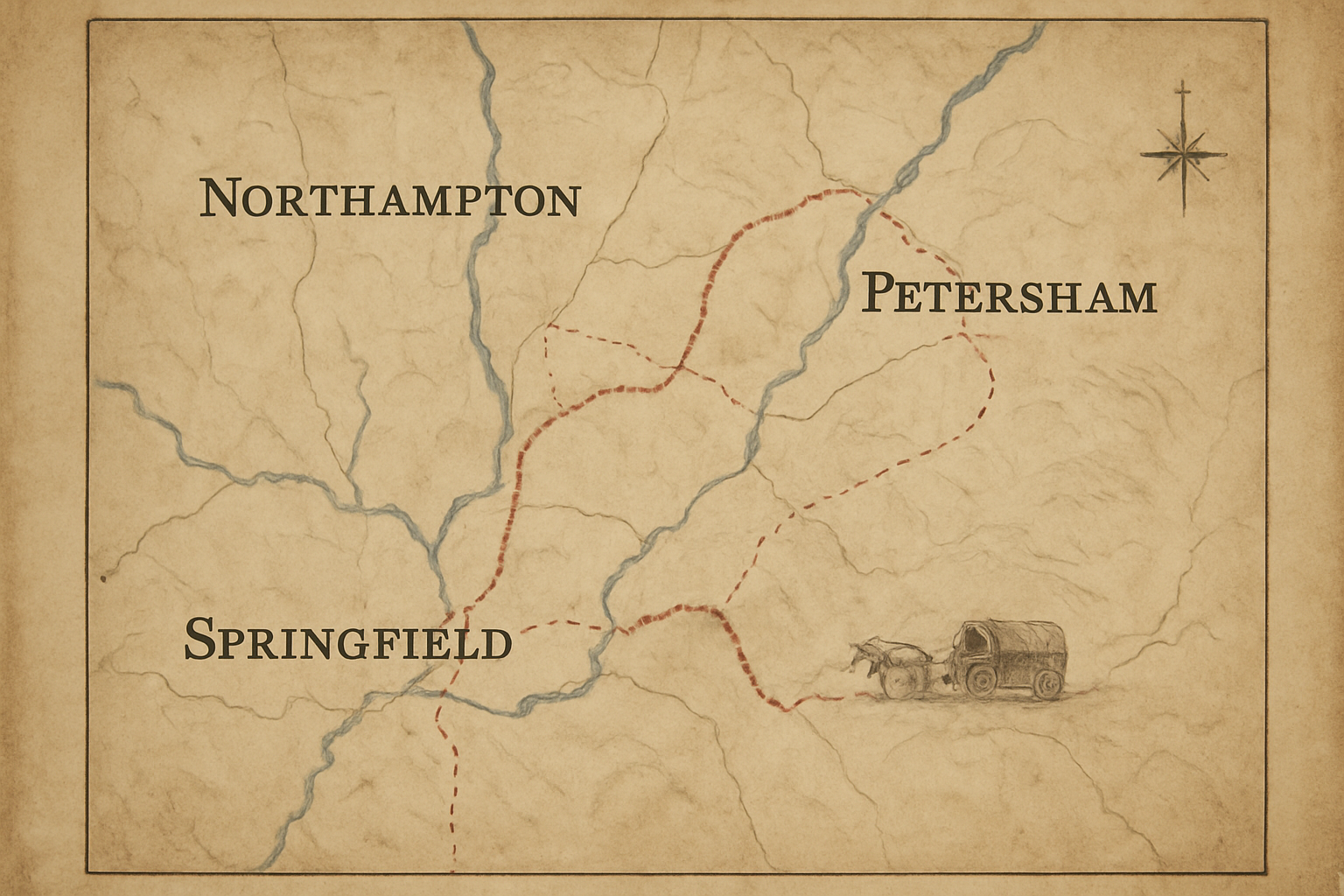
Sep 26, 2026
Shays’ Rebellion and the Fear of a Fragile Republic
When Massachusetts faced an uprising over debt, courts, and foreclosures in 1786, Congress could offer little help. A privately funded state militia restored order—and exposed the limits of the Articles of Confederation.
Read story →
Sep 26, 2026
Why the Articles of Confederation Struggled to Hold America Together
America’s first national framework was built to limit central power. After independence, Congress’s inability to tax, regulate trade, or enforce its decisions became impossible to ignore.
Read story →
Sep 25, 2026
Why July 4 Became America’s Independence Day
Congress voted for independence on July 2, 1776, but the Declaration approved and printed on July 4 gave Americans the date they would commemorate.
Read story →
Sep 25, 2026
Why Thomas Paine’s Common Sense Was So Powerful
Thomas Paine’s Common Sense reached readers when war had begun but independence was still disputed. Its plain language, attack on monarchy, and vision of self-government helped change the terms of the American Revolution.
Read story →
Sep 25, 2026
Paul Revere’s Ride: The Story Beyond the Legend
Paul Revere’s ride was real, dangerous, and important. It was also one part of a Patriot alarm system built to keep working if any one messenger was stopped.
Read story →
Sep 25, 2026
The Boston Massacre: What Happened Before the Gunfire?
The Boston Massacre did not begin with a command to fire. It grew from 18 months of military presence, contested work, customs enforcement, and street violence in Boston.
Read story →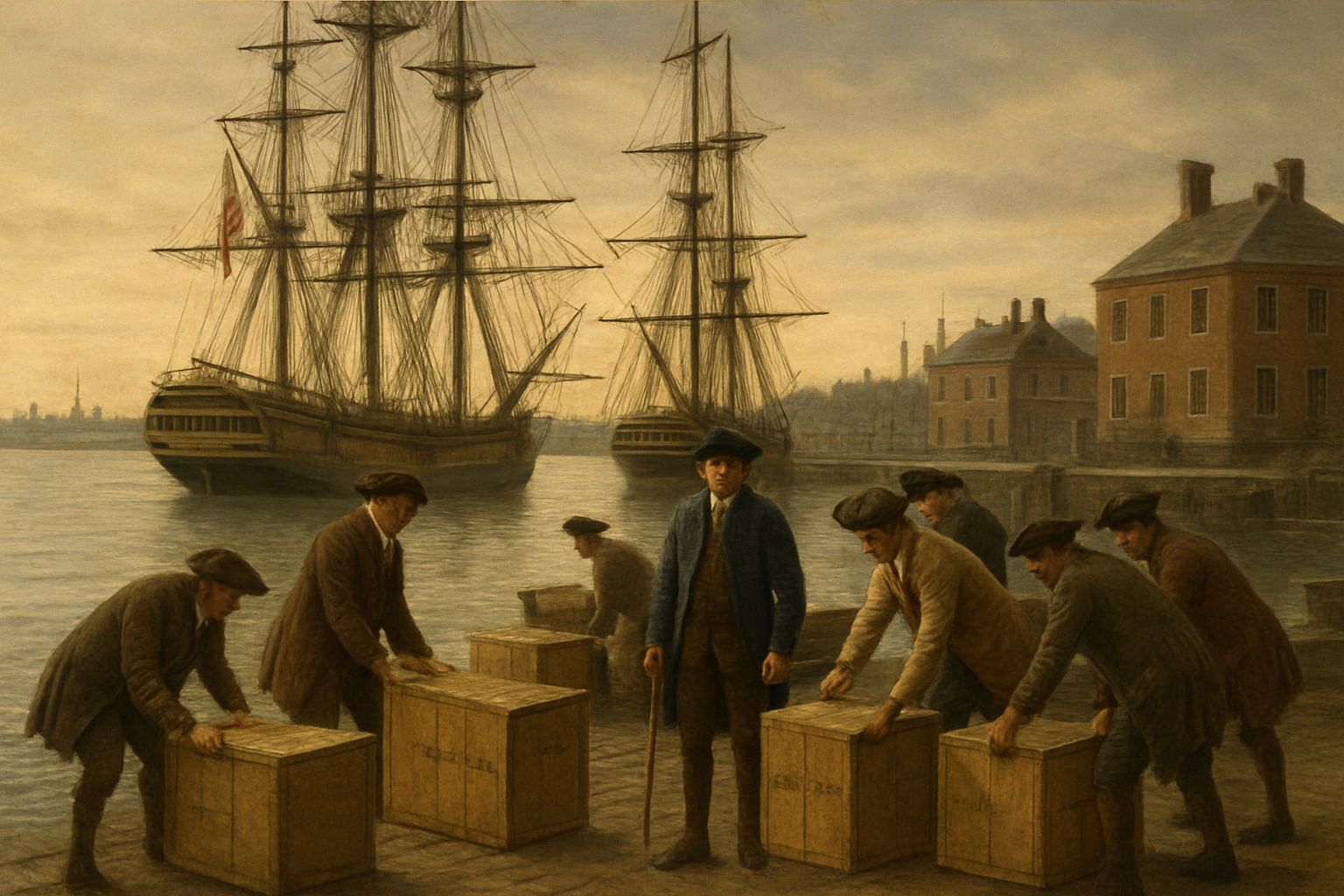
Sep 25, 2026
Why the Boston Tea Party Became a Turning Point
The Boston Tea Party mattered less because tea went into the harbor than because Britain answered the protest by punishing an entire province. That decision helped turn a Boston standoff into colonial cooperation and, soon, war.
Read story →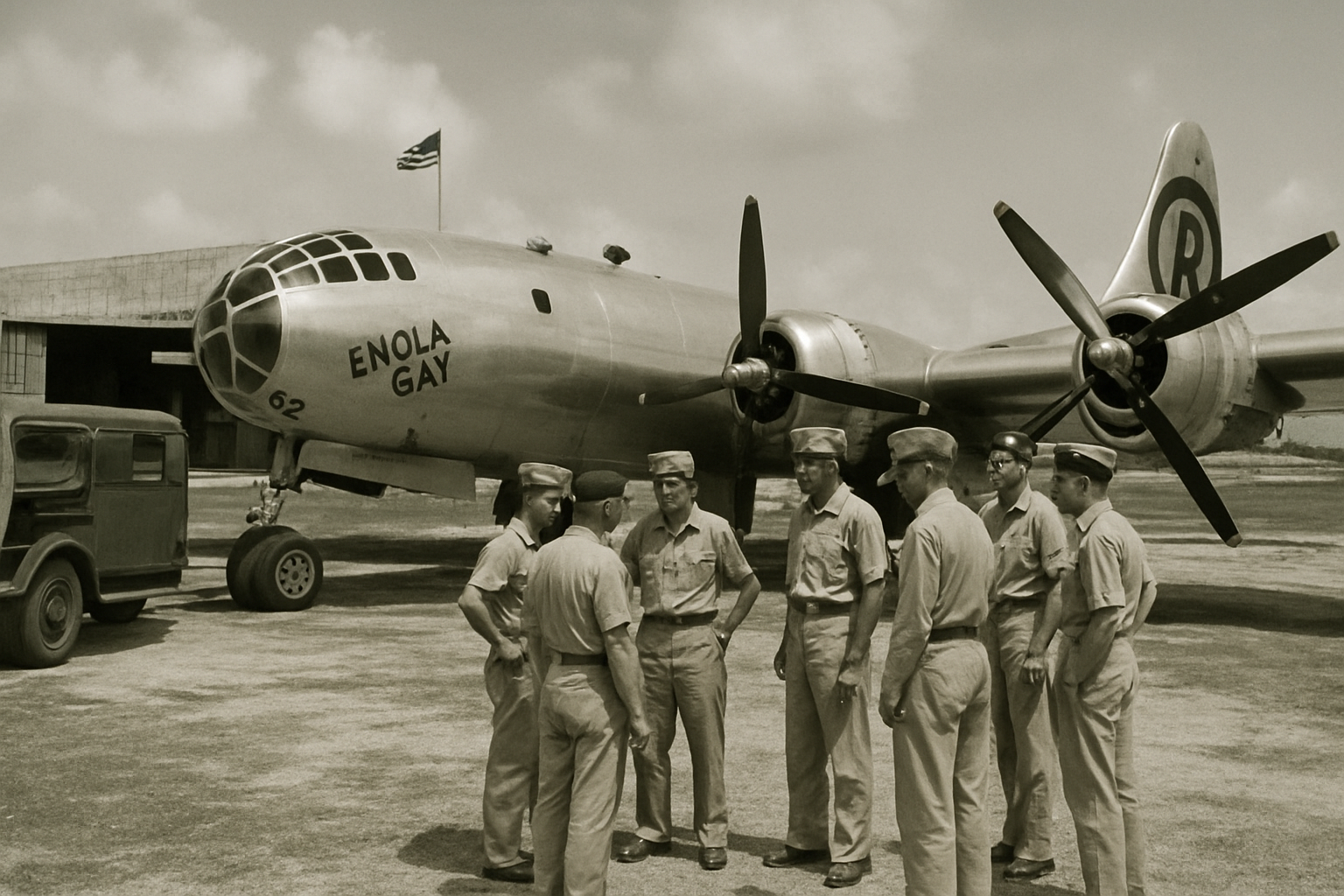
Sep 25, 2026
Hiroshima: What Happened on August 6, 1945?
On August 6, 1945, the Enola Gay dropped Little Boy over Hiroshima. The atomic attack killed tens of thousands, devastated the city, and transformed the final days of World War II.
Read story →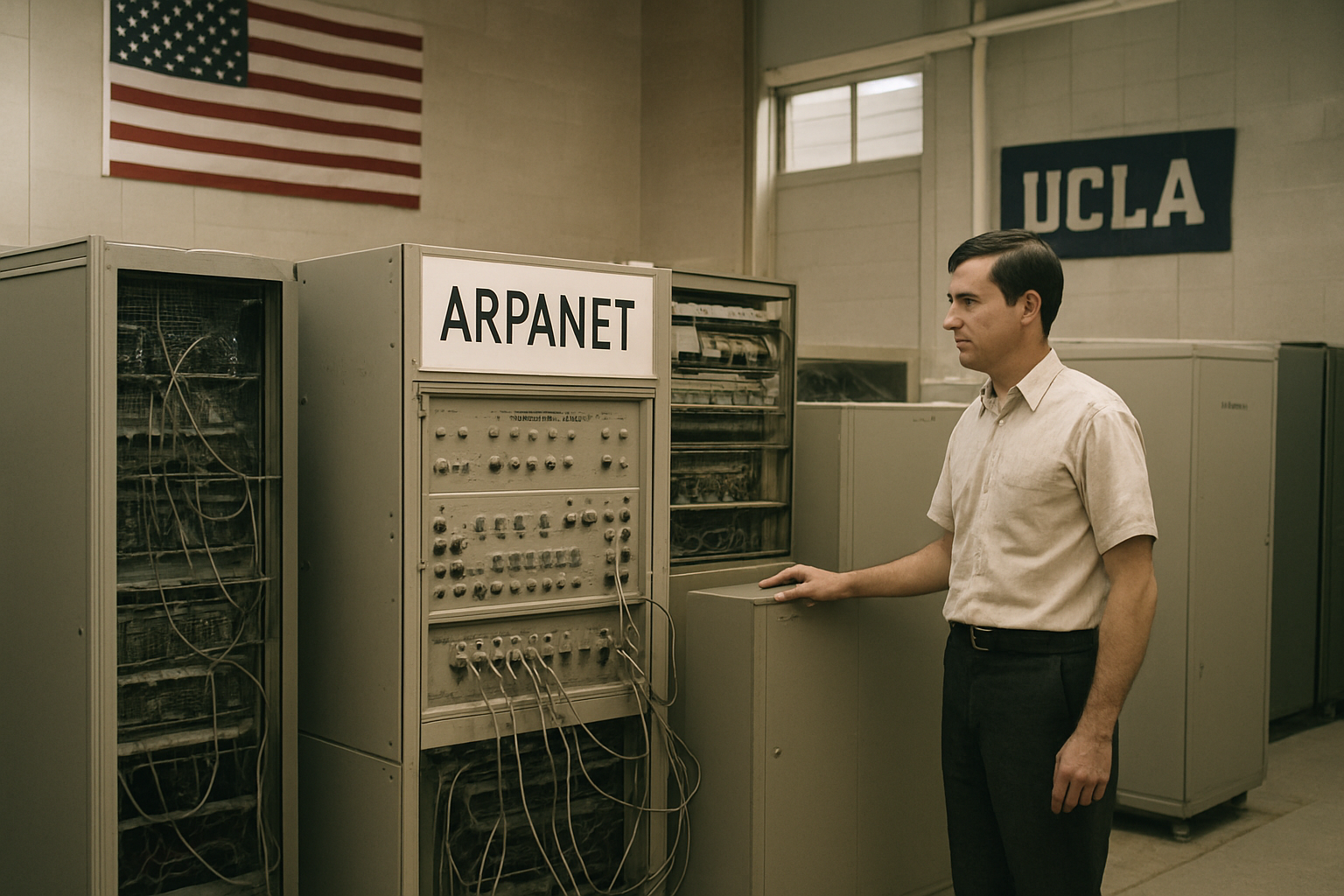
Sep 25, 2026
How the Internet Began as a U.S. Defense Research Project
ARPANET began as a practical effort to share costly research computers, not as a nuclear command network. Its lasting contribution was a set of technical rules that let independent networks communicate.
Read story →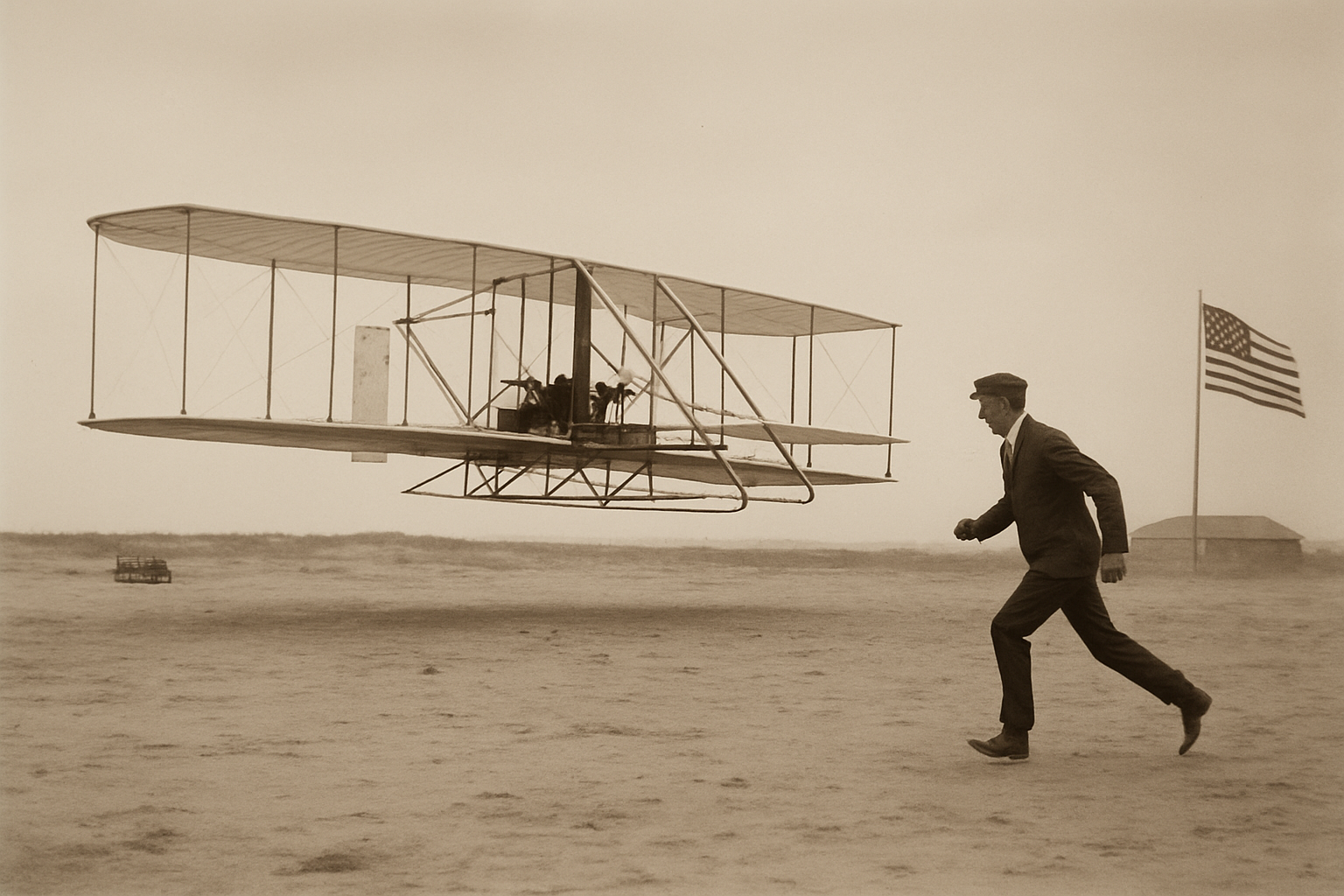
Sep 25, 2026
The Wright Brothers and the Birth of Powered Flight
The Wright brothers’ breakthrough was not simply an engine. Wind-tunnel testing and a practical system of pilot control made the 1903 Flyer work.
Read story →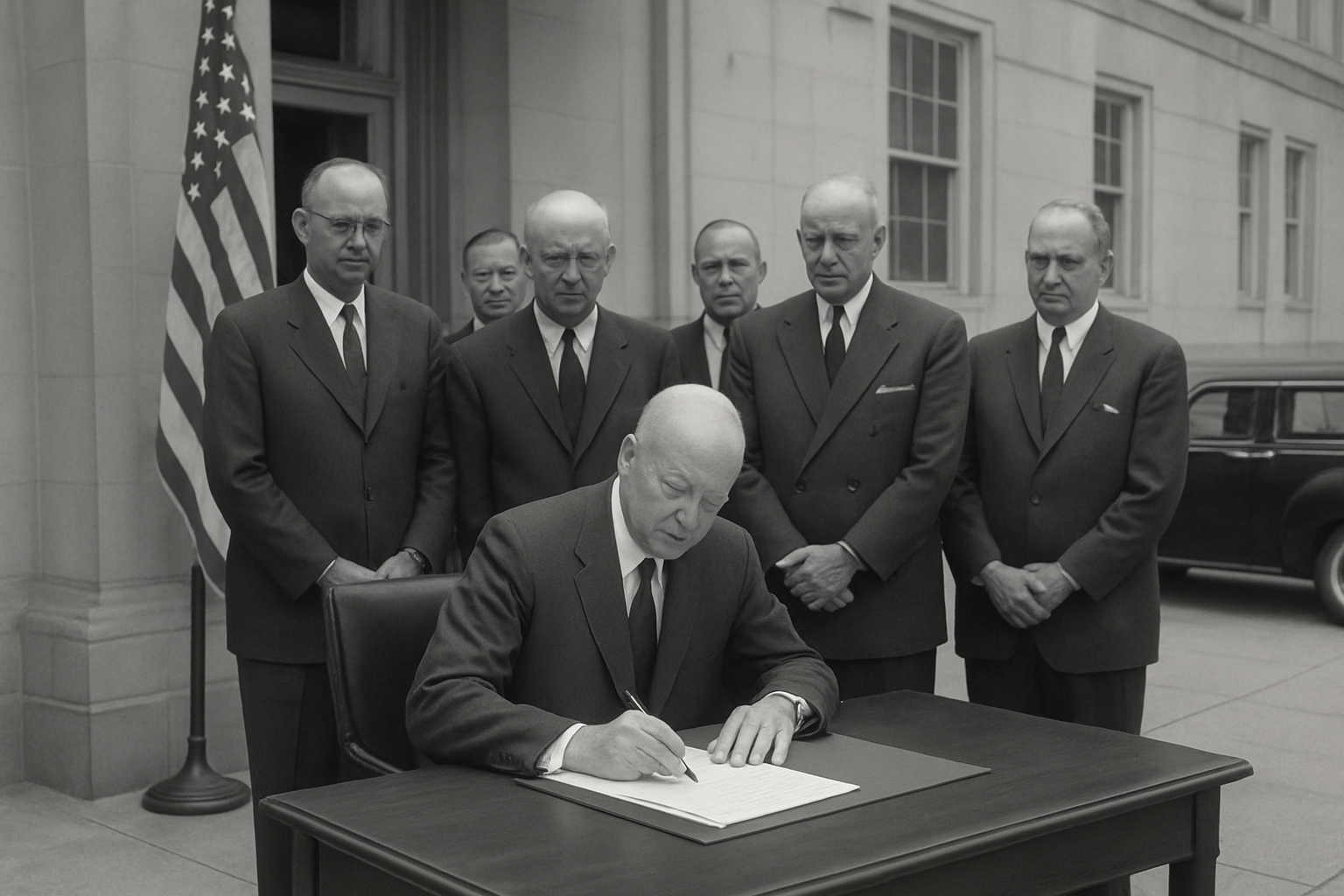
Sep 25, 2026
How the Interstate Highway System Changed America
The Federal-Aid Highway Act of 1956 created the financial machinery for a national interstate network. It changed travel, freight, and suburban development while leaving deep scars in many urban neighborhoods.
Read story →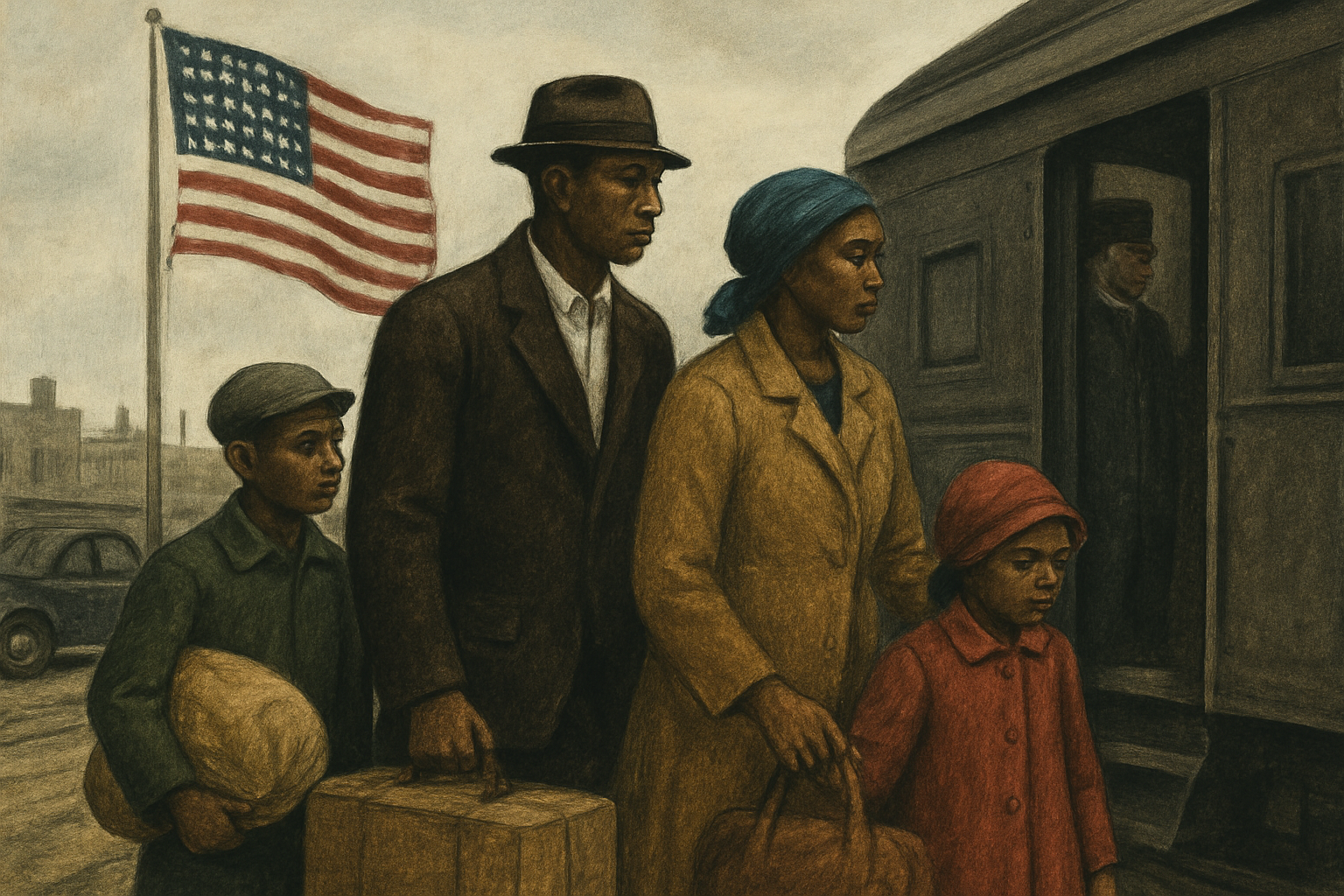
Sep 25, 2026
The Great Migration: How Millions of Black Americans Reshaped U.S. Cities
About six million Black Americans left the Jim Crow South during the Great Migration. Their decisions reshaped American cities while exposing the limits of northern racial equality.
Read story →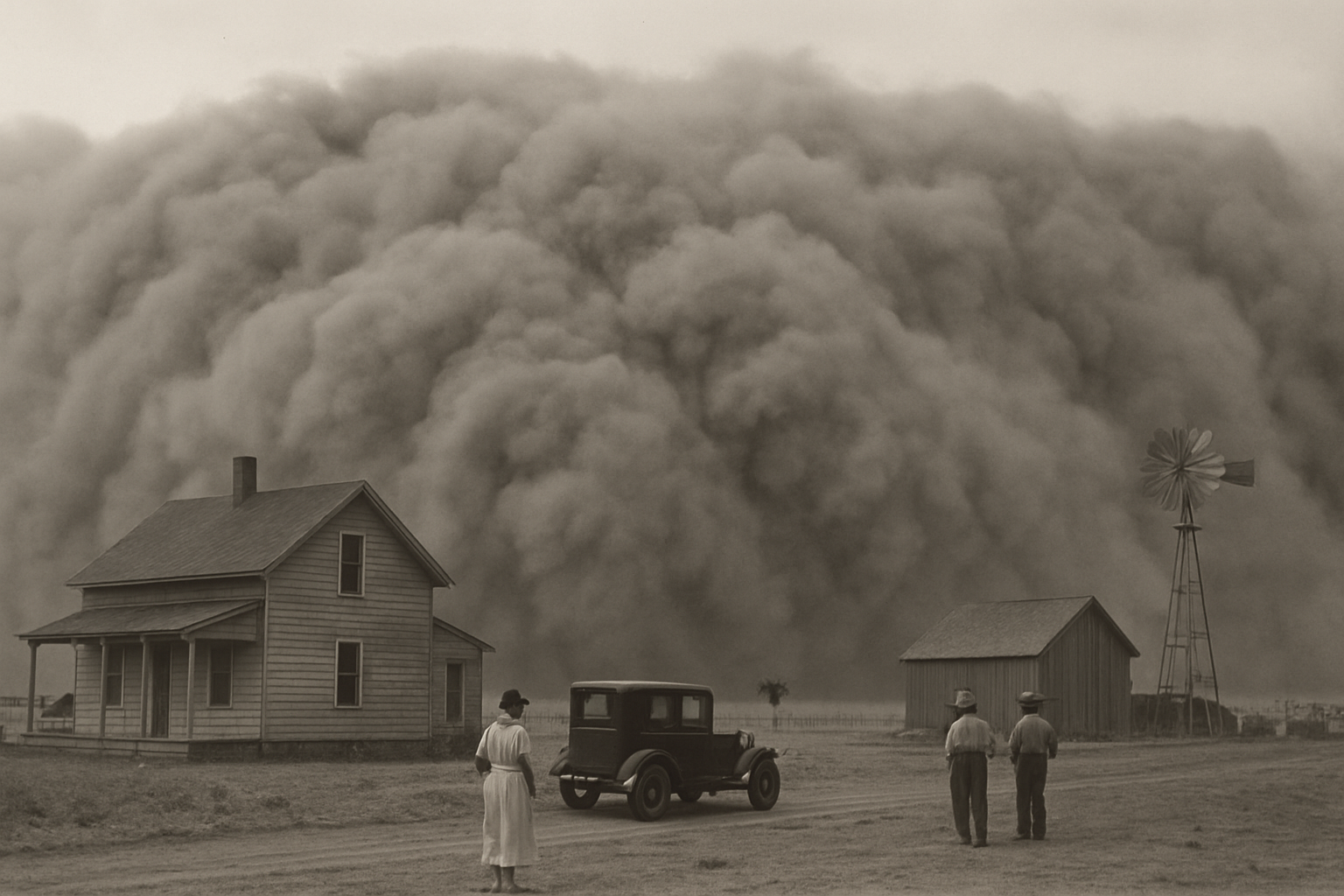
Sep 25, 2026
The Dust Bowl: America's Environmental Catastrophe
In the 1930s, drought and extensive plowing left Great Plains soil exposed to the wind. The Dust Bowl displaced families and led to a lasting federal commitment to soil conservation.
Read story →
Sep 24, 2026
Executive Order 9066 and Japanese American Internment
Executive Order 9066 did not name Japanese Americans, but it gave the military authority used to remove and incarcerate more than 120,000 people. The federal government formally apologized decades later.
Read story →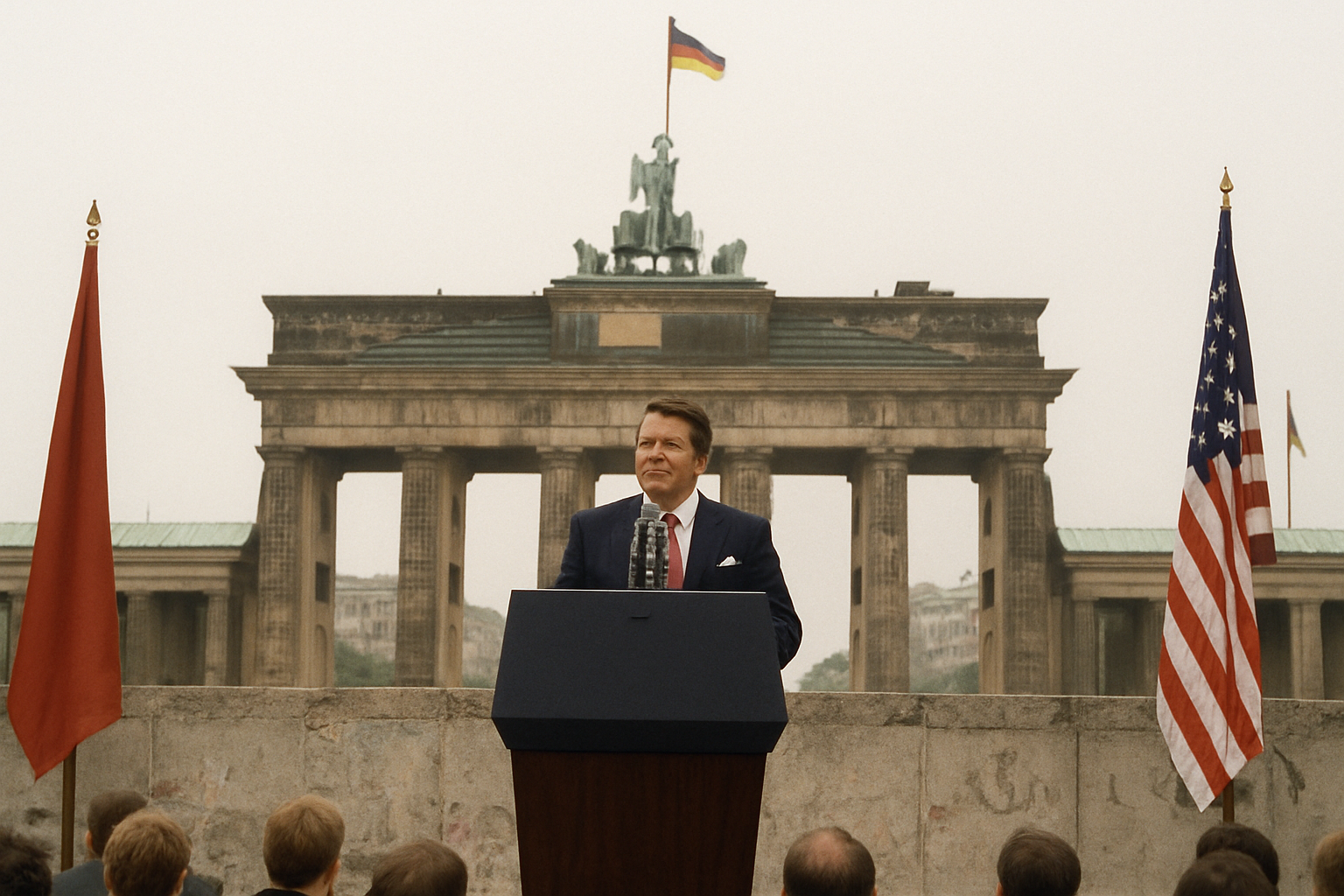
Sep 24, 2026
Mr. Gorbachev, Tear Down This Wall
Ronald Reagan’s Berlin Wall speech is remembered for one blunt challenge. Less remembered is the argument inside his own administration over whether he should say it at all.
Read story →
Sep 24, 2026
J. Robert Oppenheimer: The Man Behind the Atomic Bomb
J. Robert Oppenheimer led the laboratory that built the first atomic weapons. In 1954, a secret security hearing ended his government role. In 2022, the Energy Department vacated that decision as biased and unfair.
Read story →
Sep 24, 2026
Nagasaki: Why Was a Second Atomic Bomb Used?
Nagasaki was not the primary target on August 9, 1945, and Truman issued no separate order after Hiroshima. The second atomic attack followed an existing directive, an accelerated weather schedule, and a diversion from Kokura.
Read story →
Sep 24, 2026
That's One Small Step for Man
Neil Armstrong’s first step onto the Moon came after a tight lunar landing and before an audience of hundreds of millions. His words made an individual act stand for a larger human achievement.
Read story →
Sep 24, 2026
A Date Which Will Live in Infamy
On December 8, 1941, Franklin D. Roosevelt asked Congress to declare war on Japan. His brief address, shaped by one handwritten revision, gave Pearl Harbor its enduring name and set Congress on a rapid course to war.
Read story →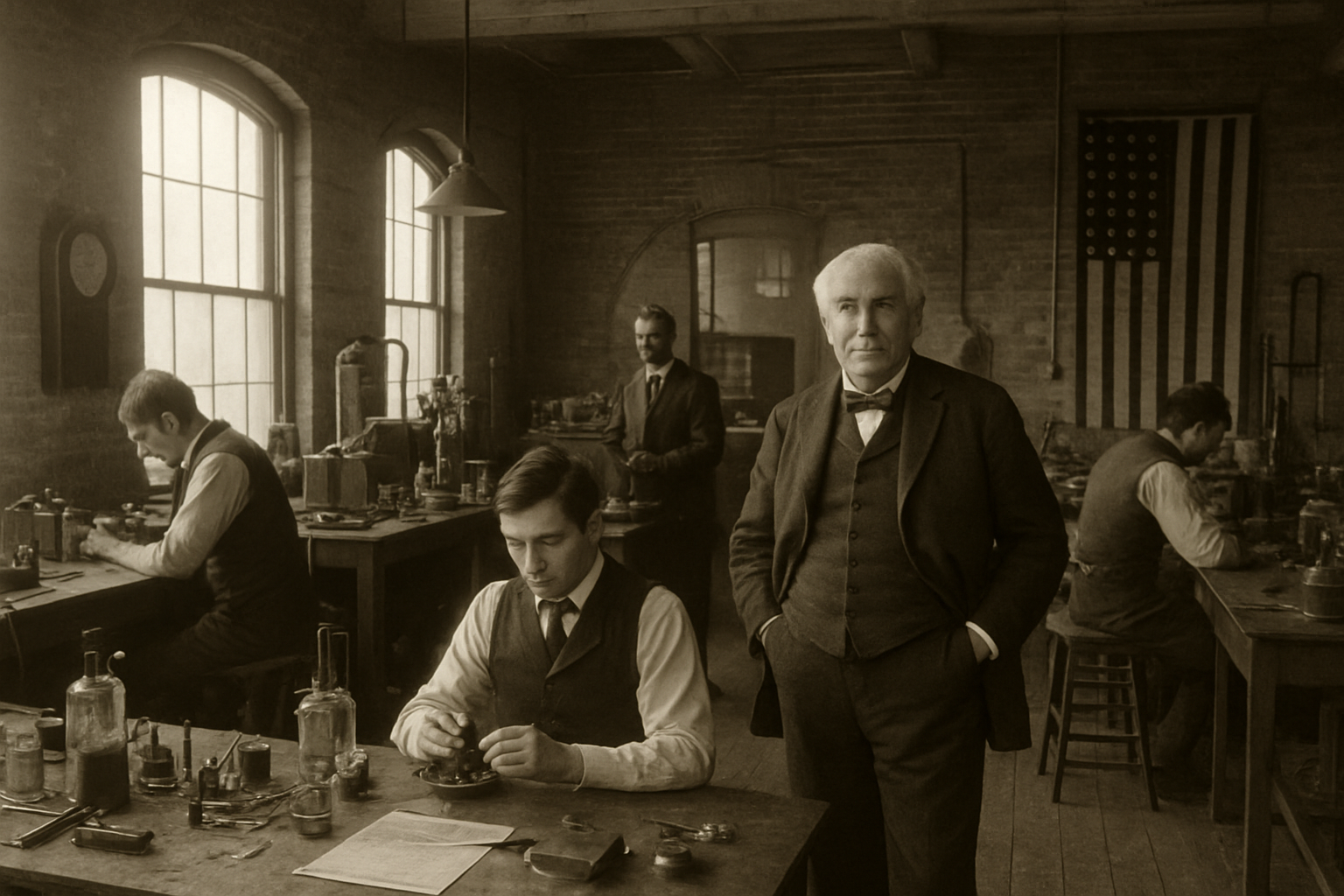
Sep 24, 2026
Thomas Edison and the Inventions That Changed Daily Life
Thomas Edison’s most durable achievement was not a single gadget. His laboratories organized specialized workers, capital, manufacturing, and engineering into systems that brought electricity, recorded sound, and moving pictures into ordinary life.
Read story →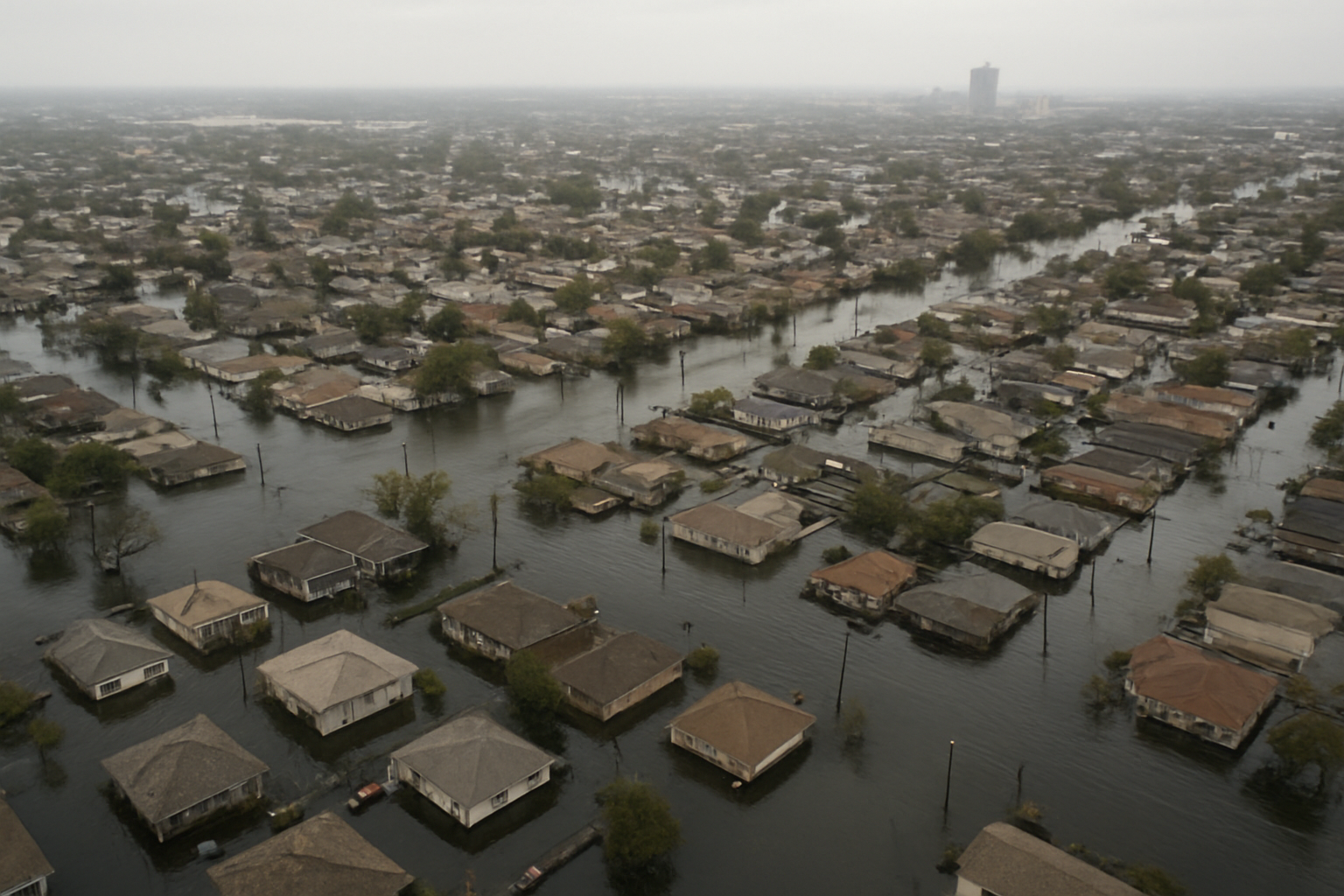
Sep 24, 2026
Hurricane Katrina: When New Orleans Flooded
Hurricane Katrina devastated the Gulf Coast, but New Orleans became a national catastrophe when floodwalls and levees failed. The flooding, evacuation crisis, and delayed response changed how Americans judged disaster preparedness.
Read story →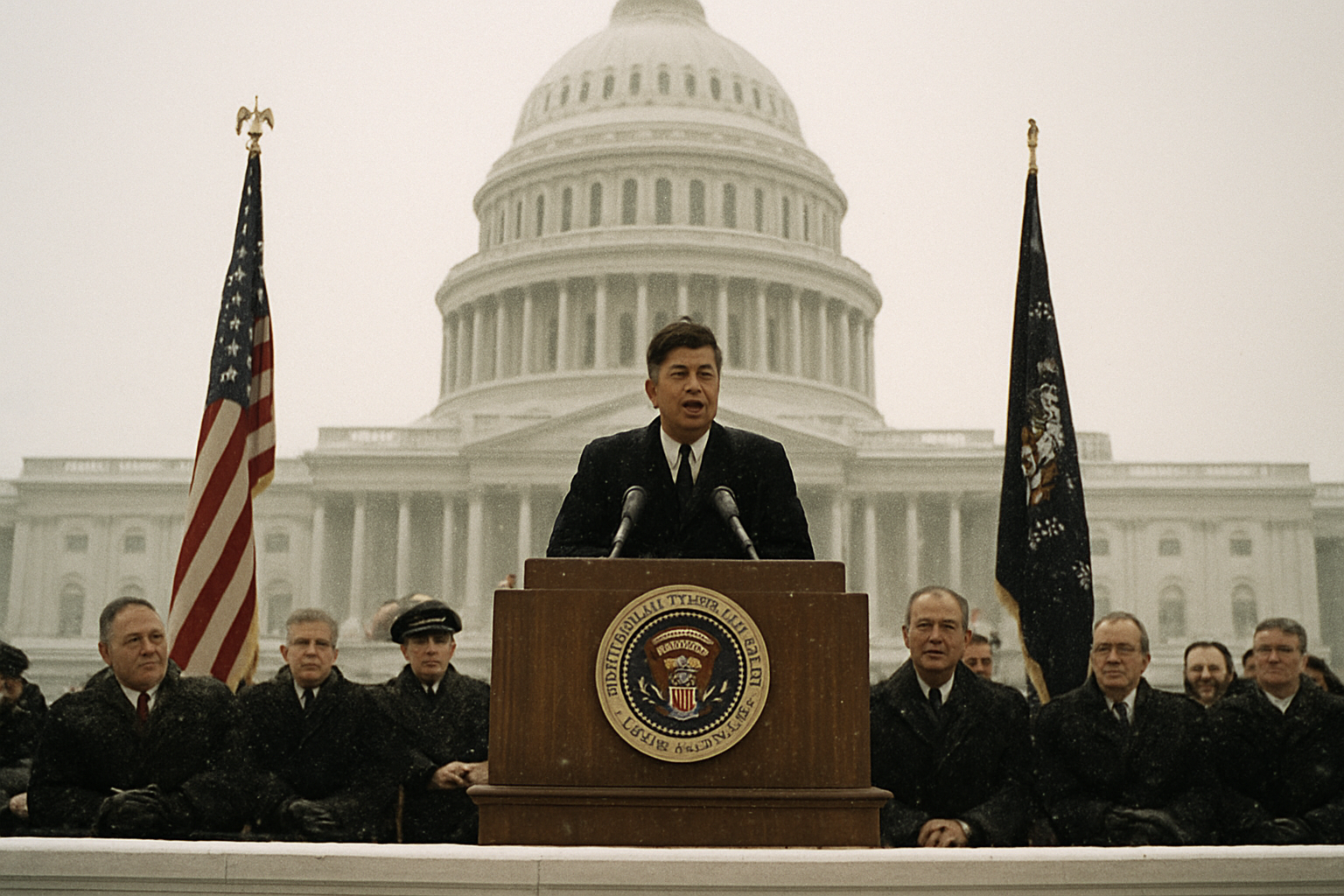
Sep 24, 2026
Ask Not What Your Country Can Do for You
John F. Kennedy’s inaugural address lasted about fourteen minutes, but its challenge to Americans—to serve rather than merely expect—became one of the defining statements of the 1960s.
Read story →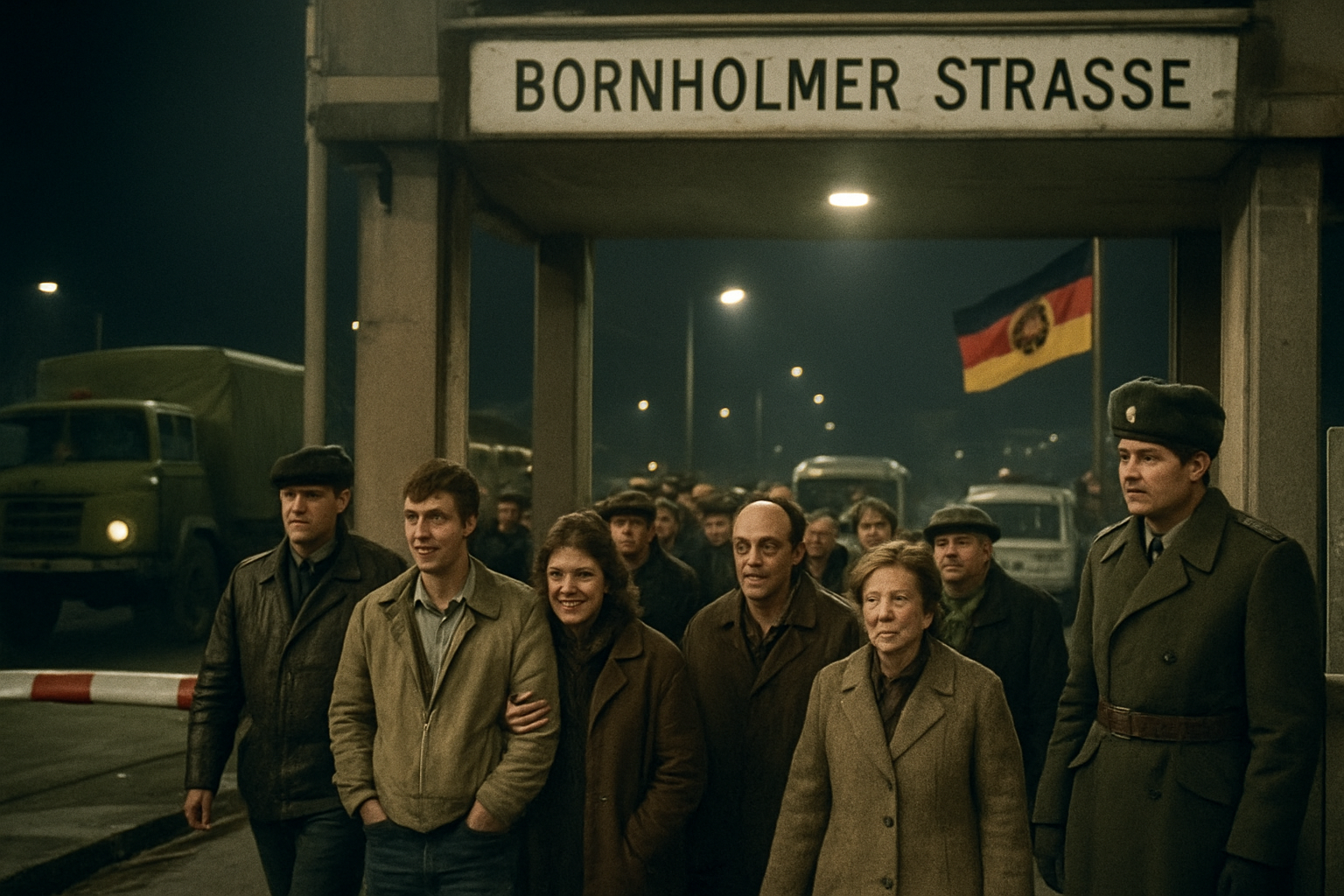
Sep 24, 2026
The Fall of the Berlin Wall and the End of an Era
On November 9, 1989, East Berliners went to the border expecting answers about travel rules. By midnight, they were crossing into West Berlin. The Wall’s opening began in confusion, then became a test of restraint.
Read story →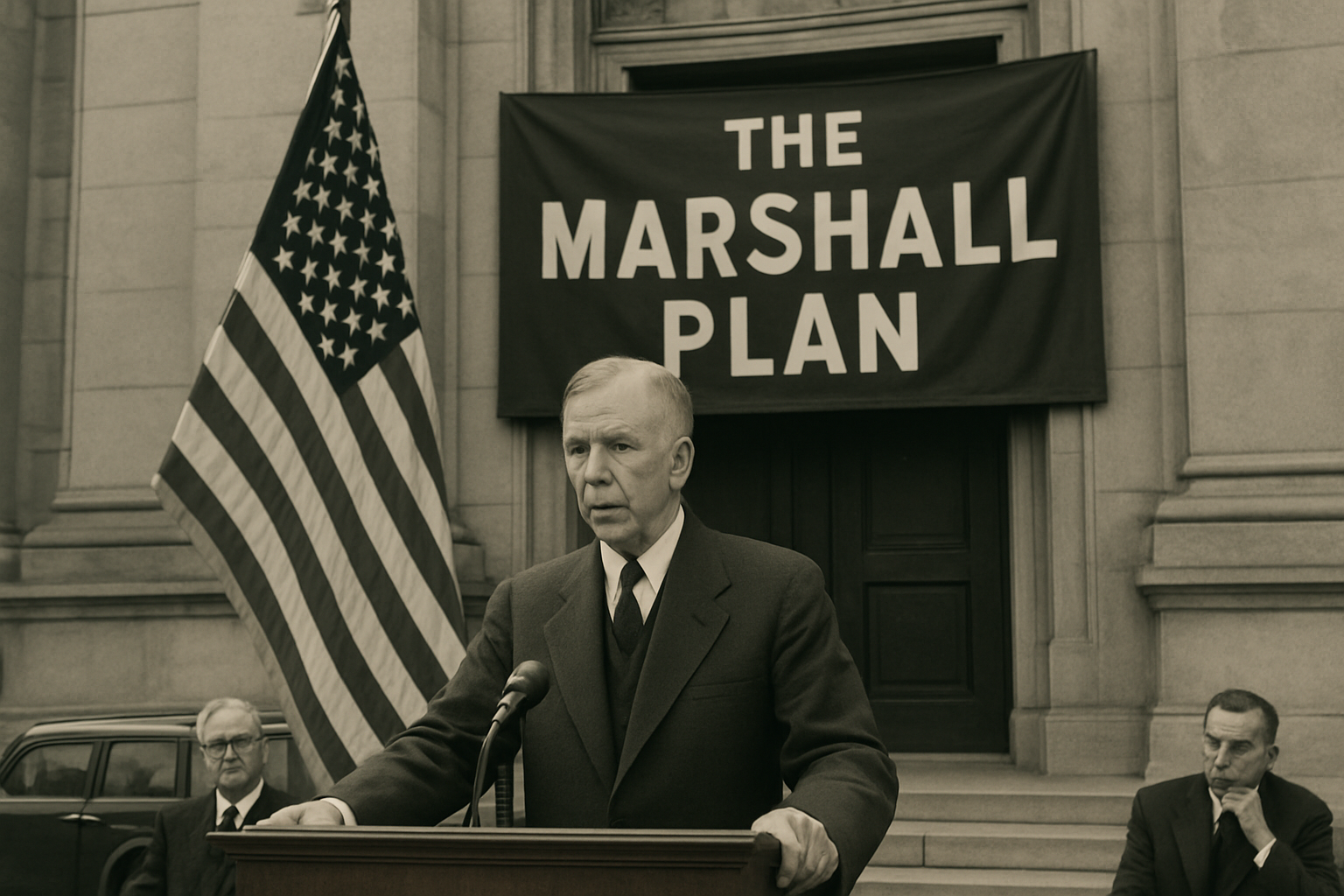
Sep 24, 2026
The Marshall Plan: How America Helped Rebuild Europe
The Marshall Plan supplied Western Europe with urgently needed goods after World War II, but its deeper legacy came from tying U.S. aid to joint European recovery planning.
Read story →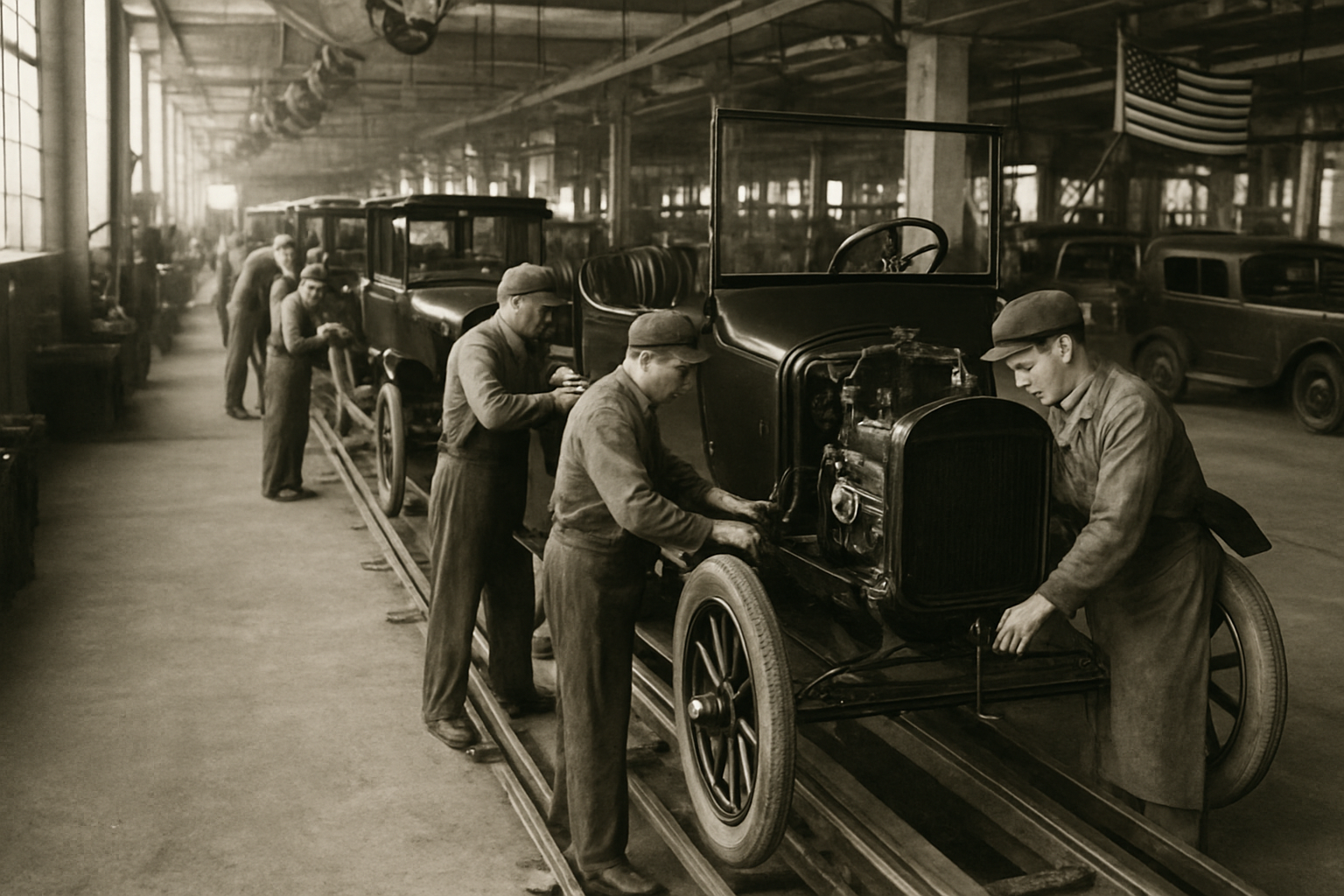
Sep 23, 2026
Henry Ford and the Assembly Line Revolution
Ford’s moving assembly line cut Model T chassis assembly to 93 minutes and helped lower car prices. Its speed also drove a labor crisis that shaped the Five Dollar Day.
Read story →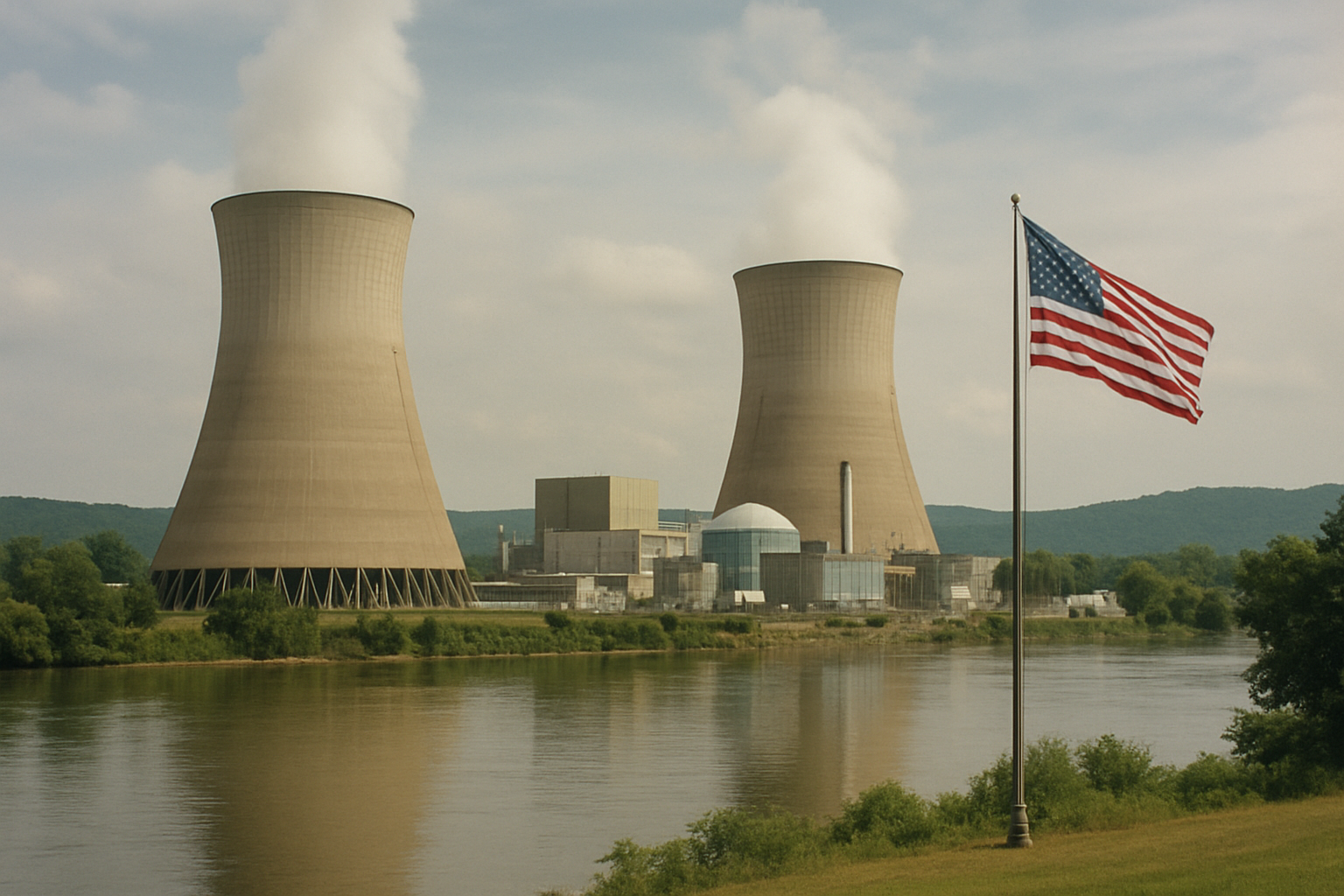
Sep 23, 2026
Three Mile Island: America's Nuclear Power Scare
The 1979 partial meltdown at Three Mile Island released little radiation beyond the plant, but it exposed failures in reactor design, operator training, emergency communication, and oversight that reshaped U.S. nuclear power.
Read story →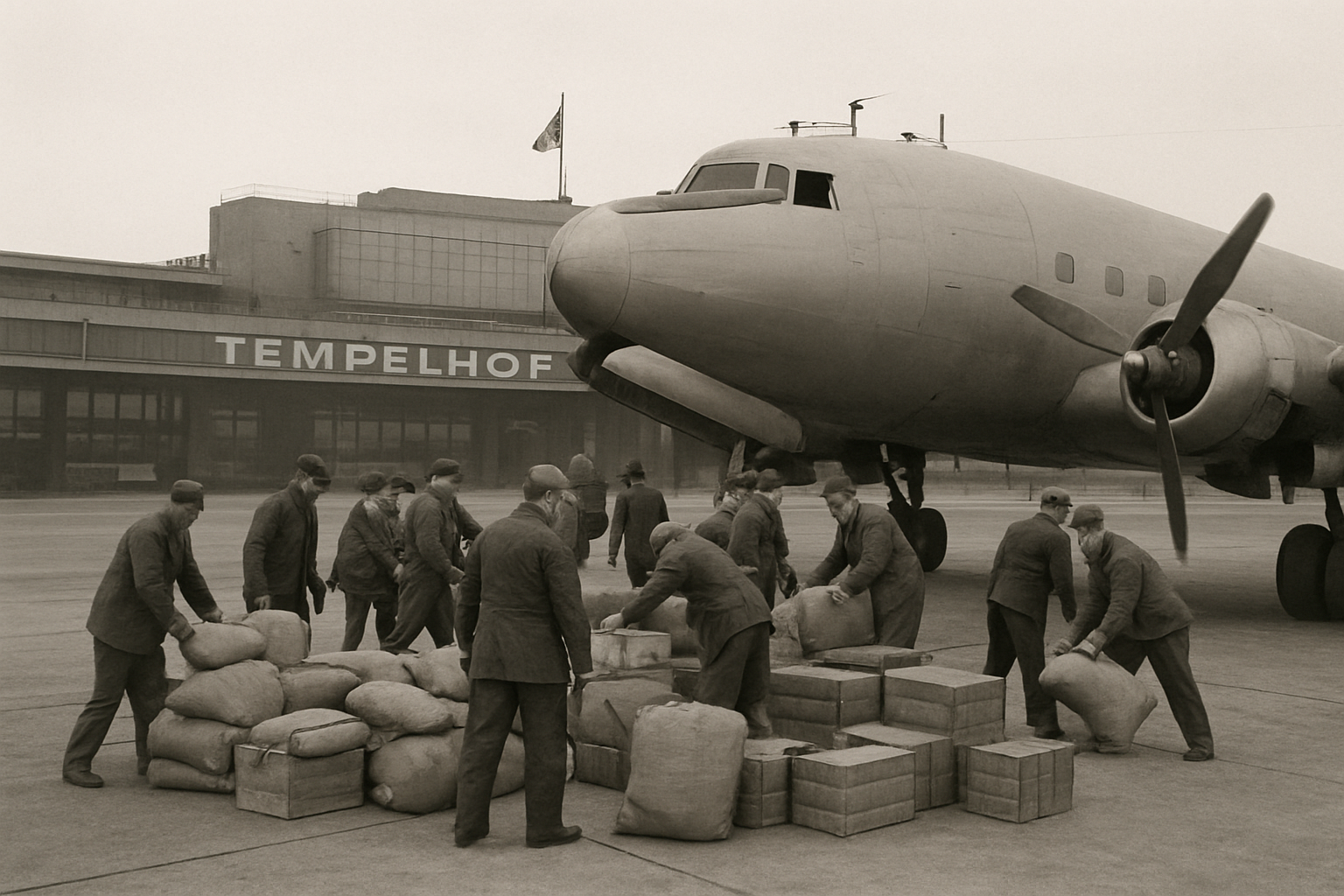
Sep 23, 2026
The Berlin Airlift: How America Supplied a Blockaded City
For 15 months, Allied crews flew food, coal, medicine, and other essentials into blockaded West Berlin. The Berlin Airlift kept the city supplied and became a defining early Cold War test.
Read story →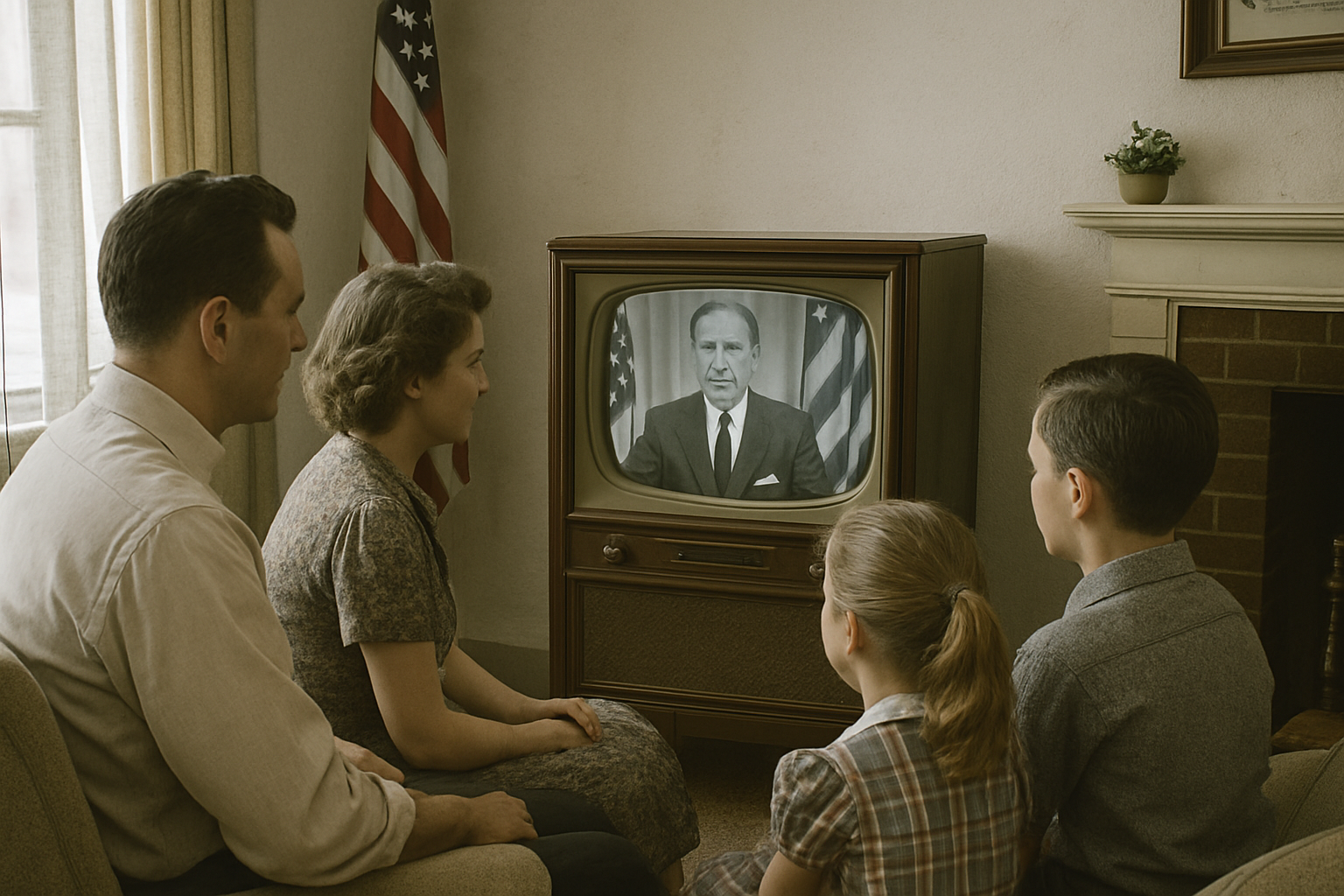
Sep 23, 2026
How Television Changed American Politics
As television sets filled American living rooms, candidates gained a direct line to voters, hearings became national spectacles, and political appearance took on new weight.
Read story →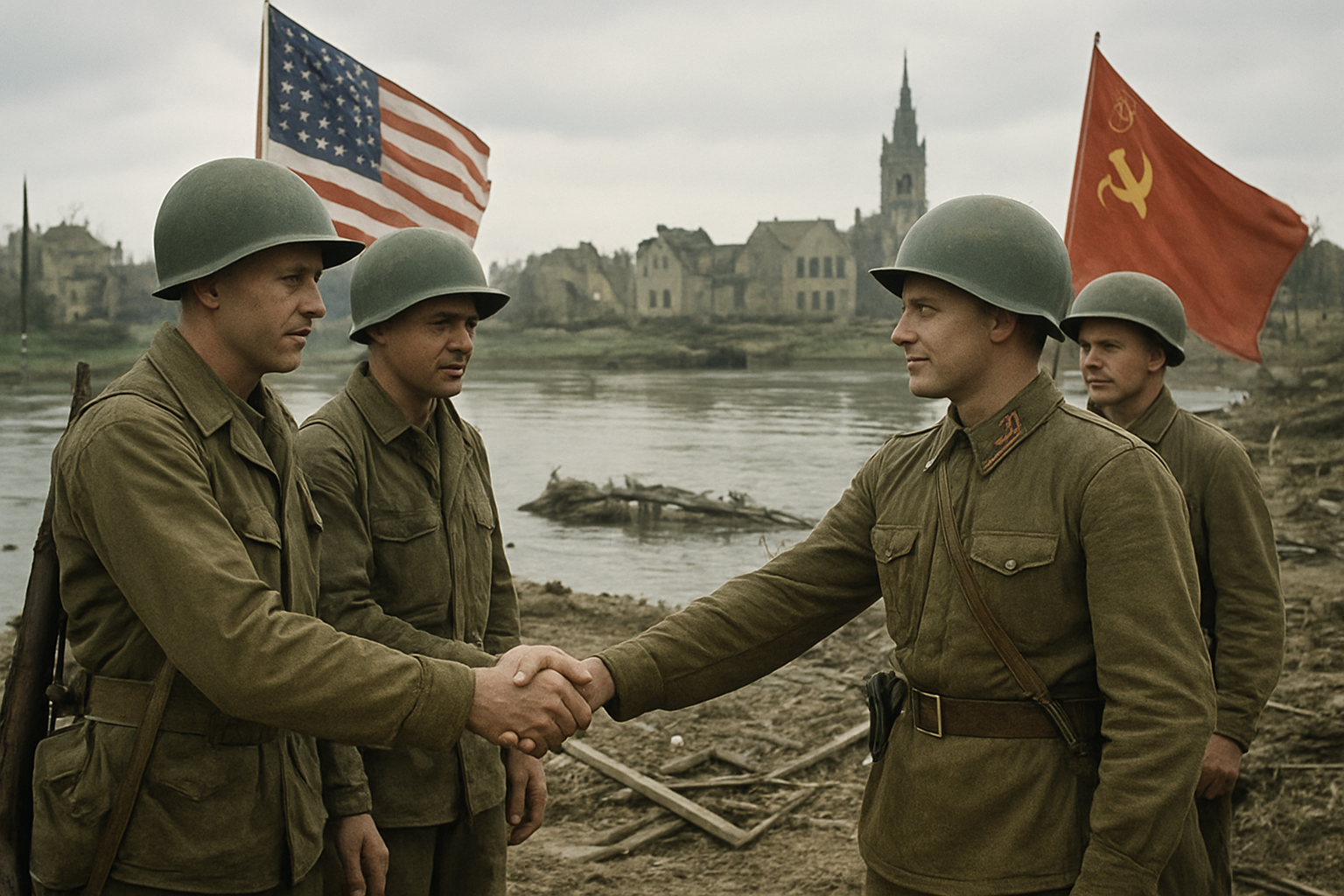
Sep 23, 2026
The Fall of Berlin and the End of Nazi Germany
Eisenhower’s decision to stop at the Elbe reflected battlefield priorities, expected casualties, and the Allied occupation plan. It helped determine the final approach to Berlin and foreshadowed the divisions that followed victory.
Read story →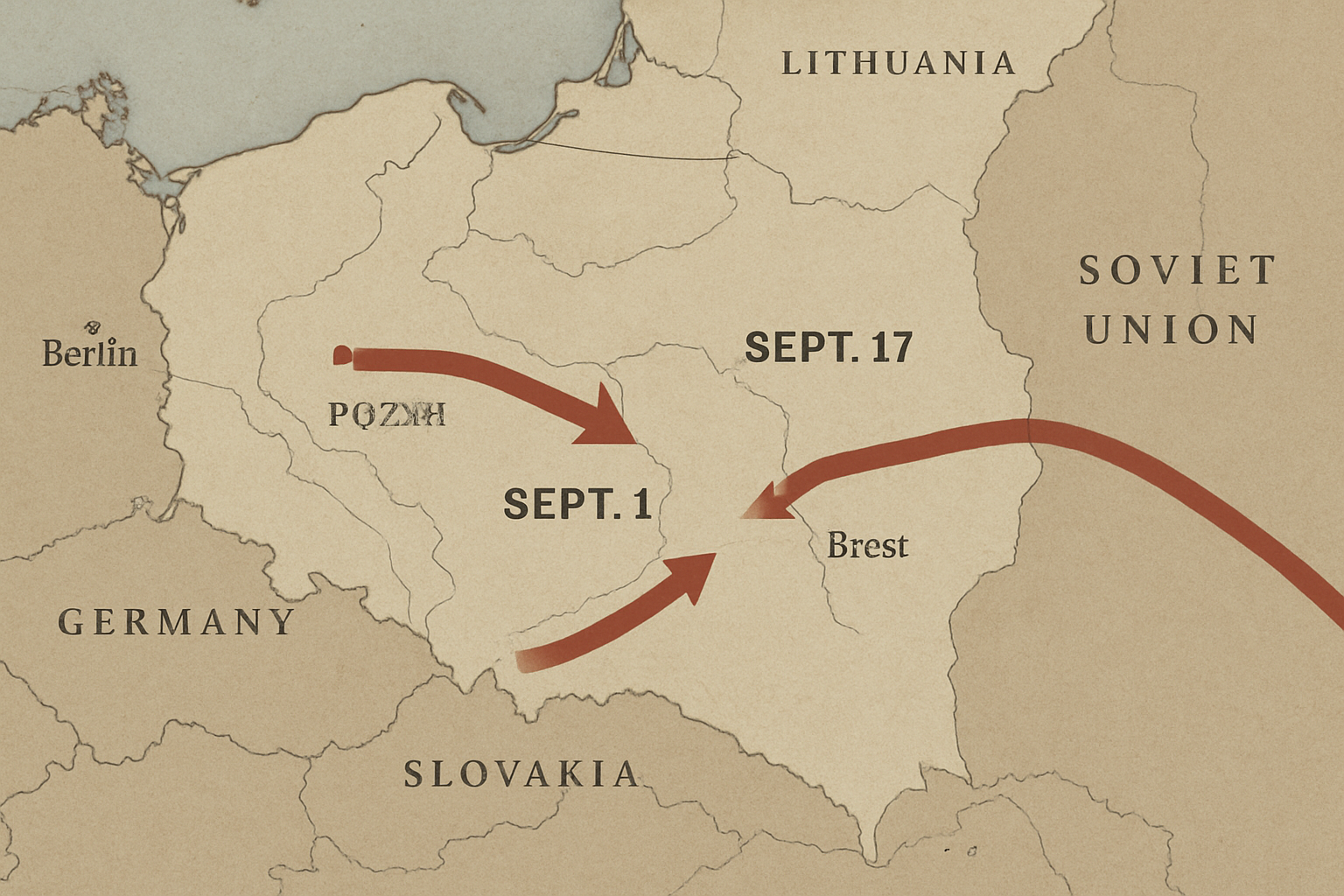
Sep 23, 2026
Why Did Hitler Invade Poland in 1939?
Germany’s invasion of Poland was not a limited dispute over Danzig. It was a planned war of conquest, enabled by a pact with Stalin and shaped by Hitler’s belief that the Western powers would not stop him.
Read story →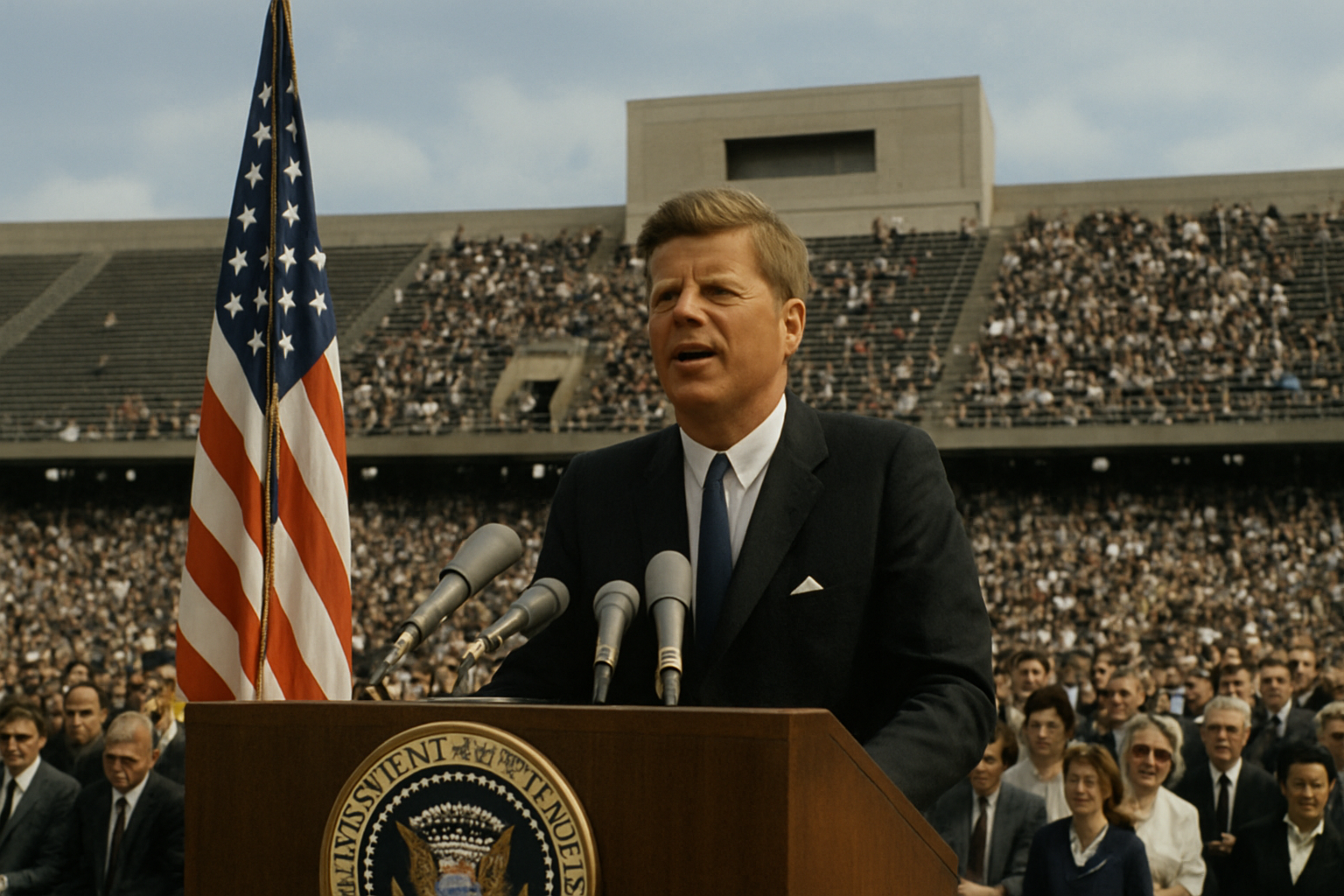
Sep 23, 2026
The Space Race: Why America Was Determined to Reach the Moon
In 1961, John F. Kennedy chose the Moon as the arena where the United States could answer Soviet space successes and demonstrate its Cold War strength.
Read story →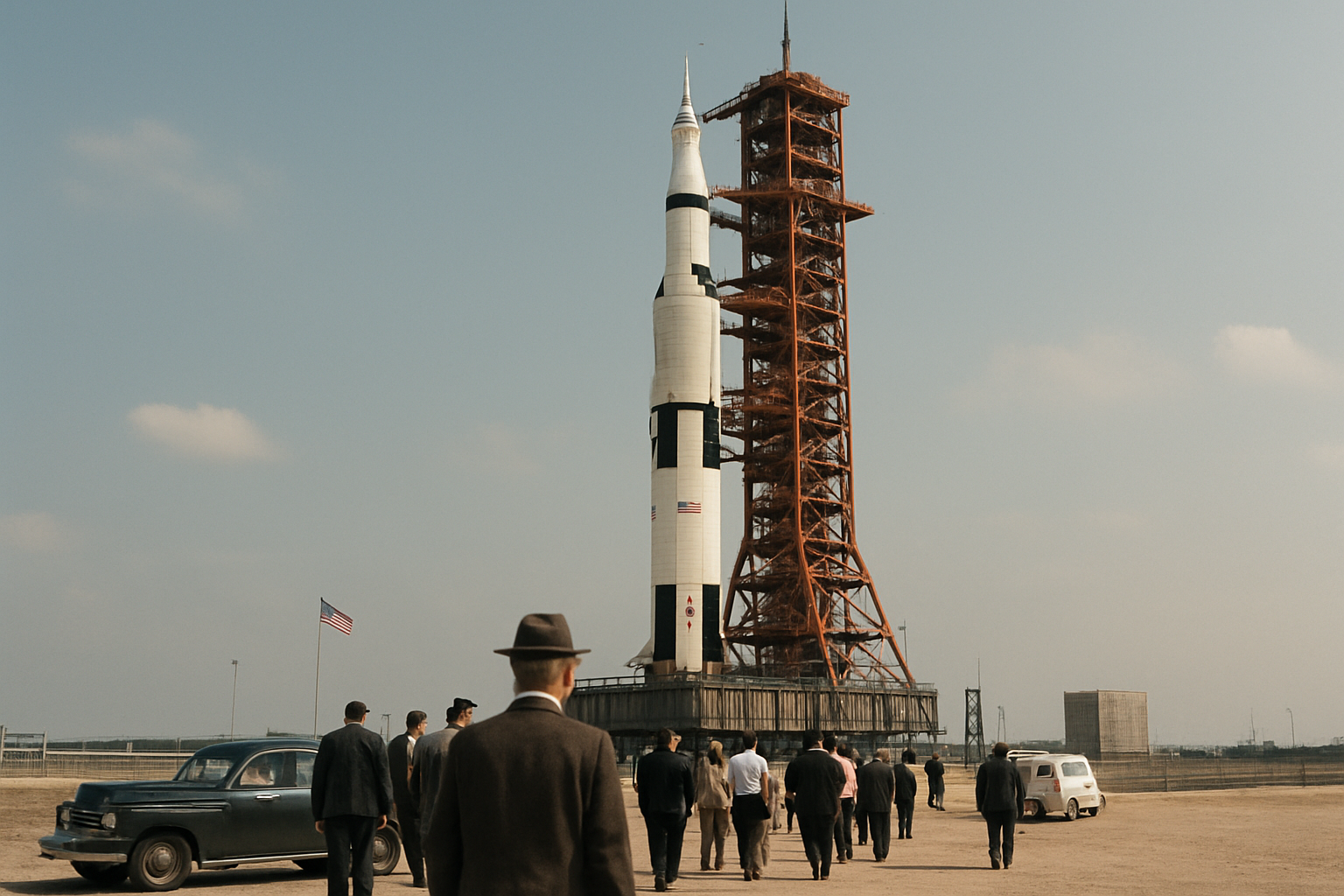
Sep 23, 2026
Wernher von Braun and America's Race to the Moon
Before leading NASA’s Saturn V program, Wernher von Braun worked on Nazi Germany’s V-2 rockets, whose underground production depended on concentration-camp labor.
Read story →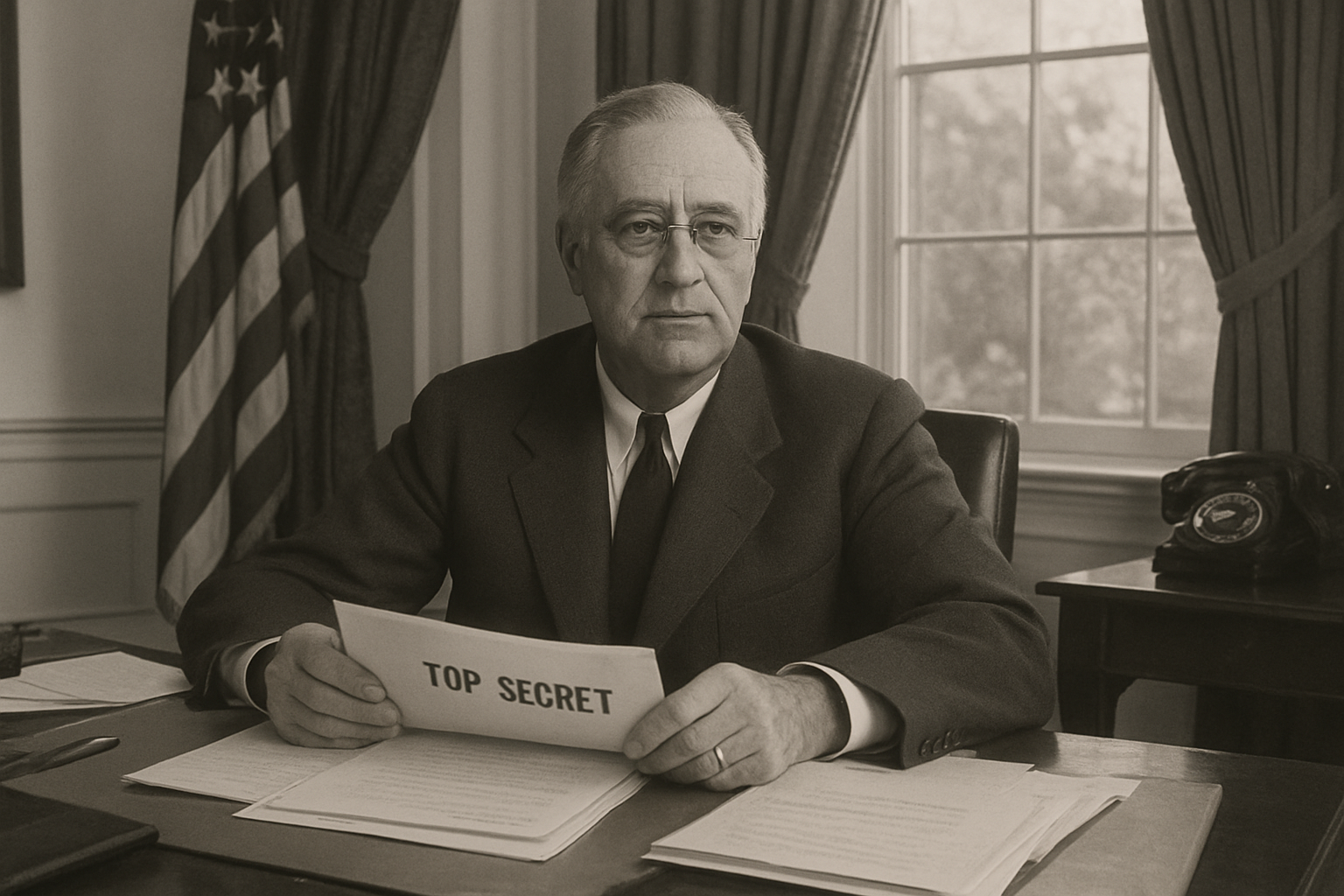
Sep 22, 2026
The Manhattan Project: America's Secret Decision to Build the Atomic Bomb
A warning carried to the White House in 1939 began as a $6,000 uranium study. Within three years, Roosevelt had approved a secret, Army-backed atomic-weapons program.
Read story →
Sep 22, 2026
The Sinking of the USS Indianapolis
After delivering crucial atomic-bomb components to Tinian, USS Indianapolis was sunk by a Japanese submarine in July 1945. A breakdown in reporting left its survivors adrift for nearly four days and put Capt. Charles McVay III at the center of a lasting fight over responsibility.
Read story →
Sep 22, 2026
We Shall Fight on the Beaches and Britain's Defiance
On June 4, 1940, Winston Churchill described Dunkirk as a rescue, not a victory—and publicly committed Britain to continue the war.
Read story →
Sep 21, 2026
The Only Thing We Have to Fear Is Fear Itself
Franklin D. Roosevelt’s first inaugural address prepared a frightened country for the 1933 bank holiday, emergency legislation, and a more active federal response to the Great Depression.
Read story →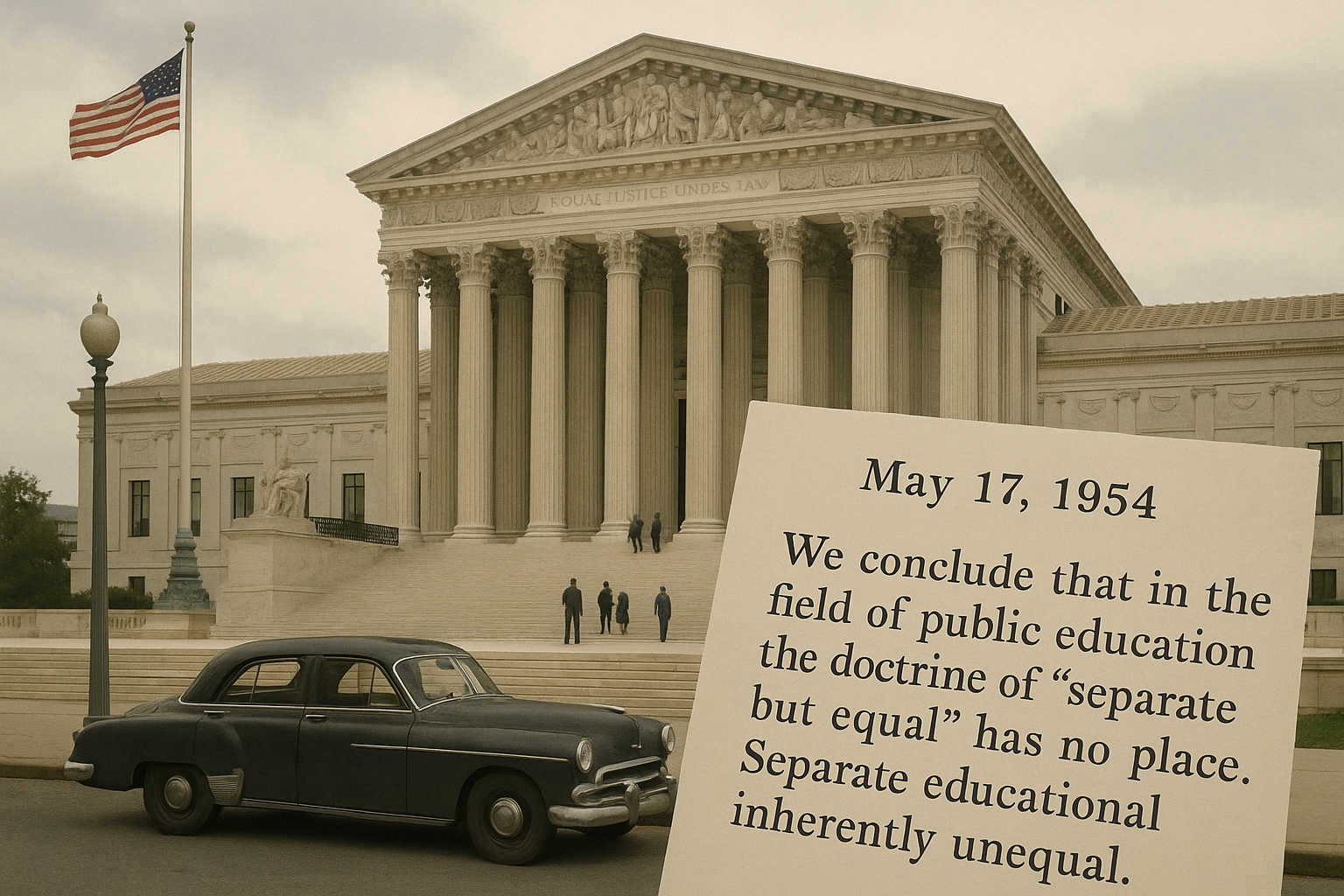
Sep 20, 2026
Brown v. Board of Education: The Ruling That Changed American Schools
Brown v. Board of Education ended the constitutional defense of segregated public schools. Making that ruling real required years of organizing, litigation, and federal enforcement.
Read story →
Sep 18, 2026
The Declaration of Independence: The Document That Turned a Rebellion Into a Nation
The Declaration of Independence was not a single July 4 moment. It was the product of a war already under way, a hurried drafting process, fierce editing in Congress, an overnight printing job, and a promise of equality that the new nation immediately failed to fulfill.
Read story →