WAR, POWER & CONSEQUENCE
Wars & Conflict
Wars, battles and military decisions that tested American power, identity and the limits of national ambition.
START HERE
A way into the subject.
Start with the conflict itself, then follow the political, social and human consequences that outlasted it.
STORIES IN THIS TOPIC
Read the archive.
Oct 3, 2026
The Harlem Hellfighters and the Fight for Recognition
The Harlem Hellfighters spent more time on the World War I front lines than any other American regiment. Their return home brought a Fifth Avenue celebration, then the hard realities of Jim Crow and a long campaign for recognition.
Start with this story →Oct 2, 2026
The Mexican-American War and the Redrawing of the Map
The 1848 Treaty of Guadalupe Hidalgo gave the United States an immense western domain. It also set off political fights over slavery, citizenship, land, and power that the country could not contain for long.
Read story →Oct 2, 2026
Juneteenth: Why June 19 Became a Day of Freedom
Juneteenth marks the day Union troops enforced emancipation in Texas. Its history begins with a military order in Galveston and continues through generations of Black community organizing.
Read story →Oct 2, 2026
The Freedmen’s Bureau and the Unfinished Work of Reconstruction
With roughly 900 field agents at its peak, the Freedmen’s Bureau was asked to help remake Southern life after slavery. Its schools and records endured, but it could not secure land or lasting protection for freedpeople.
Read story →Oct 1, 2026
Lincoln’s Assassination: The Events at Ford’s Theatre
Abraham Lincoln was shot during a performance at Ford’s Theatre on April 14, 1865. His murder was part of a coordinated conspiracy aimed at the Union government in the Civil War’s final days.
Read story →Oct 1, 2026
Appomattox: What Lee’s Surrender Meant
At Appomattox Court House, Robert E. Lee surrendered the Army of Northern Virginia—not the entire Confederacy. Grant’s terms paired disarmament with parole, rations, and a path home for defeated soldiers.
Read story →Oct 1, 2026
Sherman’s March to the Sea: War Beyond the Battlefield
Sherman’s 1864 march from Atlanta to Savannah was meant to break the Confederacy’s war-making capacity. Along the route, thousands of enslaved people seized a dangerous chance at freedom—and forced the Union to confront what freedom required.
Read story →Oct 1, 2026
The 54th Massachusetts and the Assault on Fort Wagner
On July 18, 1863, the 54th Massachusetts led a deadly assault on Fort Wagner. The fort held, but the regiment’s conduct helped expand Black enlistment and strengthened a demand the Union government could no longer ignore: equal pay.
Read story →Oct 1, 2026
Vicksburg: The Siege That Opened the Mississippi
The fall of Vicksburg on July 4, 1863, gave the Union a decisive Mississippi River victory, divided Confederate territory, and made the city a destination for thousands of people seeking freedom.
Read story →Oct 1, 2026
Gettysburg: Why Pickett’s Charge Failed
Pickett’s Charge was not simply a failed rush at a stone wall. The Confederate assault depended on artillery that did not disable the Union defense and infantry that had to cross open farmland under fire.
Read story →Oct 1, 2026
What the Emancipation Proclamation Did—and Did Not Do
The Emancipation Proclamation did not end slavery nationwide on January 1, 1863. But Lincoln's wartime order transformed Union policy, authorized Black enlistment, and helped clear the path to the 13th Amendment.
Read story →Oct 1, 2026
Antietam: America’s Bloodiest Day of Battle
Antietam ended without a decisive battlefield victory, but Lee’s retreat from Maryland gave Abraham Lincoln the opening to issue the preliminary Emancipation Proclamation.
Read story →Oct 1, 2026
Why the Battle of Bull Run Shocked the North
On July 21, 1861, a Union army marched toward Manassas expecting to strike a hard blow against the Confederacy. By nightfall, its retreat toward Washington had convinced the North that the war would be longer, costlier, and harder to control than many had imagined.
Read story →Oct 1, 2026
Fort Sumter: The Opening Shots of the Civil War
Fort Sumter fell after 34 hours under Confederate fire in April 1861. The battle caused no combat deaths, but it brought a secession crisis into open war.
Read story →Oct 1, 2026
John Brown’s Raid on Harpers Ferry
In October 1859, John Brown seized the federal armory at Harpers Ferry hoping to arm enslaved people. The raid collapsed within two days, but Brown’s trial and execution gave it consequences far beyond its military outcome.
Read story →Oct 1, 2026
Dred Scott: The Supreme Court Decision That Deepened the Divide
Dred and Harriet Scott used a Missouri legal tradition to seek freedom after years spent in places where slavery was barred. The Supreme Court turned their case into a sweeping 1857 ruling on Black citizenship and slavery in the territories.
Read story →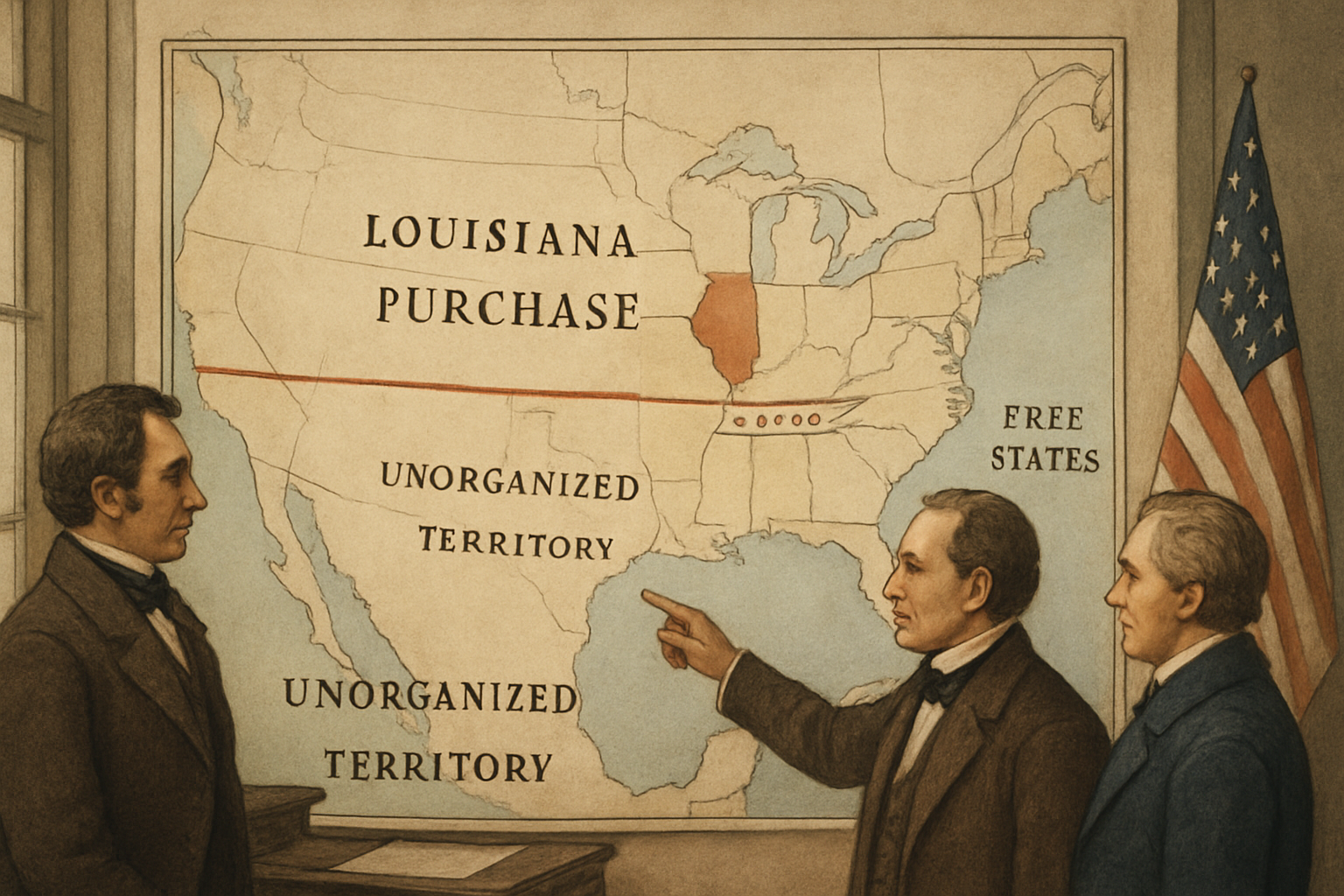
Sep 30, 2026
The Missouri Compromise and the Battle over Slavery’s Expansion
The Missouri Compromise admitted Maine as a free state and Missouri as a slave state while drawing a 36°30′ line through western territory. It eased an immediate political crisis and exposed how deeply slavery had divided the Union.
Read story →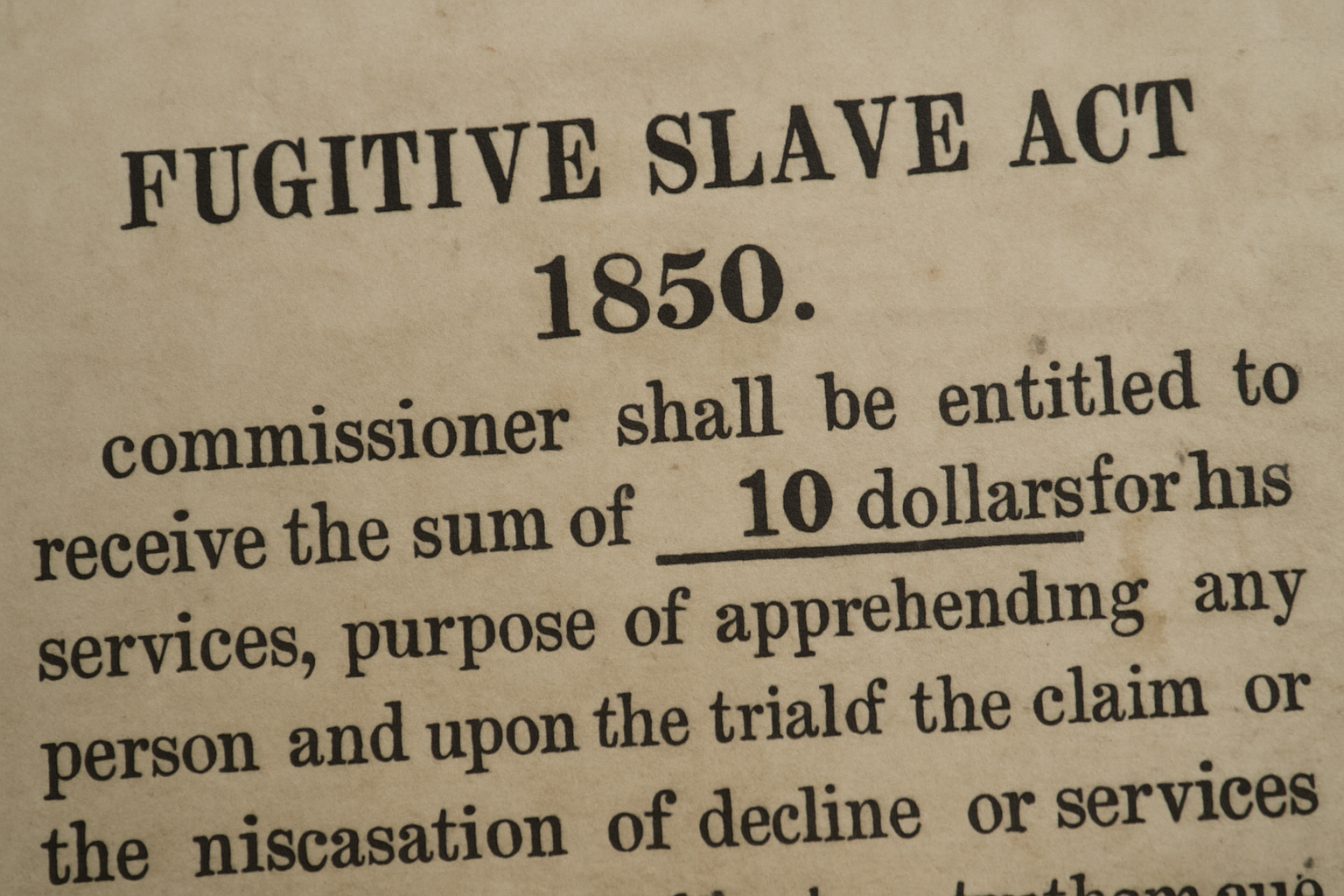
Sep 30, 2026
The Fugitive Slave Act and the Risks of Seeking Freedom
The Fugitive Slave Act of 1850 put federal power behind the capture of alleged escapees, denied the accused basic legal protections, and made northern communities part of slavery's enforcement system.
Read story →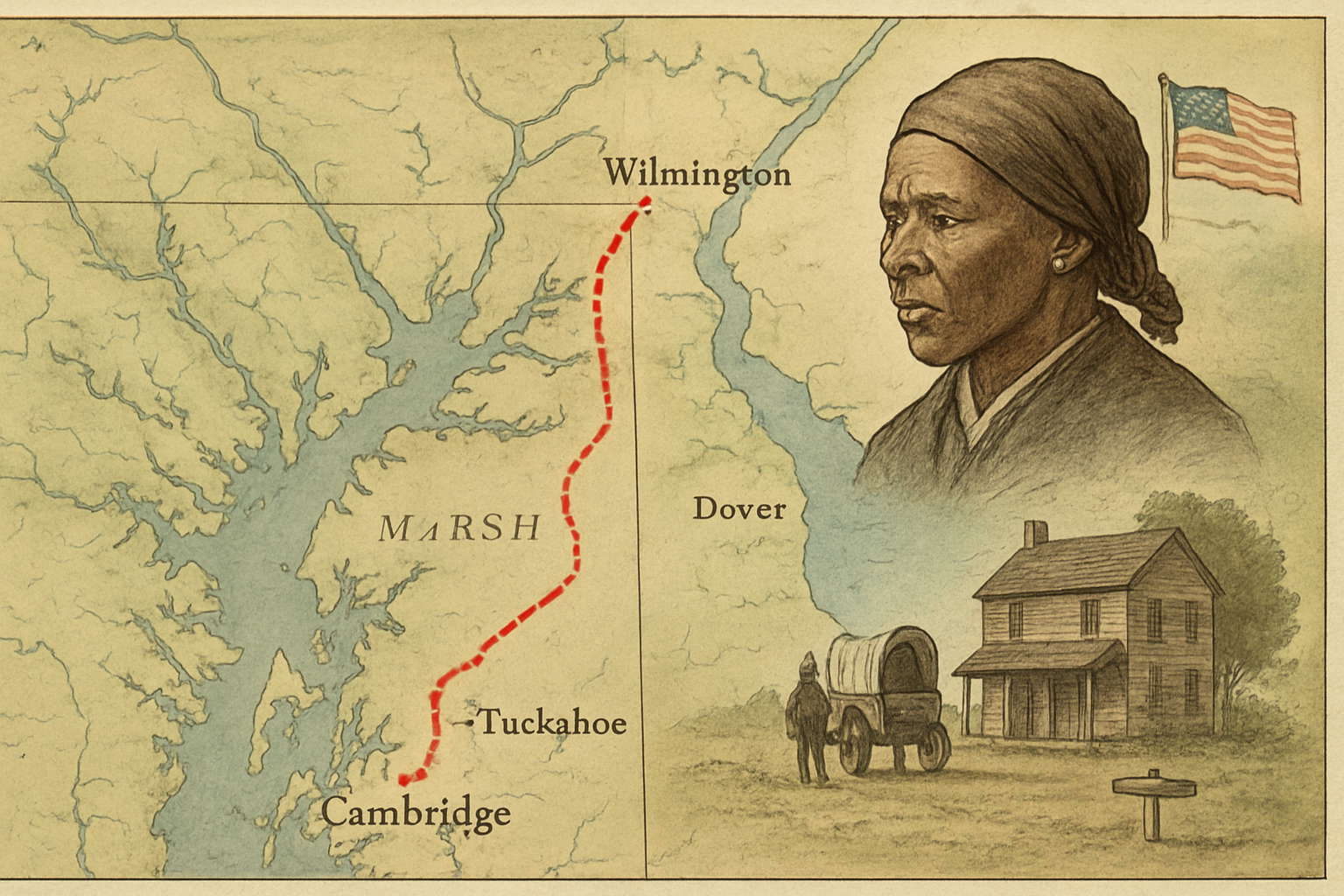
Sep 30, 2026
Harriet Tubman’s Missions on the Underground Railroad
Harriet Tubman’s rescue missions were built on local knowledge, careful timing, and a network that carried freedom seekers from Maryland toward Pennsylvania and Canada.
Read story →
Sep 30, 2026
Frederick Douglass: From Enslavement to National Influence
Frederick Douglass used literacy, journalism, constitutional argument, and Black military enlistment to pressure the United States toward emancipation and equal citizenship.
Read story →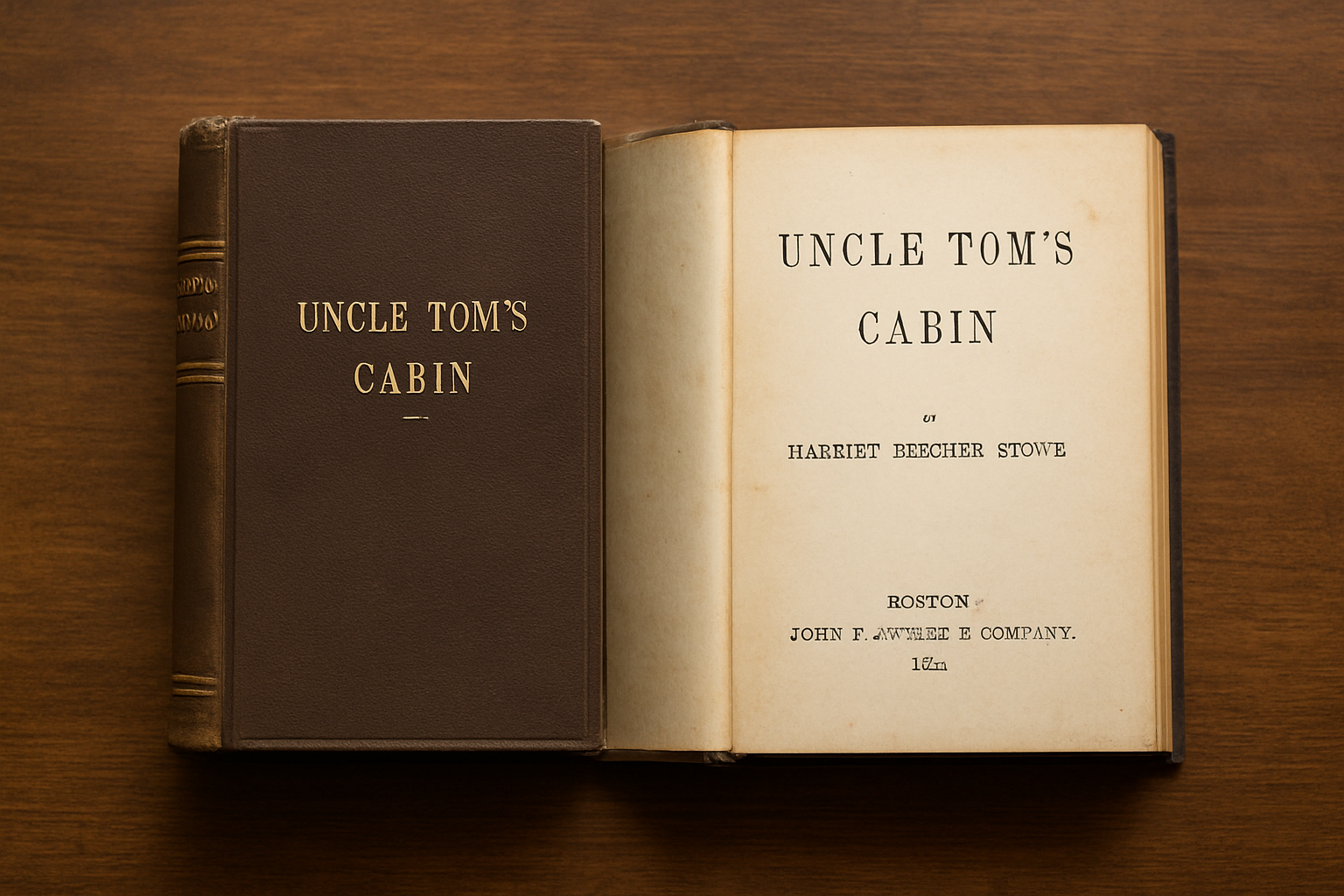
Sep 30, 2026
How Uncle Tom’s Cabin Entered the Slavery Debate
First published as a weekly antislavery serial, *Uncle Tom’s Cabin* became a publishing phenomenon and sharpened the nation’s argument over slavery.
Read story →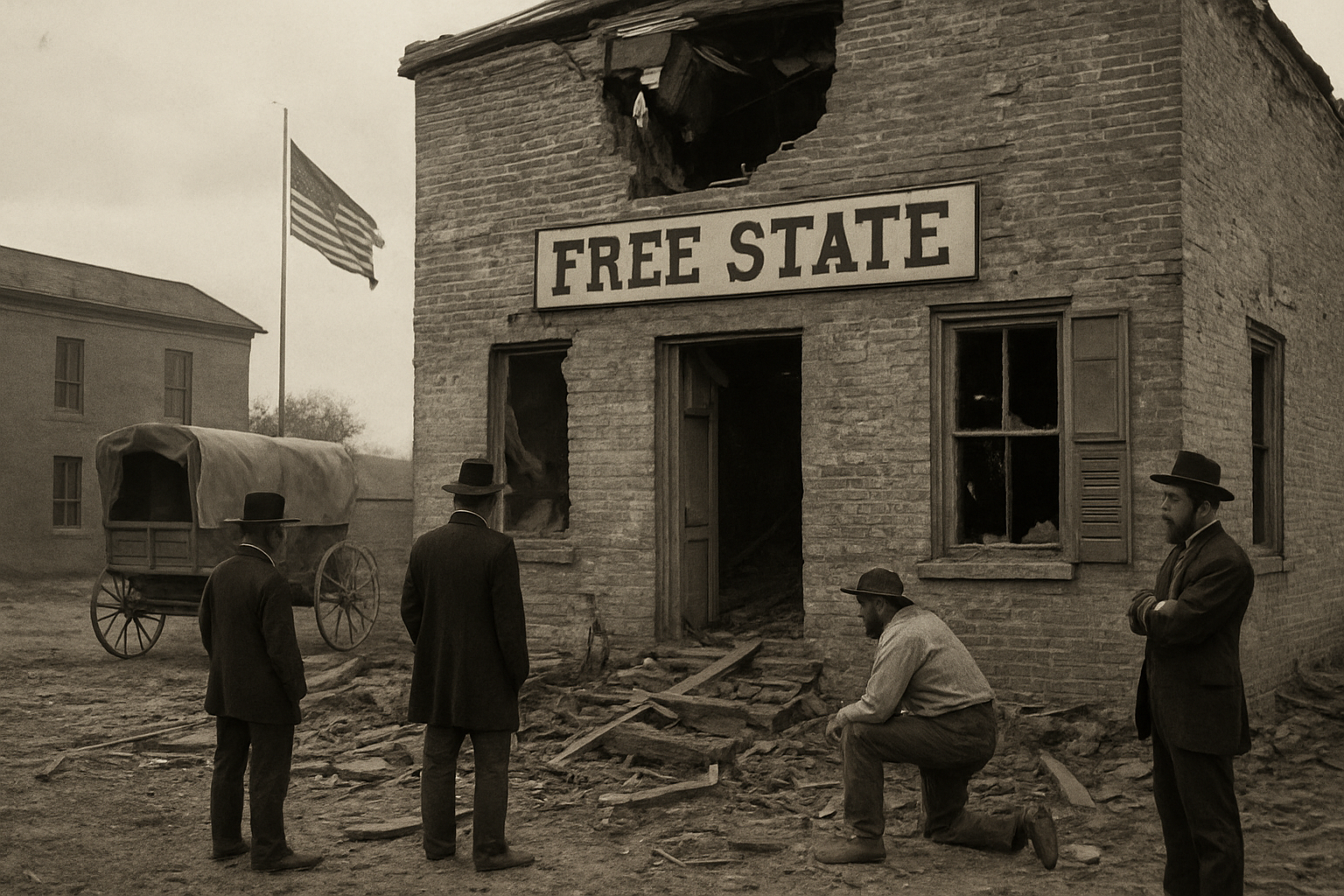
Sep 30, 2026
Bleeding Kansas: Violence Before the Civil War
In the 1850s, Kansas Territory became the place where Americans tried to settle slavery by vote—and then fought over whether those votes could be trusted.
Read story →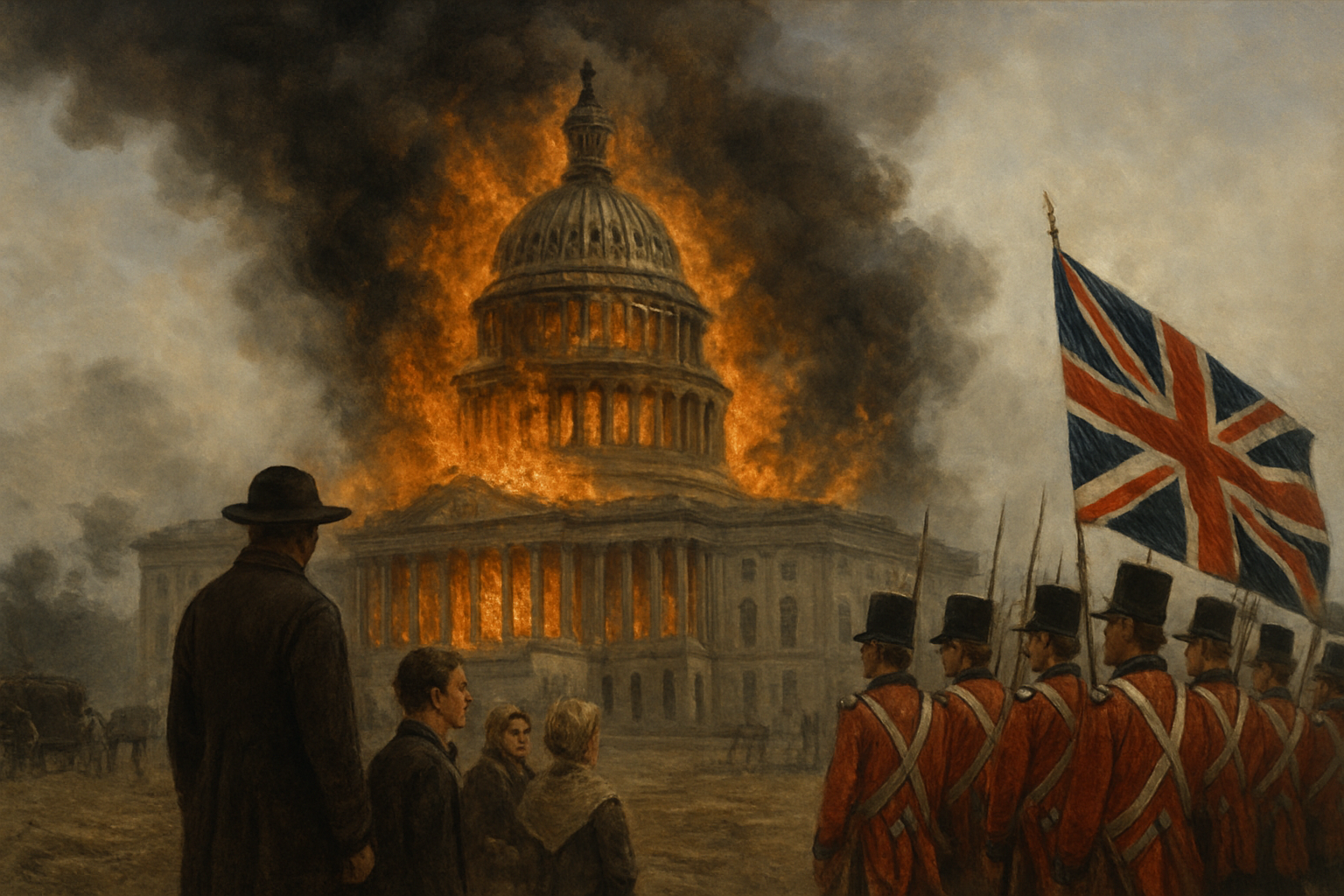
Sep 29, 2026
When British Troops Burned Washington in 1814
When British troops burned Washington in 1814, clerks, household workers, and lawmakers helped preserve the records and institutions that outlasted the attack.
Read story →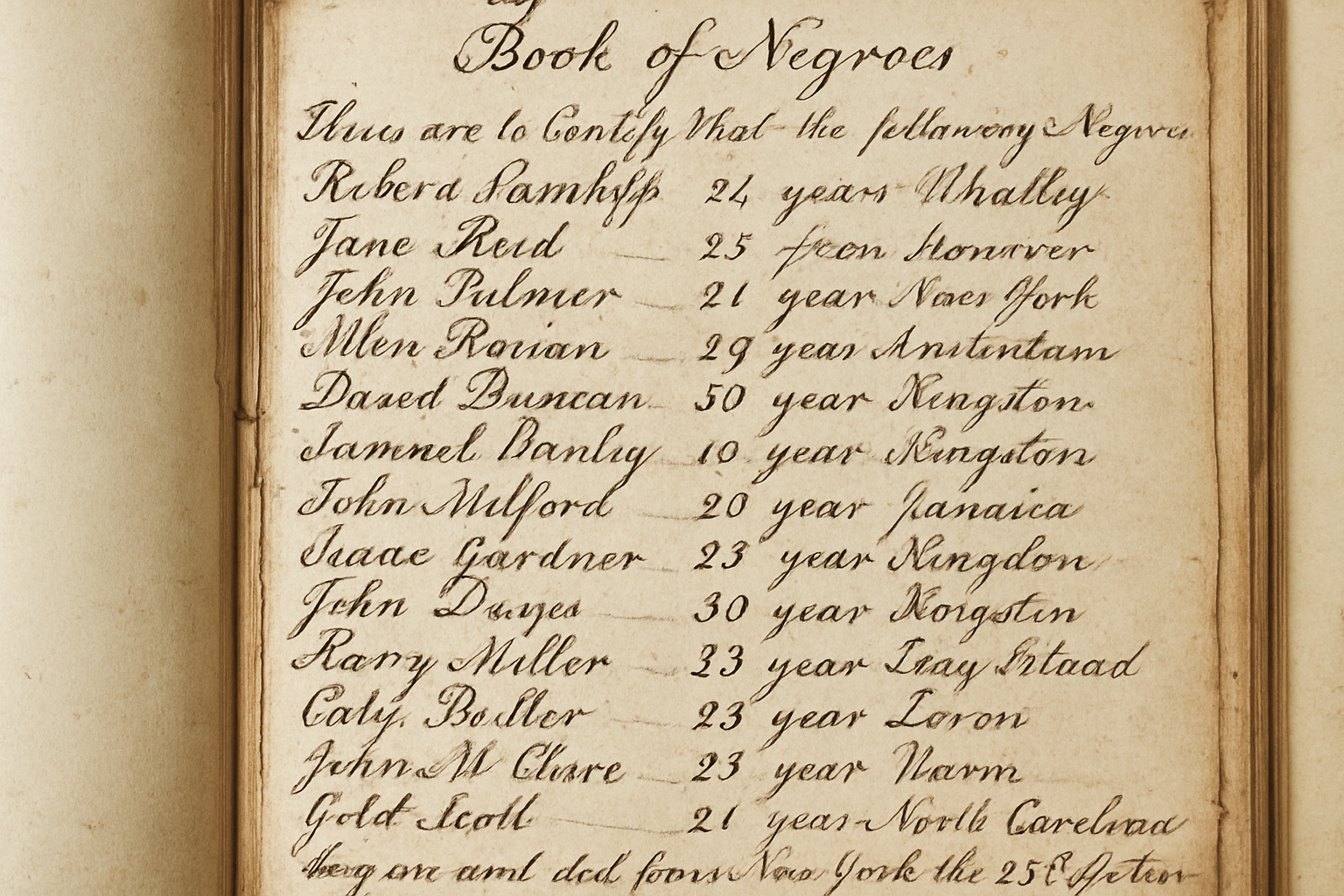
Sep 26, 2026
Black Soldiers and the Fight for American Independence
Black Americans served with the Patriots, sought protection with the British, and pursued freedom amid a war that exposed the Revolution’s deepest contradiction.
Read story →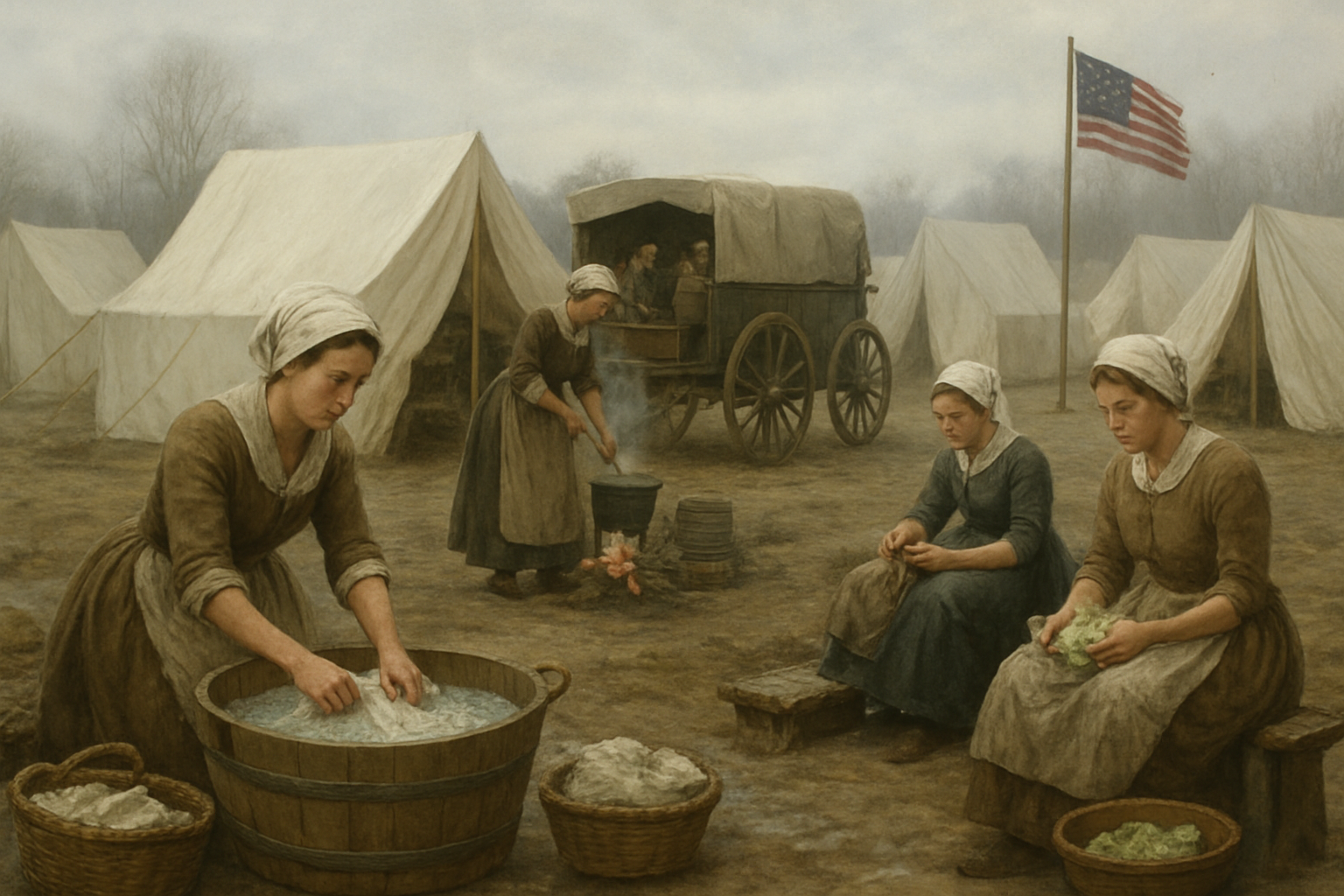
Sep 26, 2026
Women Who Kept the American Revolution Running
The Revolution depended on more than soldiers and generals. Women cooked, washed, nursed, carried supplies, managed homes, and sometimes entered the fight themselves—work that helped make long campaigns possible.
Read story →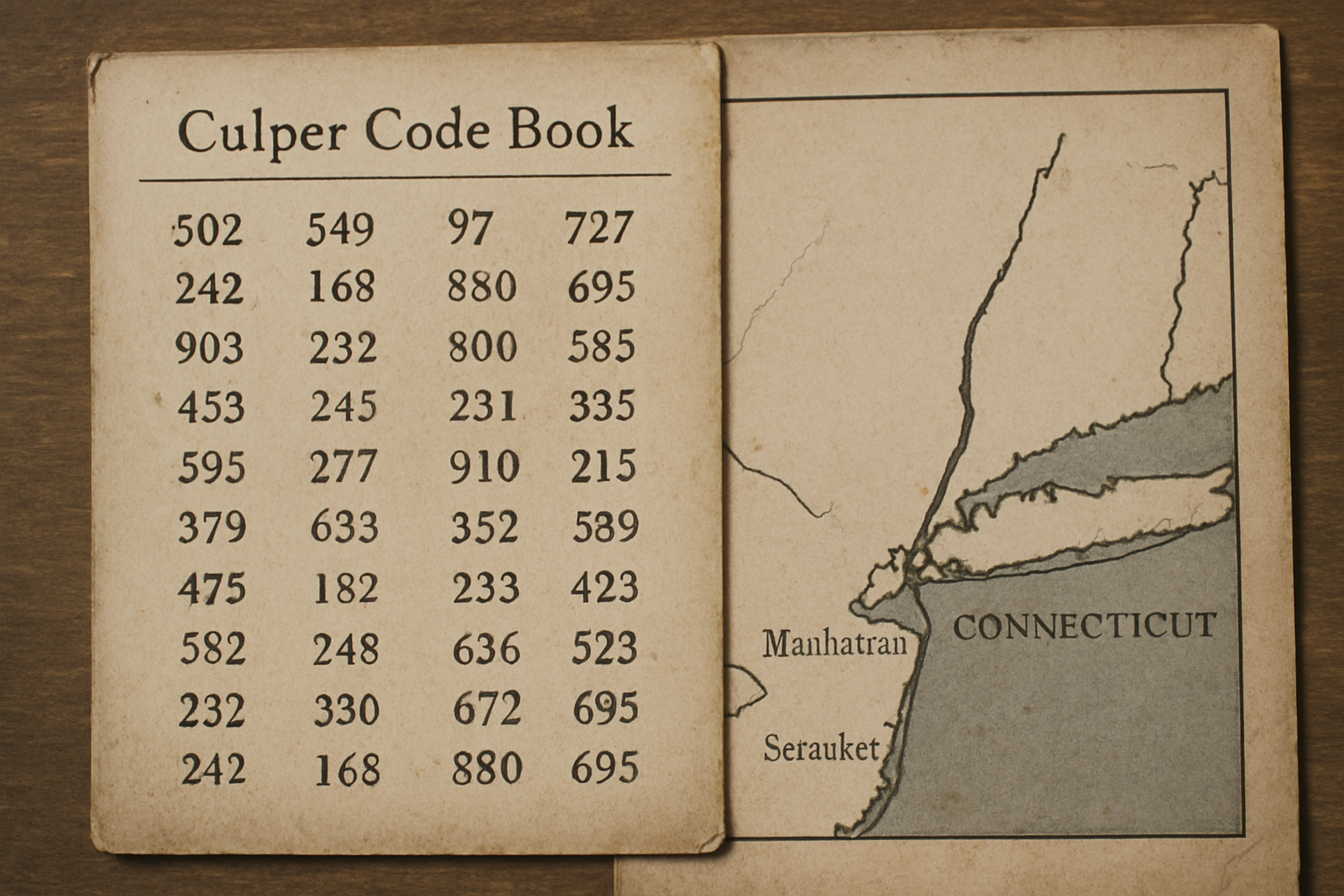
Sep 26, 2026
The Culper Spy Ring: Washington’s Secret Intelligence Network
The Culper Spy Ring moved reports from British-held New York through a civilian relay of riders, boatmen, codes, and concealed writing. Its intelligence helped Washington respond to a British threat against the French force at Newport.
Read story →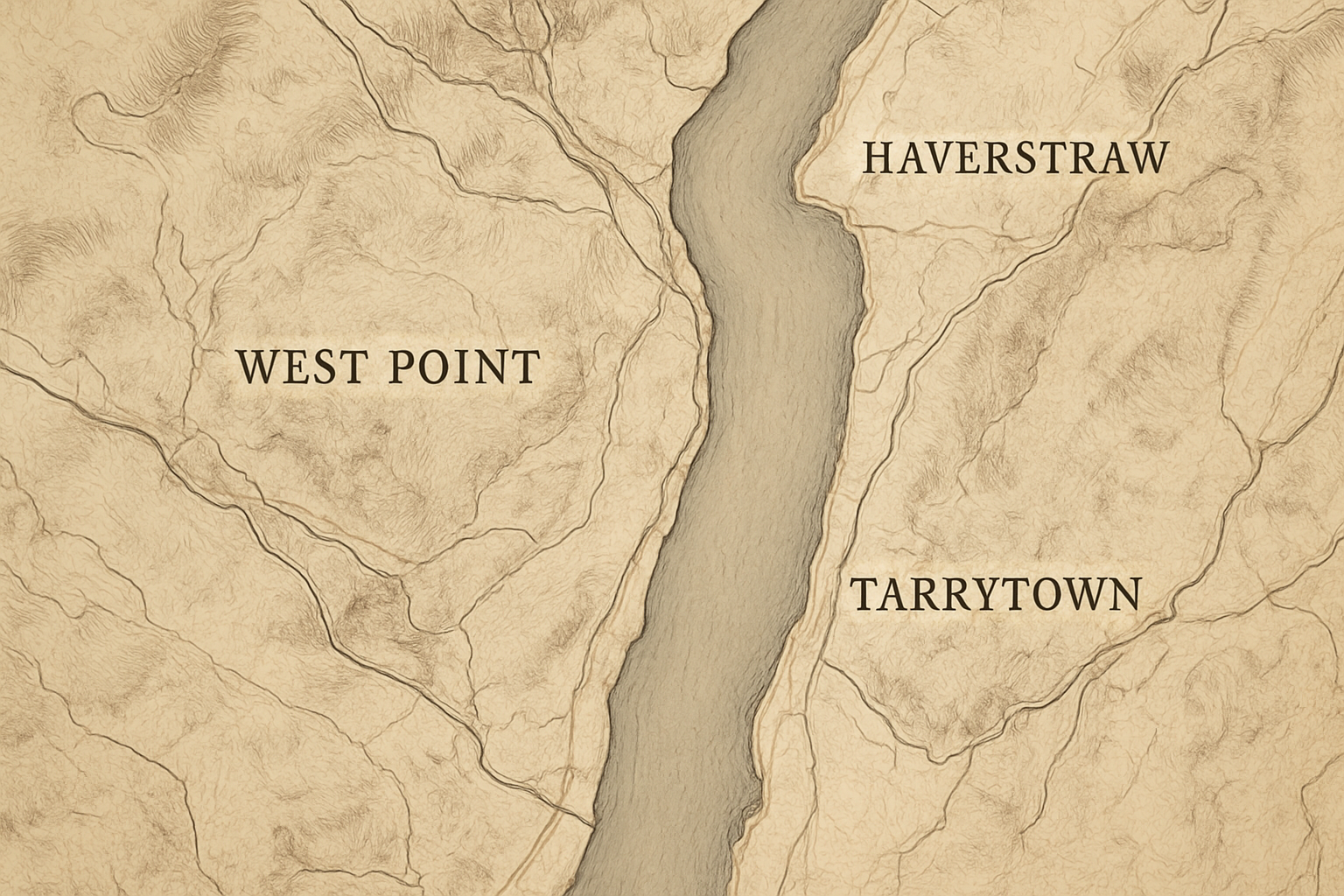
Sep 26, 2026
Benedict Arnold: How a Patriot Became a Traitor
Benedict Arnold was one of the Continental Army’s boldest commanders before he became its most notorious defector. His attempt to surrender West Point exposed how much the Revolution depended on vulnerable places, fragile institutions, and individual choices.
Read story →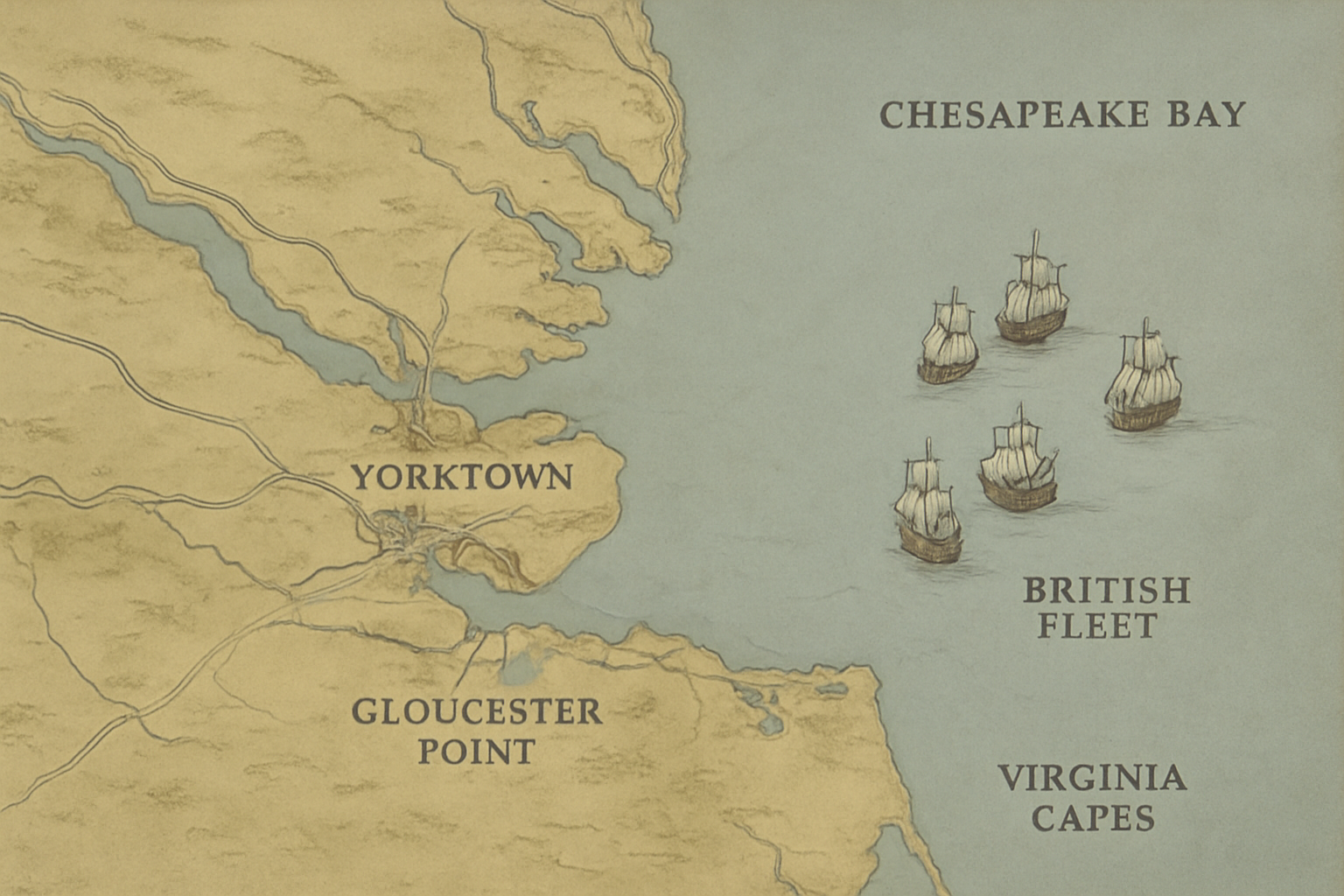
Sep 26, 2026
Yorktown: How a British Army Became Trapped
At Yorktown in 1781, Cornwallis counted on a connection to the Royal Navy. French control of the Chesapeake turned that water route into a dead end.
Read story →
Sep 26, 2026
Saratoga: The Victory That Helped Bring France into the War
Burgoyne’s surrender at Saratoga gave Benjamin Franklin the evidence he needed to secure an open French alliance, widening the Revolutionary War far beyond North America.
Read story →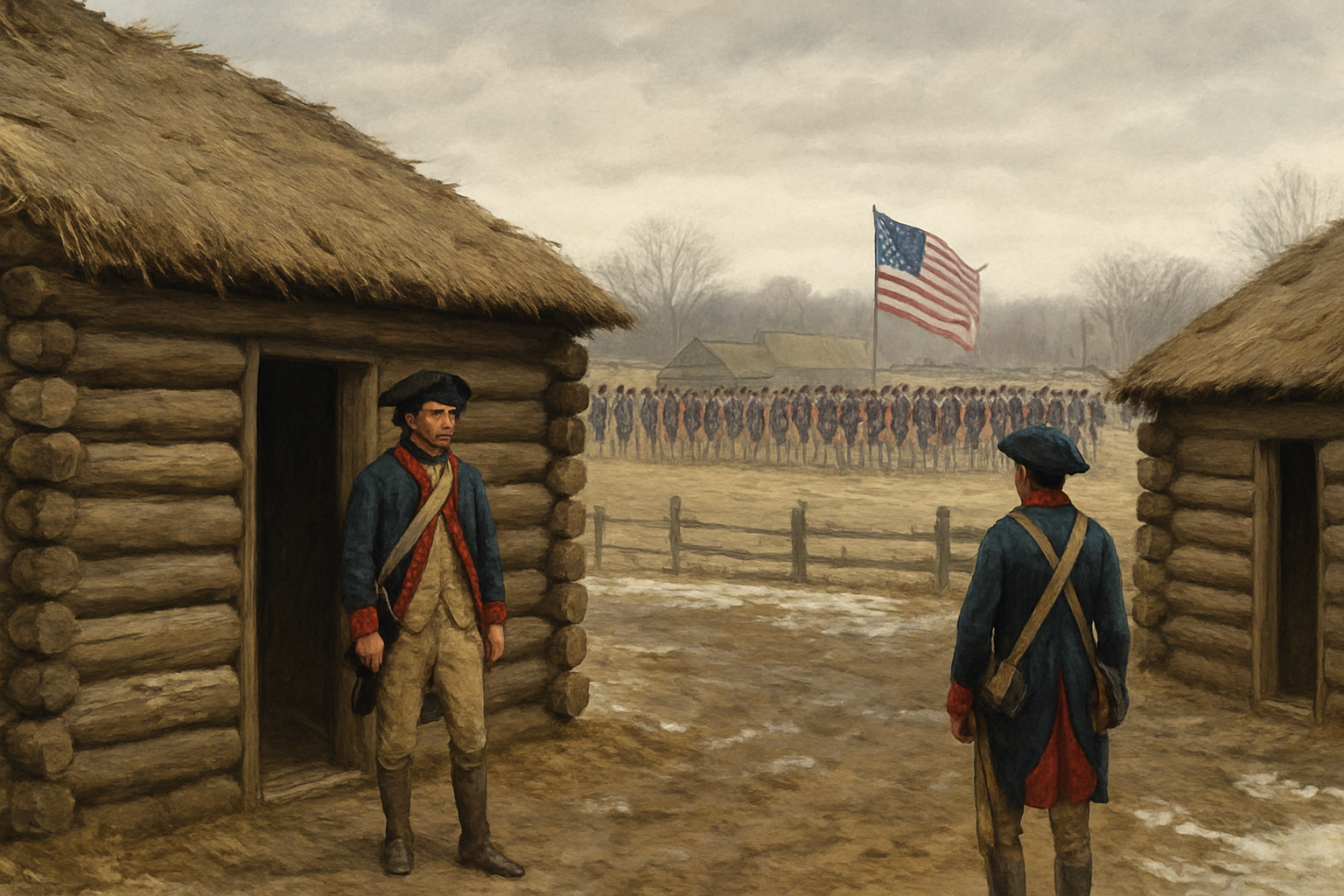
Sep 25, 2026
Valley Forge: How an Army Survived the Winter
Valley Forge was not sustained by suffering alone. As disease and shortages strained the Continental Army, new supply systems and standardized drill helped make it fit to fight again.
Read story →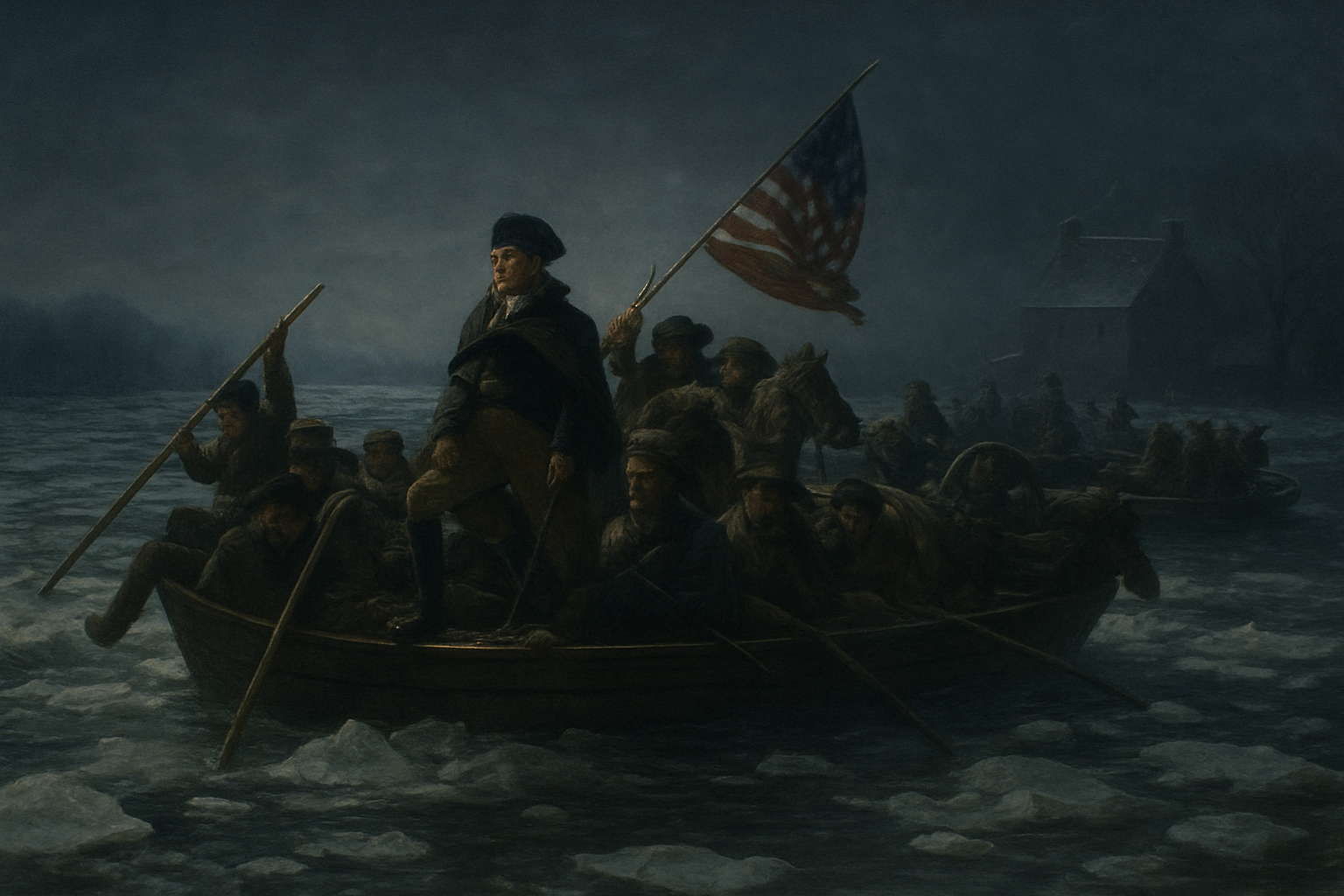
Sep 25, 2026
Washington Crosses the Delaware: A Risky Christmas Offensive
On Christmas night 1776, George Washington led about 2,400 men across the ice-filled Delaware River. The victory at Trenton gave the Continental Army a chance to survive its year-end enlistment crisis.
Read story →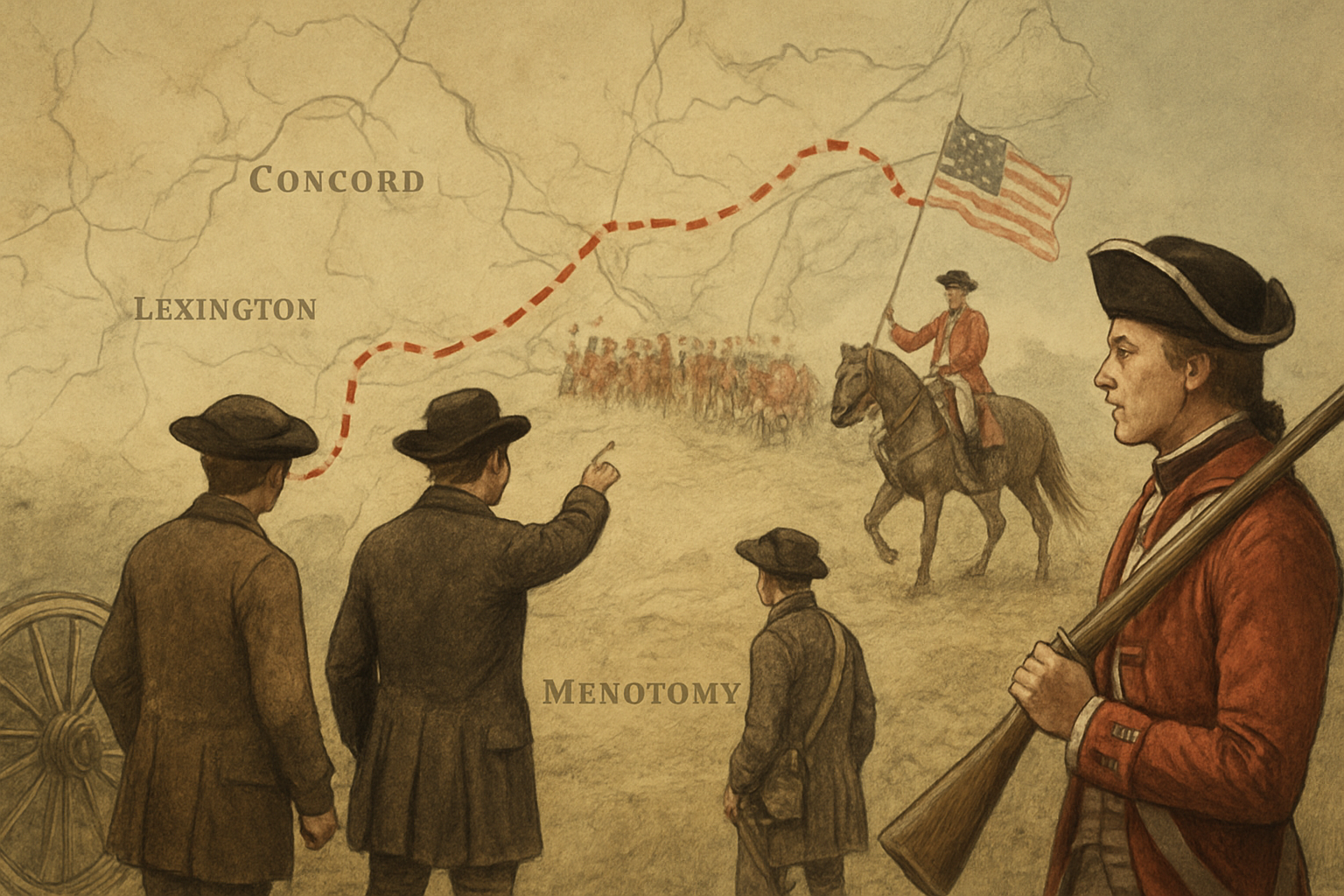
Sep 25, 2026
Lexington and Concord: How the Fighting Began
A British expedition to seize military stores at Concord set Massachusetts’ alarm network in motion. By nightfall on April 19, 1775, the retreat to Boston had become an 18-mile fight and the opening of open war.
Read story →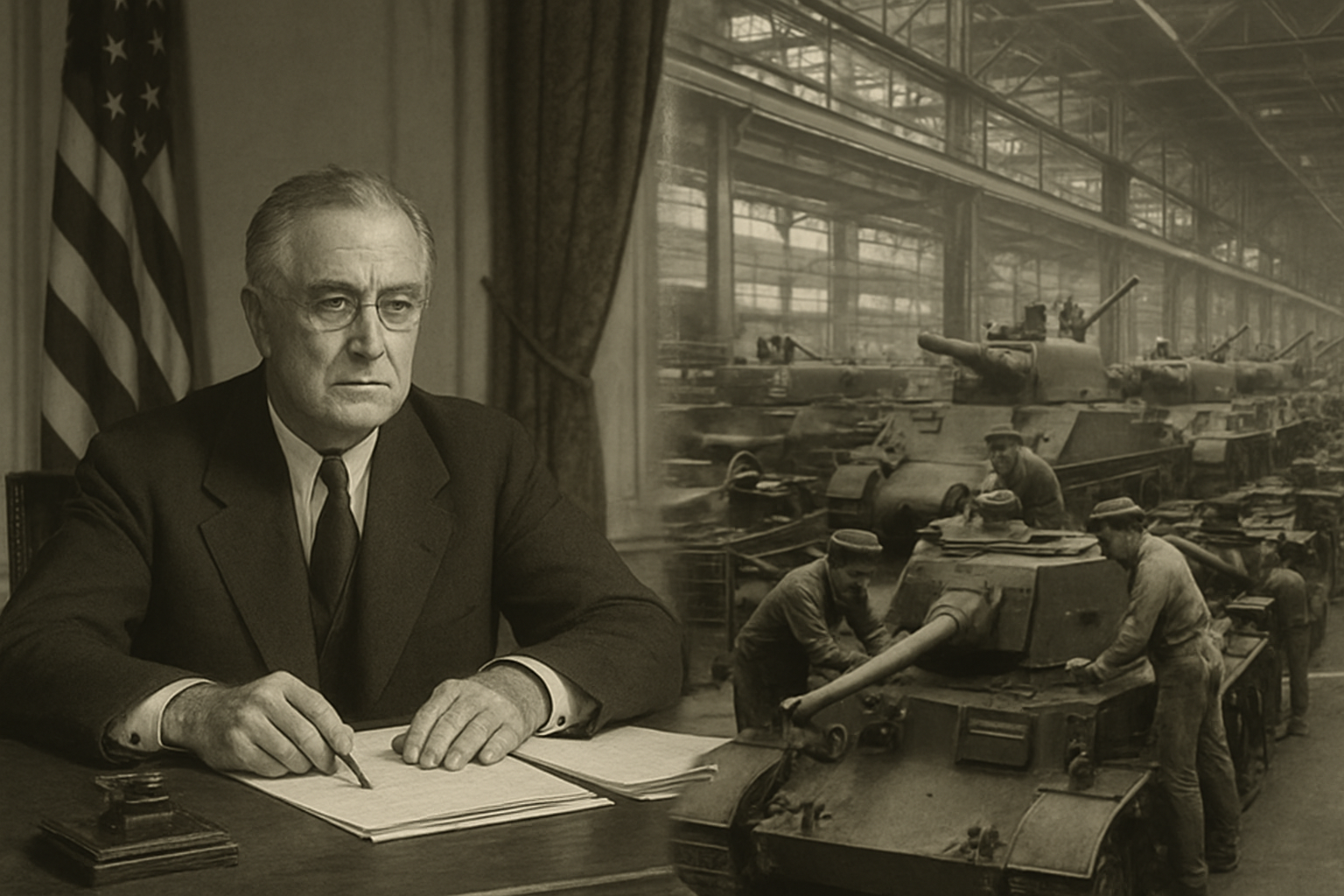
Sep 25, 2026
The Lend-Lease Program: How America Armed the Allies Before Entering World War II
Lend-Lease began as an answer to Britain’s cash crisis and became the system that moved American food, fuel, trucks, and weapons to Allied armies. It also marked a lasting break with the neutrality policies of the 1930s.
Read story →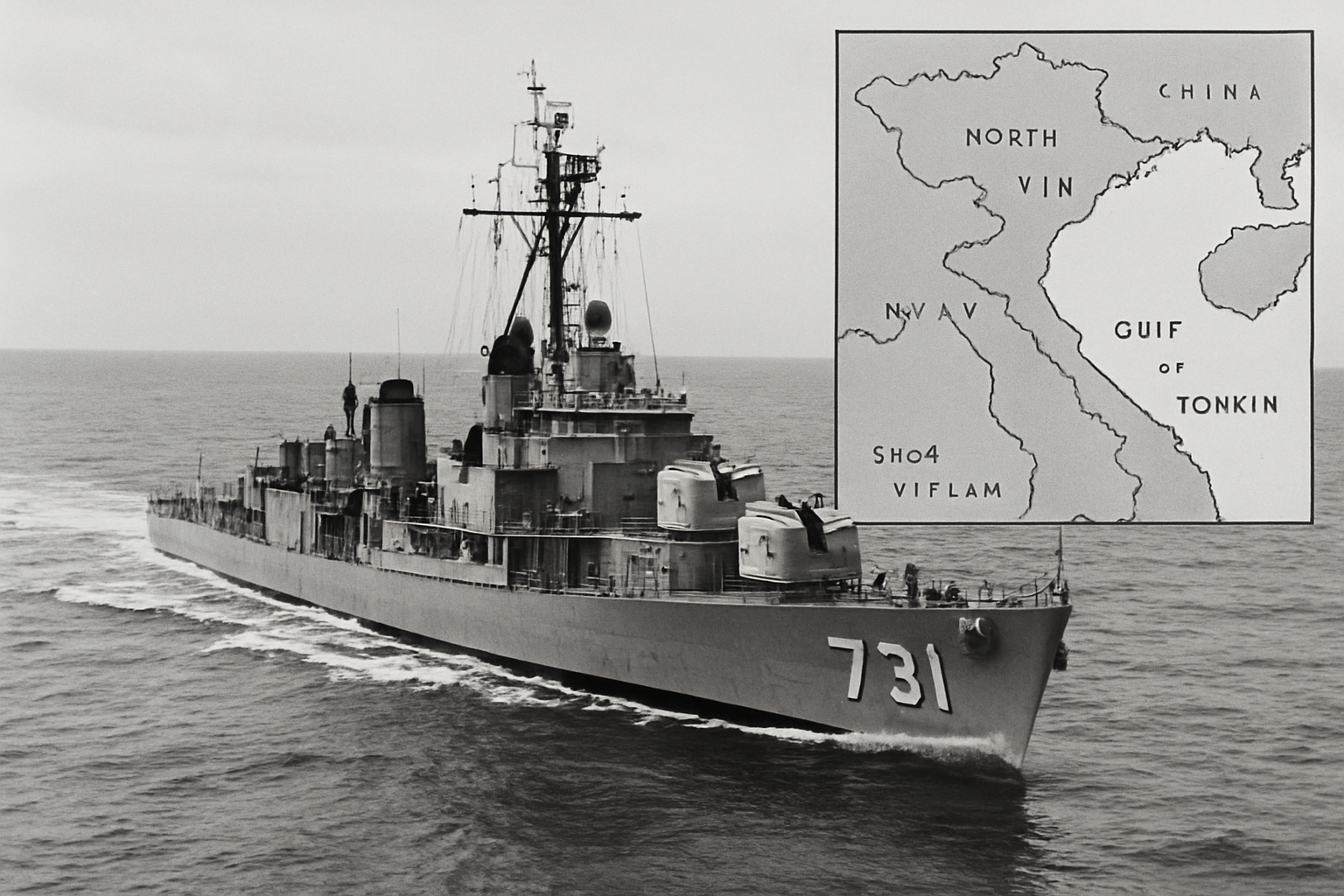
Sep 25, 2026
The Gulf of Tonkin Resolution and the Escalation of Vietnam
A real naval clash on August 2, 1964, was followed by a reported attack that later proved illusory. Congress then passed the Gulf of Tonkin Resolution, giving President Lyndon B. Johnson broad authority to expand U.S. military action in Vietnam.
Read story →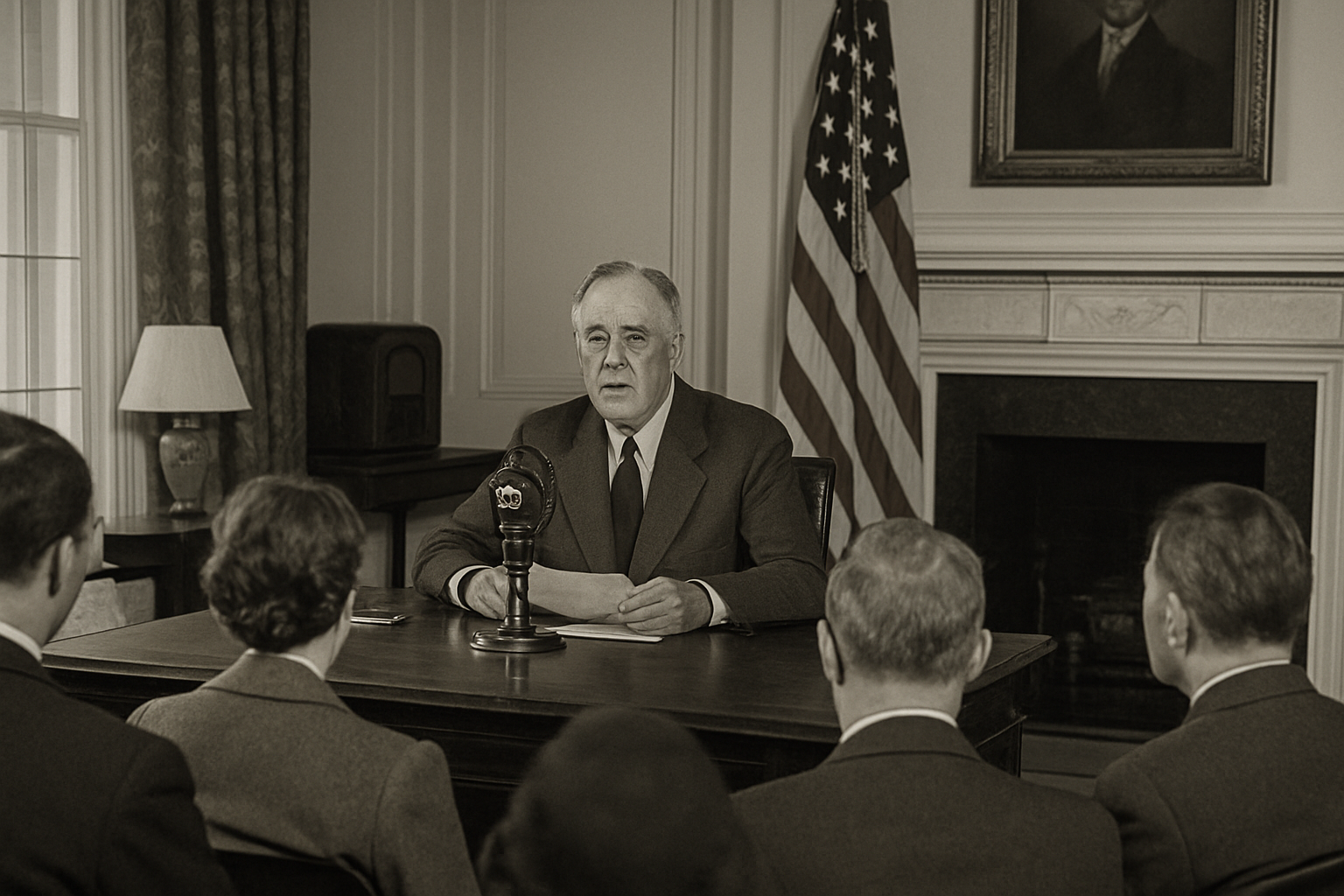
Sep 25, 2026
Franklin D. Roosevelt and America's Road Into World War II
Franklin D. Roosevelt spent six years navigating congressional limits, public resistance, and crises abroad as the United States moved from legal neutrality toward armed preparedness and aid for the Allies.
Read story →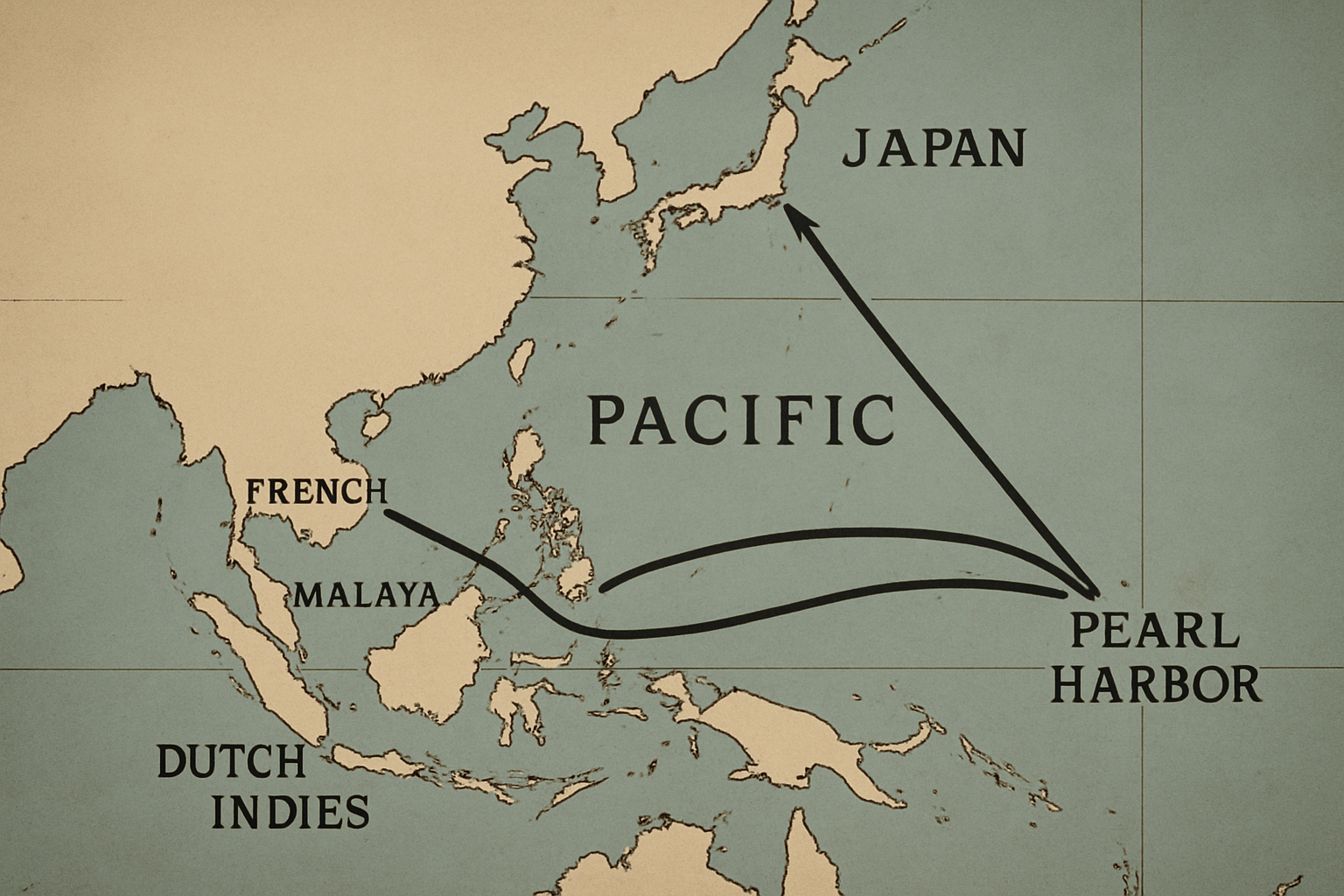
Sep 25, 2026
Why Did Japan Attack Pearl Harbor?
Japan attacked Pearl Harbor to protect a southward drive for oil after U.S. economic pressure threatened its fuel supply. The strike was meant to disable the Pacific Fleet long enough for Japan to seize resources in Southeast Asia.
Read story →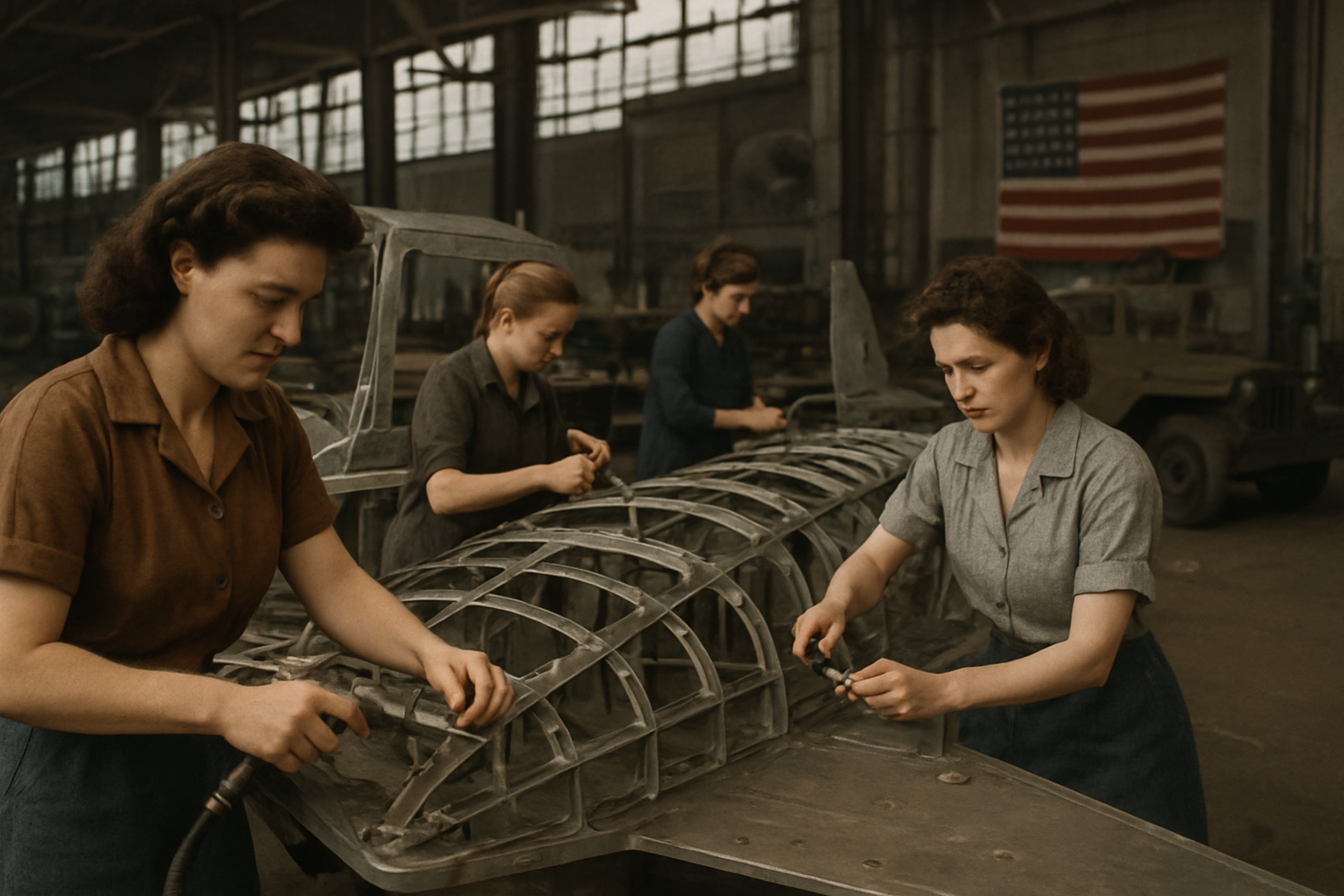
Sep 24, 2026
How World War II Changed Life for American Women
World War II brought millions of American women into paid work and military service. The gains were uneven and often temporary, but the war changed the country’s assumptions about who could build, serve, and earn a wage.
Read story →
Sep 24, 2026
Ich bin ein Berliner: Kennedy in Cold War Berlin
JFK’s famous German phrase was a public pledge of solidarity with West Berlin—not a pastry mistake. Its timing also revealed the Kennedy administration’s challenge: showing resolve while pursuing a nuclear agreement with Moscow.
Read story →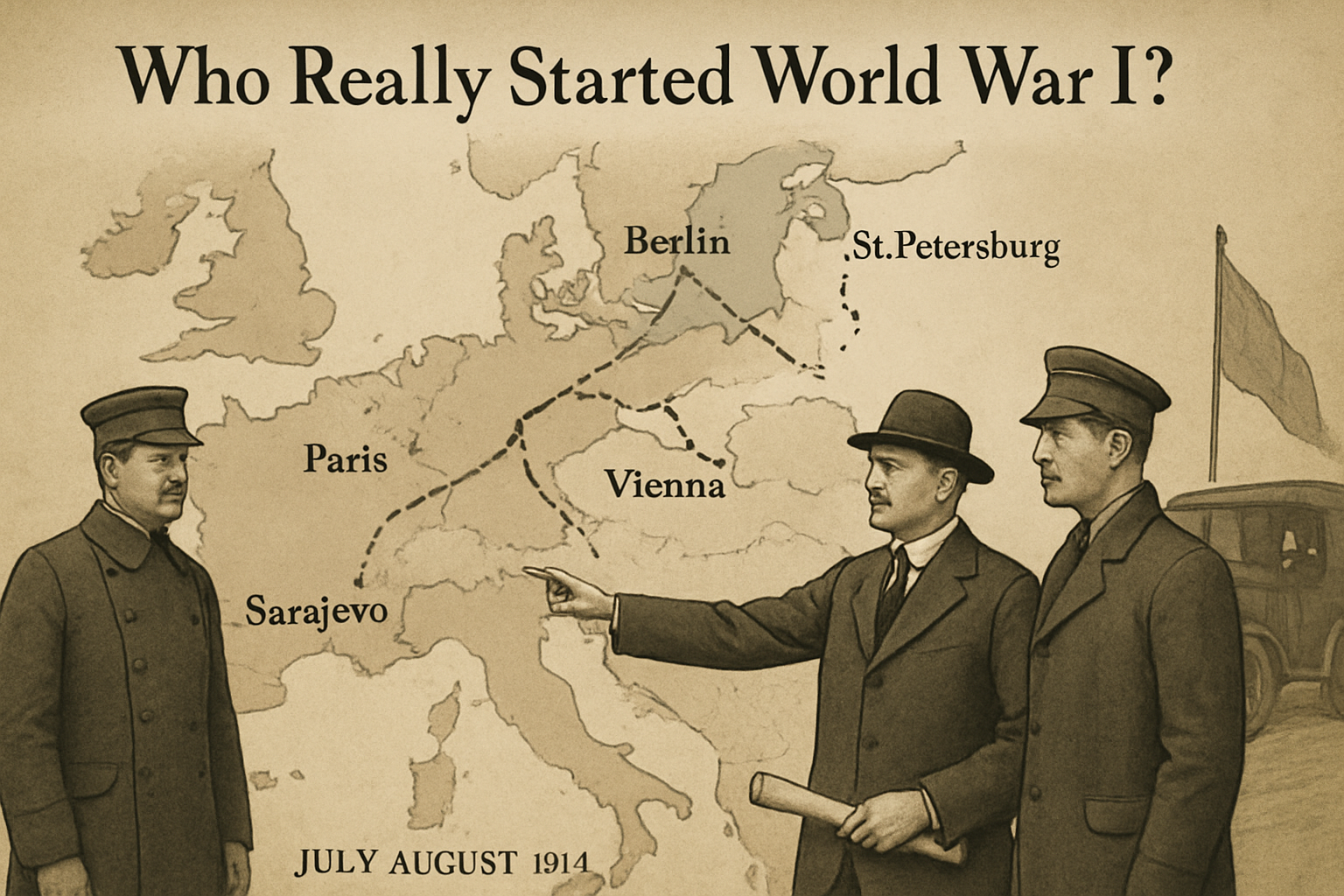
Sep 24, 2026
Who Really Started World War I?
World War I did not begin because one assassin fired two shots. It grew from decisions made during the July Crisis of 1914, when Europe’s leaders repeatedly chose escalation over restraint.
Read story →
Sep 24, 2026
Dwight Eisenhower and the Warning About the Military-Industrial Complex
In his final televised address, Dwight Eisenhower defended the need for military strength while warning that a permanent defense system could accumulate influence beyond democratic control.
Read story →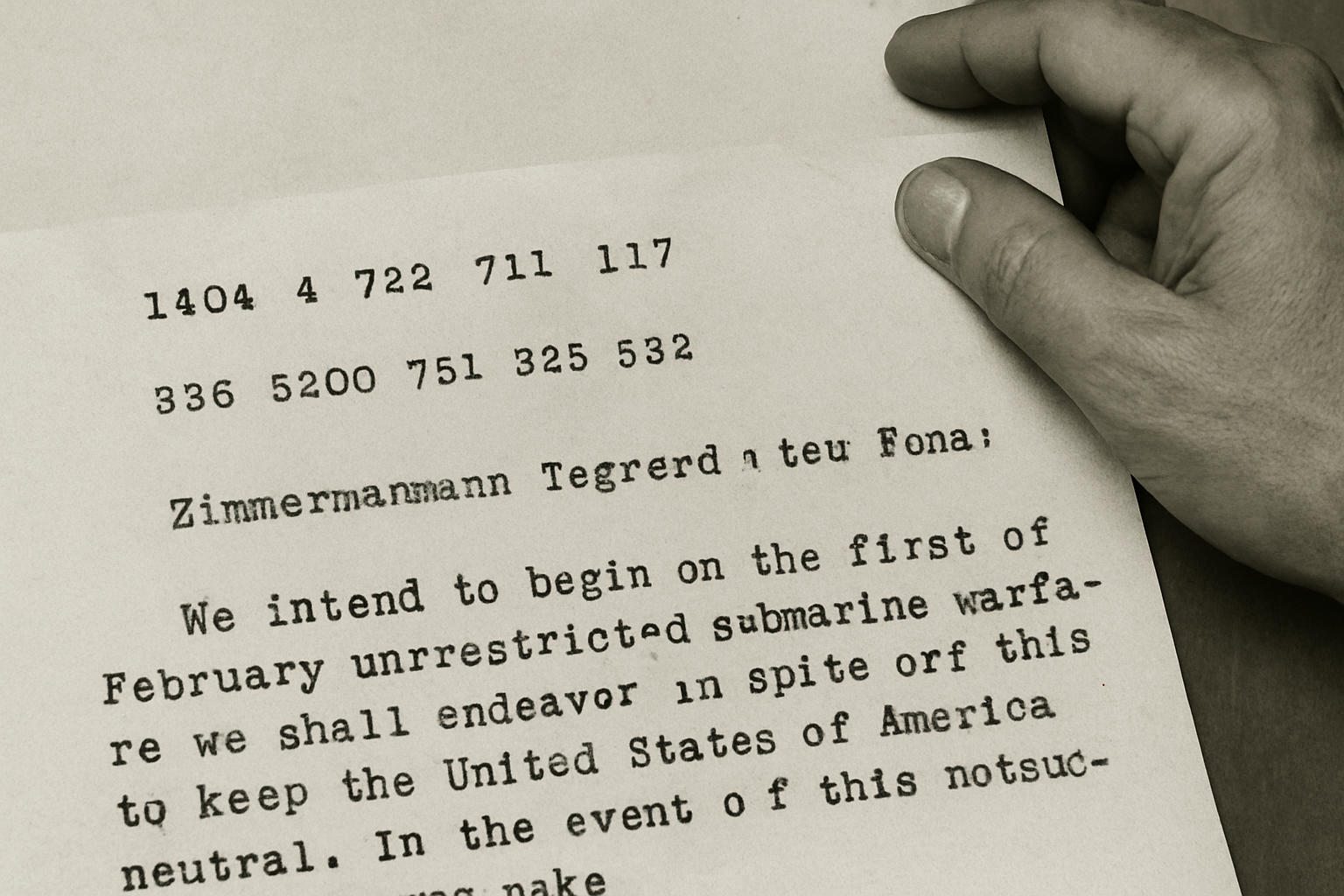
Sep 24, 2026
The Zimmermann Telegram: The Message That Helped Push America Into World War I
Germany’s offer of Texas, New Mexico, and Arizona to Mexico did not create an invasion threat. But when the Zimmermann Telegram became public in 1917, it made a distant war feel uncomfortably close.
Read story →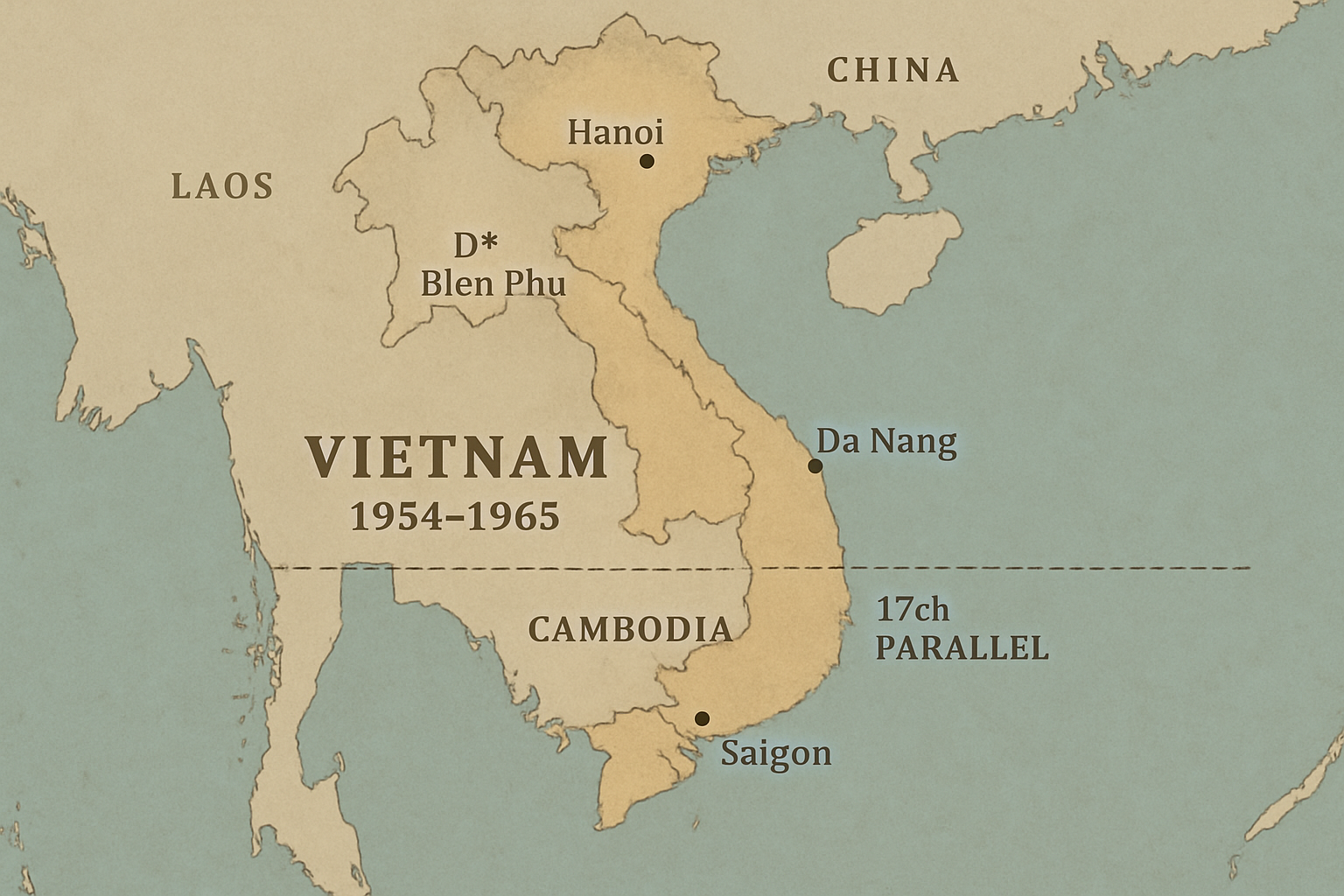
Sep 23, 2026
Why Did the United States Enter the Vietnam War?
The United States did not enter the Vietnam War in a single decision. Across four presidencies, aid, alliances, advisers, and war powers turned a Cold War commitment into direct combat.
Read story →
Sep 23, 2026
Ronald Reagan and the Final Years of the Cold War
Ronald Reagan entered office promising to challenge Soviet power. By the end of his presidency, he and Mikhail Gorbachev had negotiated the elimination of an entire class of nuclear weapons and changed the working relationship between Washington and Moscow.
Read story →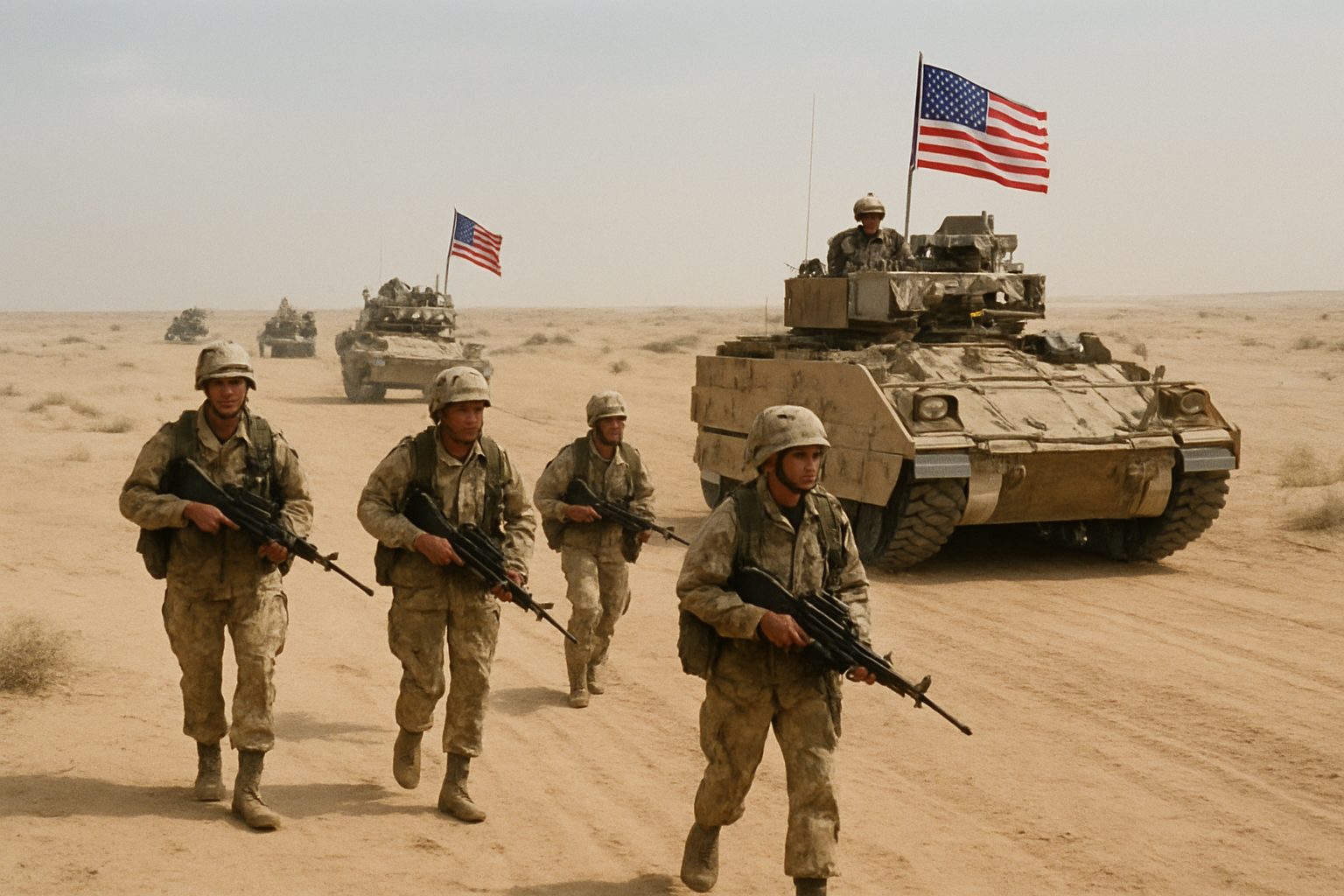
Sep 23, 2026
Operation Desert Storm: Why the United States Went to War With Iraq in 1991
In 1991, a U.S.-led coalition expelled Iraqi forces from Kuwait in a ground campaign lasting roughly 100 hours. Its decision to stop short of Baghdad defined both the war’s success and its unresolved aftermath.
Read story →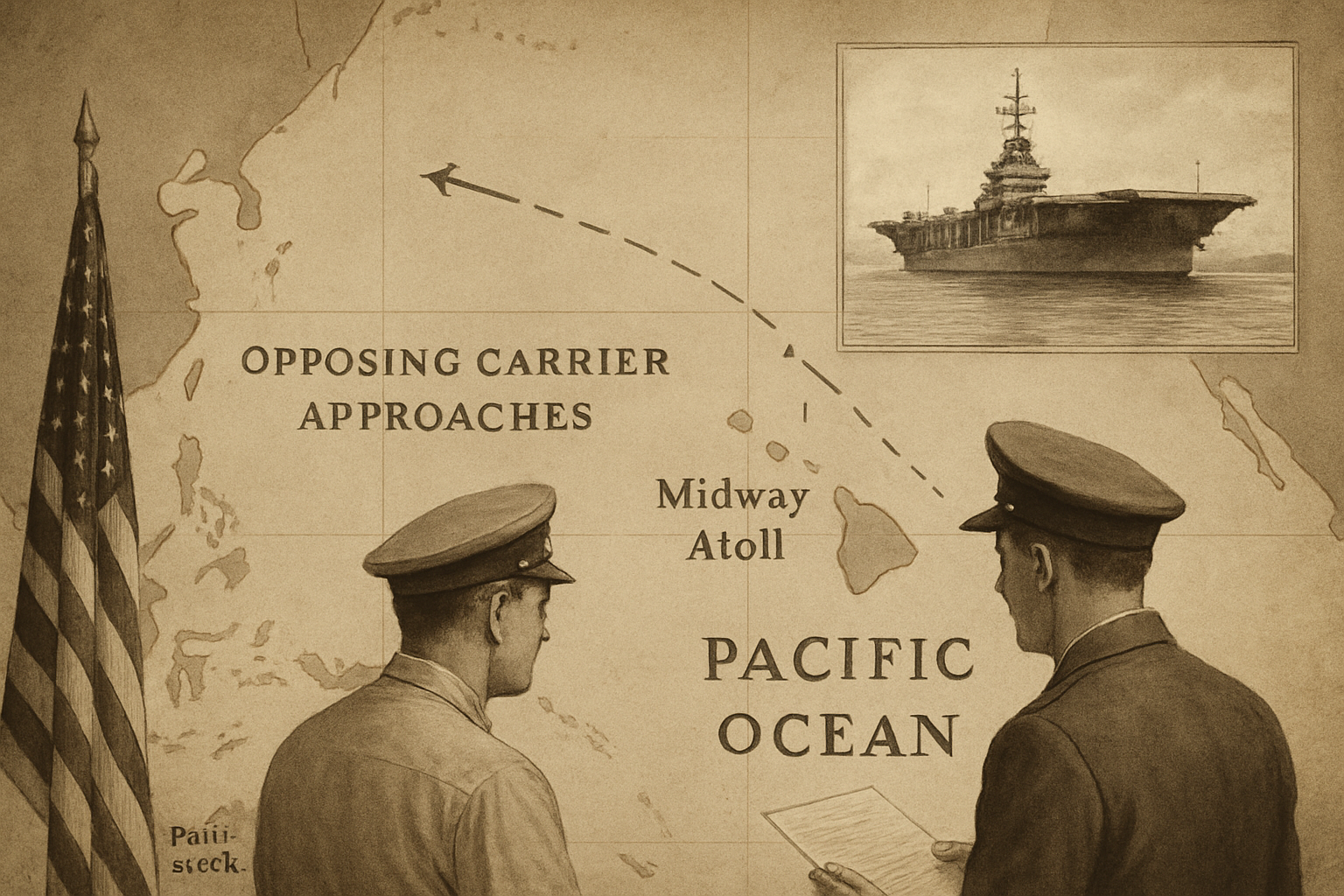
Sep 23, 2026
The Battle of Midway: How America Turned the Pacific War
American codebreakers identified Midway as Japan’s target, Pearl Harbor returned USS Yorktown to service, and U.S. dive-bombers found the opening that destroyed four Japanese carriers.
Read story →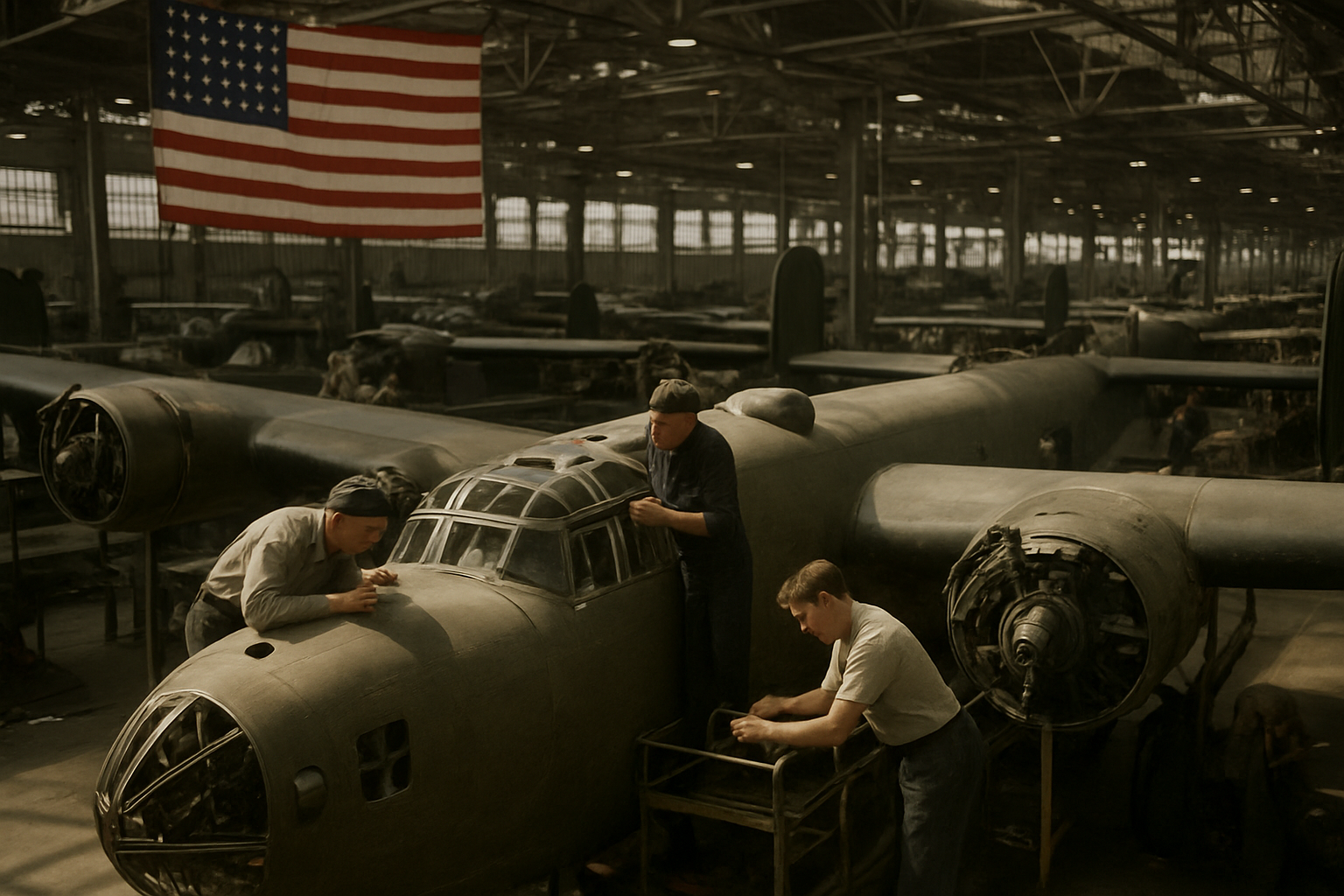
Sep 23, 2026
How America's Arsenal of Democracy Helped Win World War II
In 1942, American car factories stopped making civilian automobiles and began supplying a global war. The conversion helped make the United States the Arsenal of Democracy.
Read story →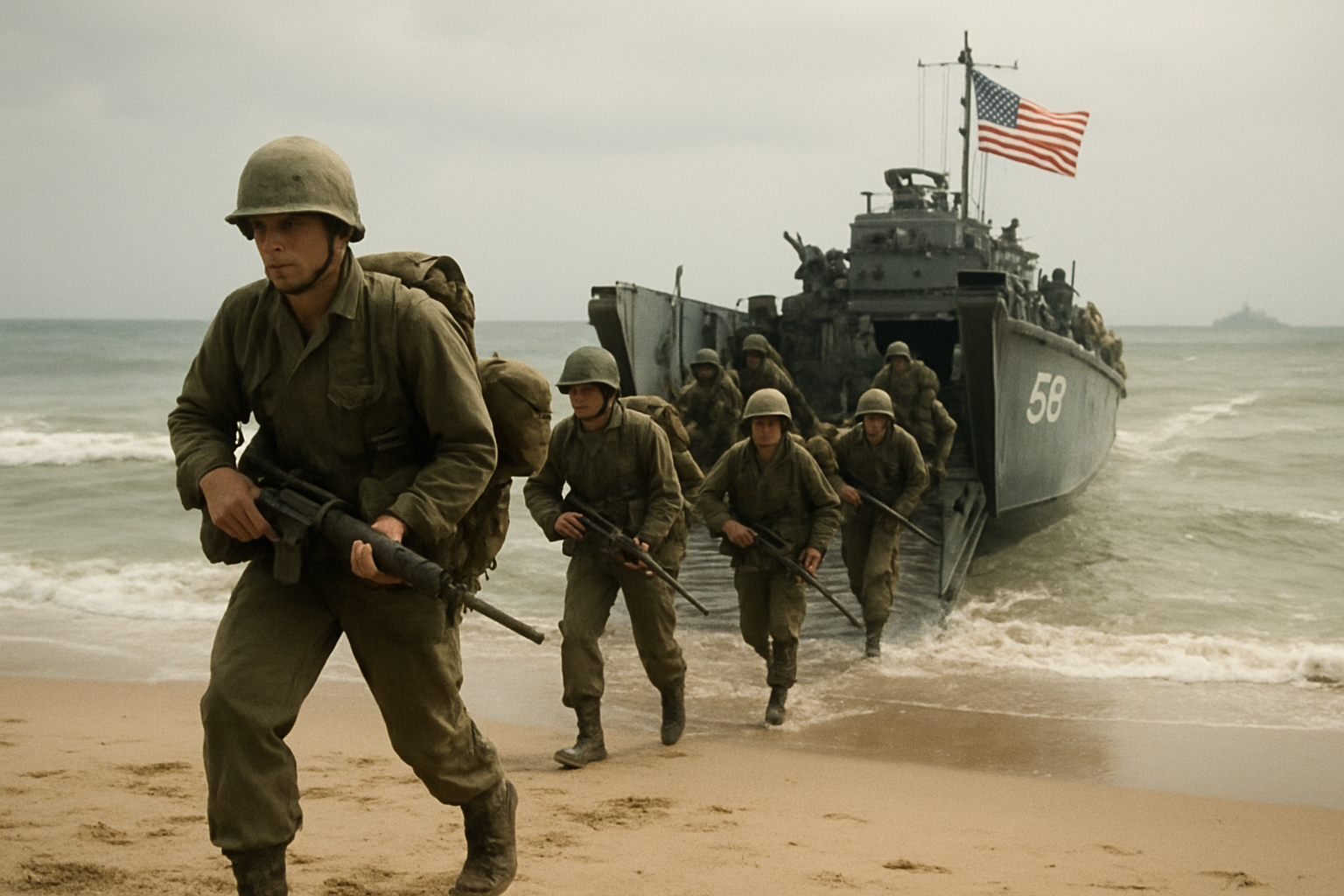
Sep 23, 2026
Lyndon Johnson and America's Escalation in Vietnam
Between the Gulf of Tonkin vote and the troop decisions of July 1965, Lyndon Johnson turned a limited U.S. commitment into an expanding ground war while privately expressing grave doubts about where it would lead.
Read story →
Sep 22, 2026
NATO: Why the United States Joined a Permanent Military Alliance
The North Atlantic Treaty marked a major break with American diplomatic tradition. Its creation reflected a hard conclusion in Washington: rebuilding Western Europe would not be enough unless the United States helped defend it.
Read story →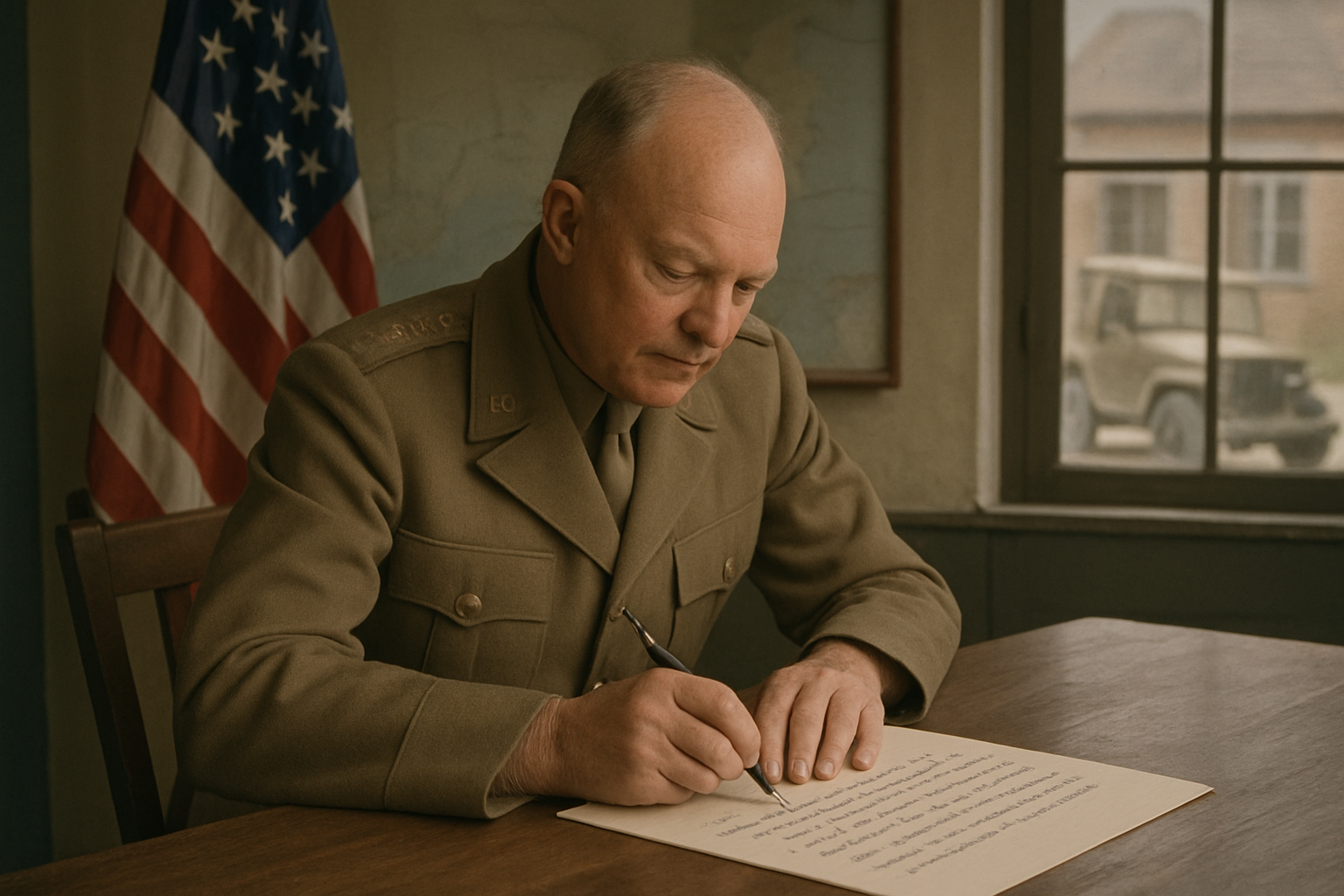
Sep 22, 2026
D-Day: The Invasion That Changed World War II
D-Day was a coalition operation shaped by weather, deception, naval power, and the decisions of troops who had to improvise when the Normandy invasion met German defenses.
Read story →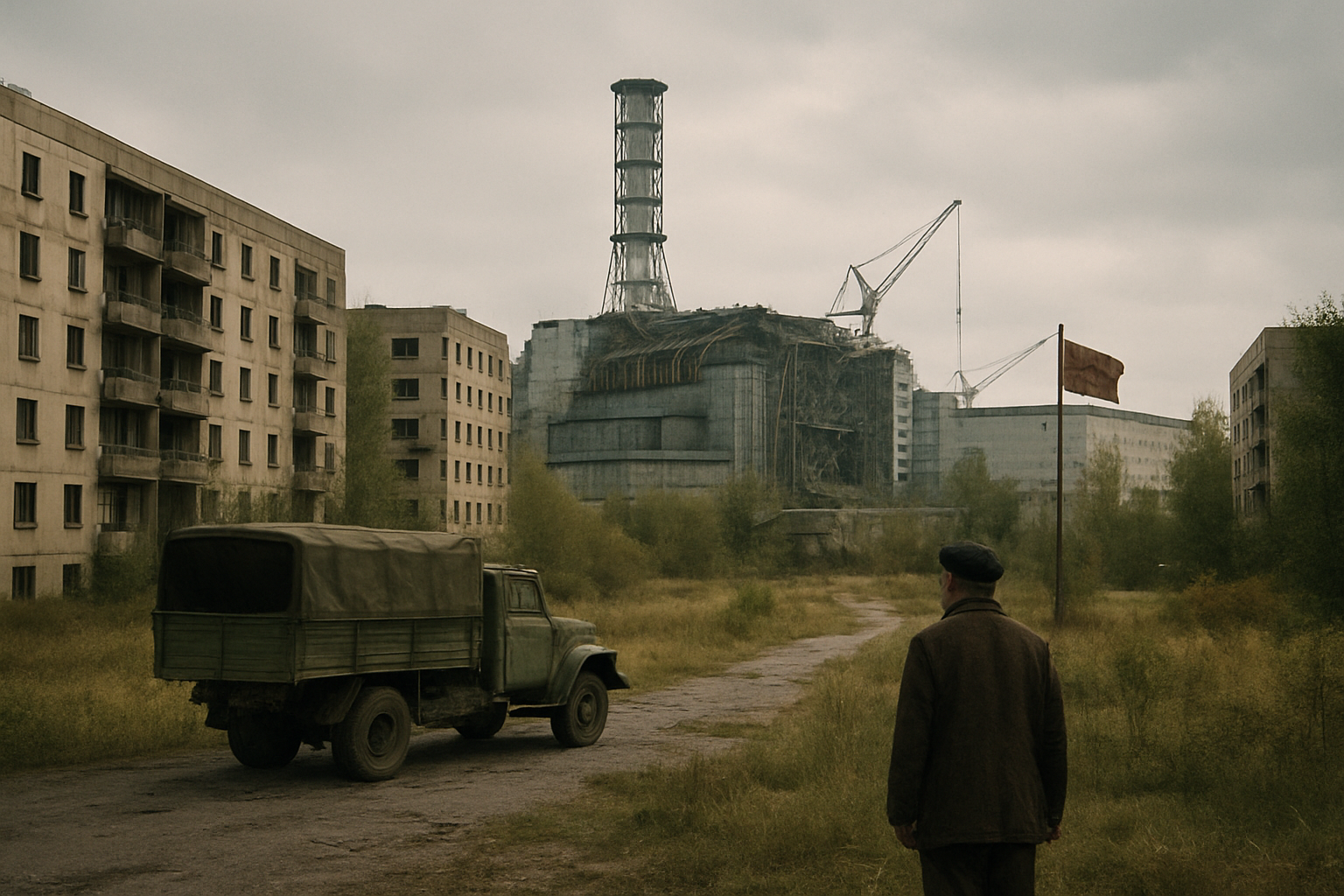
Sep 22, 2026
Chernobyl: The Nuclear Disaster That Shocked the Cold War World
Chernobyl’s radioactive fallout crossed borders in 1986, exposing the limits of Soviet secrecy and turning a reactor accident into an international political crisis.
Read story →
Sep 22, 2026
What Finally Brought America Into World War II?
Pearl Harbor brought America into war with Japan, but it did not automatically mean war with Germany. Hitler’s declaration four days later turned U.S. involvement into a two-ocean conflict.
Read story →
Sep 22, 2026
How GPS Went From Military Technology to Everyday Life
The history of GPS is a story of military needs, civilian aviation policy, full deployment, and the 2000 decision that improved public accuracy. Together, those milestones turned a defense program into everyday infrastructure.
Read story →
Sep 22, 2026
The Korean War and America's Cold War Strategy
The Korean War reshaped U.S. foreign policy by expanding containment, strengthening alliances, increasing defense spending, and establishing a lasting American role in Asia.
Read story →
Sep 22, 2026
Why Did the Korean War Begin?
Korea’s division began as a temporary arrangement after Japan’s defeat. Five years later, Kim Il Sung’s drive for reunification, Soviet support, and dangerous assumptions led to war.
Read story →
Sep 21, 2026
The Cuban Missile Crisis: 13 Days Near Nuclear War
The Cuban Missile Crisis was more than a thirteen-day showdown between Kennedy and Khrushchev. It grew from Cuba’s fear of invasion, ended through reciprocal concessions, and exposed how easily military actions could have outrun diplomacy.
Read story →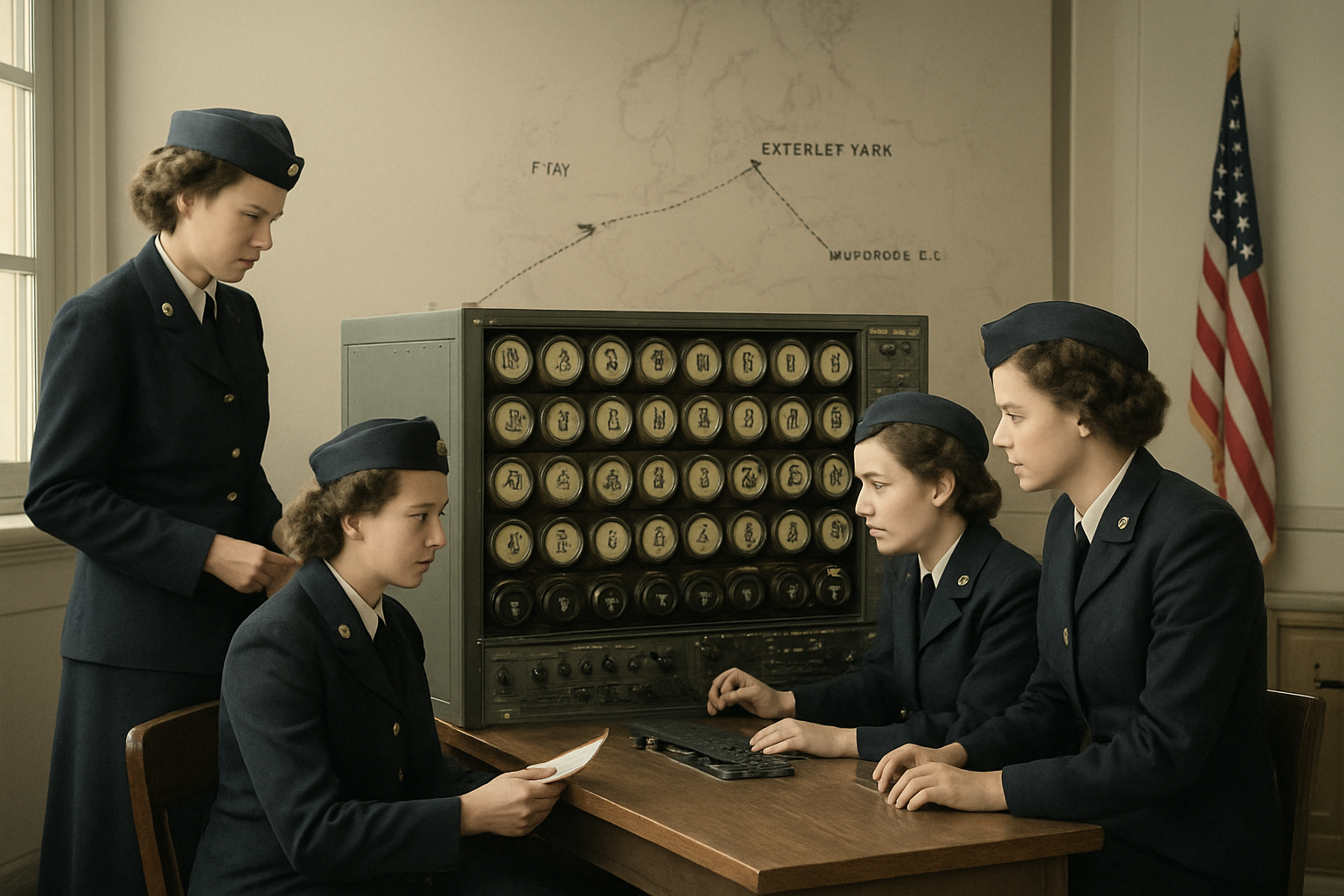
Sep 21, 2026
Alan Turing, Codebreaking, and the Machines That Helped Win World War II
The Allied attack on German naval Enigma was a multinational effort, linking Polish cryptanalysts, Bletchley Park, American engineers, Navy WAVES, and the Battle of the Atlantic.
Read story →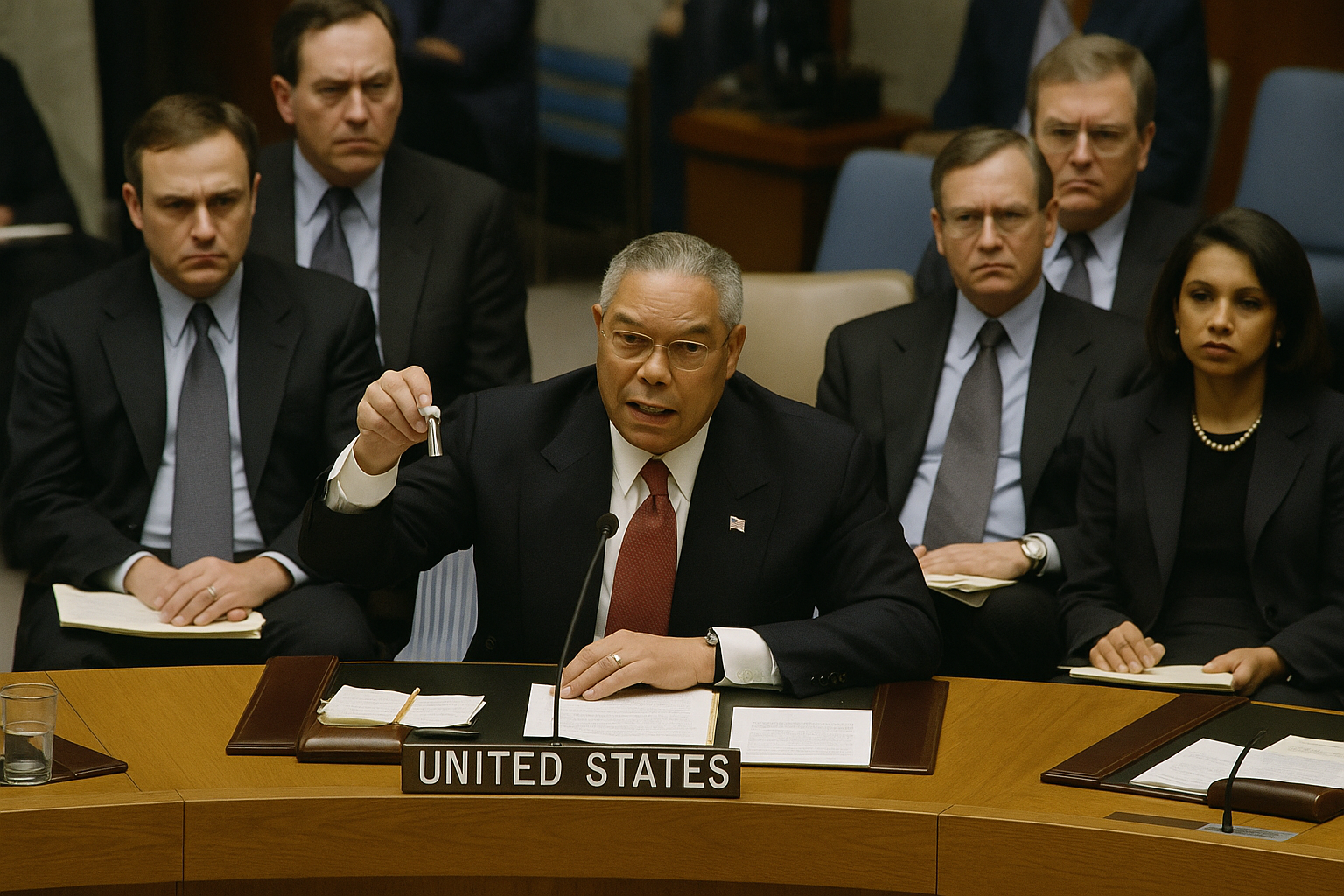
Sep 20, 2026
Why Did the United States Invade Iraq in 2003?
Why did the U.S. invade Iraq in 2003? The answer involves post-9/11 fears, weapons claims, congressional authorization, UN diplomacy, and flawed intelligence.
Read story →
Sep 20, 2026
Why America Entered World War I in 1917
The United States did not enter World War I because of one attack or one telegram. Germany’s submarine campaign, attacks on American ships, and the Zimmermann Telegram pushed Wilson and Congress to abandon neutrality in 1917.
Read story →
Sep 19, 2026
Who Started World War II?
Nazi Germany started the European war by invading Poland in 1939. The wider story also includes the Soviet partition of Poland and Japan’s earlier war in China.
Read story →
Sep 19, 2026
How Franz Ferdinand’s Assassination Led to the July Crisis and World War I
The assassination of Archduke Franz Ferdinand created the crisis that became World War I—but the decisive story is what European governments chose to do during the July Crisis.
Read story →